
Cheap Eats and Charred Edges: The Common Man’s Guide to Not Starving

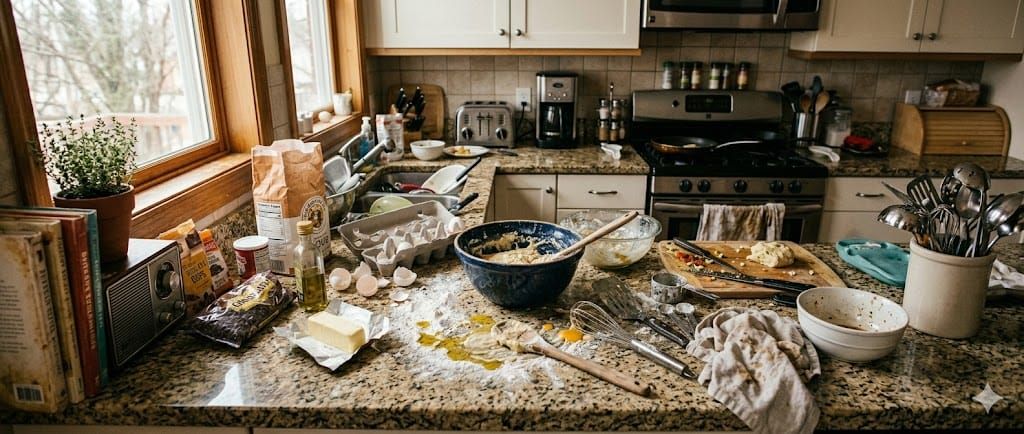
The kitchen used to be a place where I went to perform high-stakes chemical experiments that usually ended in a smoke alarm serenade and a very expensive pizza delivery. For years, the culinary world tried to convince me that if I wasn’t using a sous-vide machine or foaming my own parsley, I was basically eating like a caveman. But lately, there has been a shift. It smells less like truffle oil and more like something we can actually afford. Cooking is finally leaning toward a disorganized simplicity that is easy on the wallet and requires zero knowledge of how to properly emulsify a goat cheese foam.
The first thing you notice about this new wave of cooking is the death of the ingredient list that looks like a pharmacy inventory. If a recipe requires more than seven things and three of them can only be found in a specialty market located in the back of a freezer truck, we are not doing it. The one-pot meal is the common man’s greatest victory since the invention of the remote control because nobody wants to do the dishes. You throw some protein and a grain and whatever vegetable is screaming for help in the crisper drawer into a single vessel, apply heat, and hope for the best. Usually, they eventually decide to get along.
Then there are beans. For a long time, beans were just a side dish you ate while camping or something you hid in a chili to bulk it up. But a can of chickpeas costs about the same as a single high-end organic apple. You smash them. You roast them until they are crunchy enough to break a tooth. You simmer them with garlic and onion until they turn into a creamy sludge. It’s cheap food that makes you feel like a rustic Italian grandmother even if you’re just a guy in Nashville wearing sweatpants and wondering where you last saw the TV remote.
Sheet pan dinners have also taken over. You chop things up, spread them out, and let the oven do the heavy lifting. (There is an inherent honesty in roasting a chicken thigh next to a potato.) The trend here is toward caramelization, which is just a fancy word for letting things get a little bit burnt because that’s where the flavor lives. We’ve stopped worrying about uniform dice and started embracing the charred-edge aesthetic. It rewards laziness, which is great for anyone who considers standing in front of a stove to be cardio.
Life is too short to spend twenty minutes peeling tiny white skins off a bulb of garlic only to have our fingers smell like a vampire deterrent for three days. Using a jar of pre-minced garlic used to be a sin. Now, it's just common sense. The same goes for frozen vegetables. The culinary elite used to sneer at anything that came out of a freezer bag, but a bag of frozen peas is a miracle. They are frozen at the peak of freshness and they don’t rot in your fridge while you’re at work.
And look at the ramen. The glow-up of the ten-cent ramen pack is the most relatable move of the decade. We are no longer just boiling the water and dropping in the salt-lick flavor packet. You treat the noodles as a canvas. You drop in a soft-boiled egg and a handful of spinach and maybe a splash of soy sauce and suddenly you’re not a broke pathetic loser. It’s fast. It satisfies that primal urge for salt and starch without requiring a line of credit.
From what I hear, the air fryer is king. The men I read about online who own one speak about it like they’re cult members. It is a small, loud box that makes things crunchy using nothing but hot air. It lets you eat fries like you’re at a carnival. You no longer need a vat of boiling oil to get a decent potato wedge. You just toss them in the basket, turn a dial, and wait for the beep.
People are just making bowls now. They call it "fridge-clearing aesthetics." You take a base of rice, pile on whatever leftovers you have, drizzle a sauce over the top to hide all your mistakes, and call it a Buddha Bowl. It sounds healthy, but we all know it’s just a way to eat the leftover broccoli before it starts to wilt. It’s easy and it saves you a trip to McDonalds.
All this has stripped away the pretension. Cooking has become about feeding yourself something that doesn't come out of a drive-thru window. A well-seasoned cast iron skillet is worth more than a kitchen full of gadgets you don’t know how to plug in. You don't need a degree to understand that salt and fat and heat are your friends. If the dinner is edible and doesn't cost fifty dollars, it’s a success. Simple food is what makes people happy. We spend more time actually eating and less time making it.
Tim
Tim Lowe is a writer, book expert, retired sailor, retail worker, and renaissance man.
He is currently traveling the country and working on his forthcoming book.