Dead But Dreaming

Of Electric Sheep
The literary landscape is currently crowded with technocratic ghost stories, the sort of sanitized, high-gloss fiction that treats the digital revolution like a seamless upgrade to the human condition. Most of it is beige. Most of it forgets that beneath the motherboard, there is still te wet, messy, and fundamentally irrational business of being alive. Dead but Dreaming of Electric Sheep doesn’t have that problem. It is a jagged, neon-soaked pulse of a novel that remembers exactly what it feels like to be trapped in a system that doesn’t value you, while simultaneously grappling with the terrifying prospect of what happens when the system decides to occupy your brain.
We meet Julia Flang in the kind of rut that should be familiar to anyone who has stared at a fluorescent office light at 3:00 a.m. and wondered where the years went. She’s in her twenties, she’s a former semi-pro gamer whose reflexes are currently being wasted on two dead-end jobs, and she is sharing a roof with her retired uncle. She is, by every metric of the modern hustle, a ghost in her own life. Then comes the call from her estranged mother—a woman who serves as a CFO for a tech titan, a position that, in this narrative ecosystem, is essentially a high-priestess role in a religion of cold efficiency.

The offer is simple, transactional, and grotesque: chaperone a man in a vegetative state from the West Coast to the East. The kicker? The man is a vessel for proprietary AI. The job is technically an escort mission, though the terminology feels lifted from the very games Julia has moved on from. Her reaction is the most honest thing in the book: “You want me to remote control this dead dude across the country.”
It’s a premise that functions like a masterclass in tension. As Julia navigates the logistics of transporting a human being who is both present and absent through the claustrophobic corridors of major American airports, the reader is forced to confront the absurdity of our own reliance on screens. She uses a cell phone hacked into a controller—a tactile, clunky interface for a situation that is increasingly untethered from reality.
But the real, visceral weight of the novel happens inside the head of the man she calls “Bernie.”
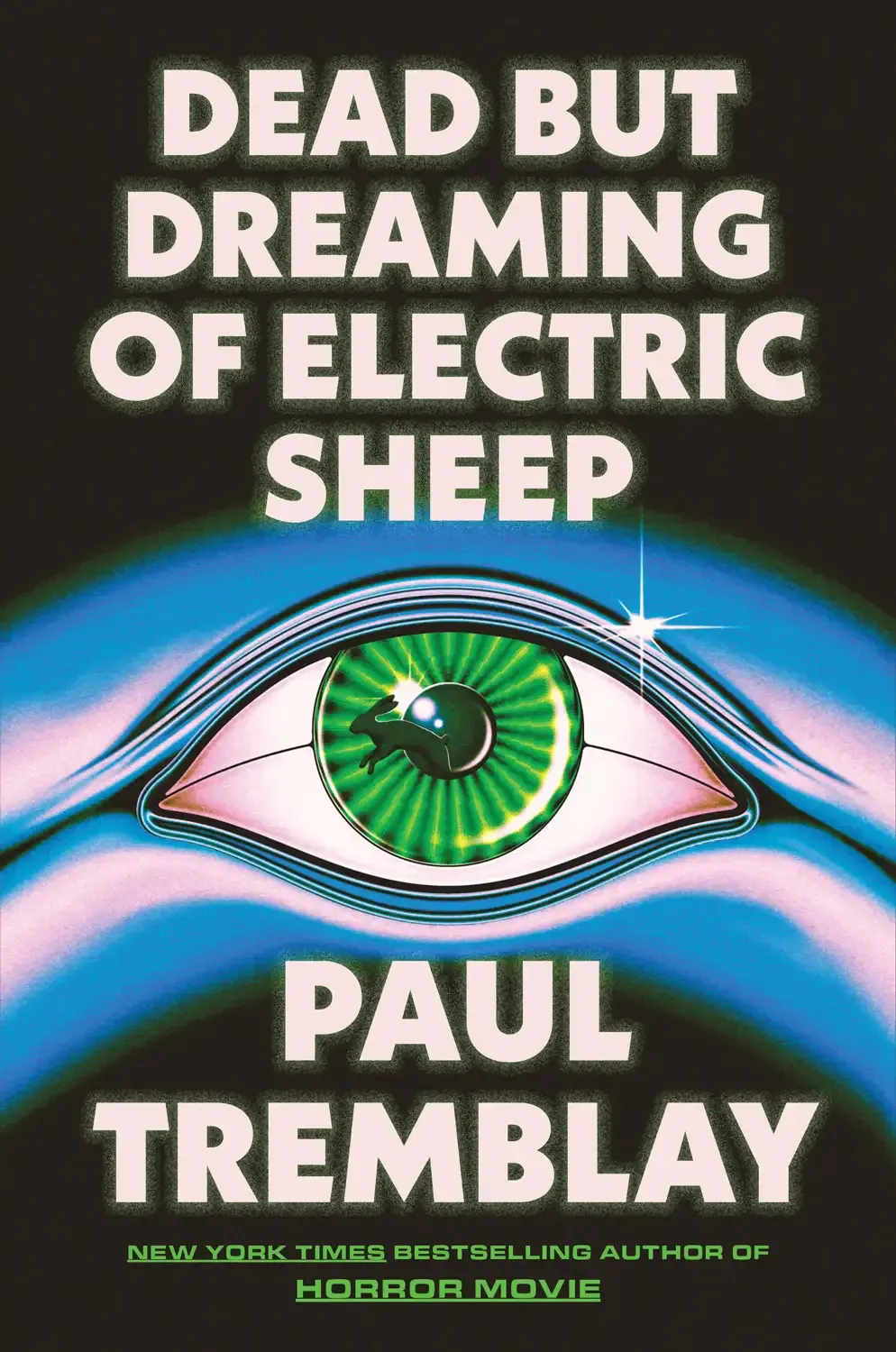
If Julia’s world is one of dull, bureaucratic grind, Bernie’s world is a Hieronymus Bosch painting rendered in corrupted code. He wakes up in a shifting, morphing hellscape where the laws of physics are suggestions and the monsters are made of fragmented memory. He is a man stripped of his own history, bearing only a rabbit tattoo—a haunting, singular anchor in a sea of fluid unreality. He knows he has a target, a person he is destined to find, but the identity of that person is locked away in the very architecture of the nightmare that holds him prisoner.
This is where the genre-bending really kicks in. The author pulls off a balancing act that few attempt: we are toggling between the mundane, panic-inducing reality of a woman pushing a wheelchair through a TSA checkpoint and the high-octane, psychological horror of a man fighting to keep his consciousness from dissolving into binary static. It’s a road trip novel, sure, but the road is a thin, fraying wire connecting two different dimensions of trauma.
There is a specific kind of American dread being tapped into here. It’s the fear that our identities—our memories, our impulses, the stories we tell ourselves—are just lines of code that can be overwritten by someone with enough venture capital and a lack of moral imagination. Julia and Bernie are both fugitives, though they are running from different masters. For Julia, it’s the indignity of a life lived in the margins; for Bernie, it’s the literal erasure of his soul. As their paths converge, the book stops being a story about a transport job and transforms into something far more dangerous: a story about two people realizing that the only way to survive is to stop playing the game and start burning down the server.
Dead but Dreaming of Electric Sheep is not a comfortable read. It is cynical, sharp, and deeply concerned with the way technology has become a veil between us and the people we love—and eventually, between us and our own minds. It captures the frantic, button-mashing anxiety of a generation that has been raised on digital interfaces, only to realize that when the screen goes black, we aren't quite sure who is left in the room.
If you are tired of fiction that keeps its hands clean and its edges soft, this is the book you need to pick up. It hits with the force of an unhandled exception error, exposing the jagged, bleeding reality that exists just beneath the smooth interface of our daily lives. It is, quite simply, a hell of a ride. Just don’t expect to look at your phone the same way ever again.