
Great Stories, Grating Sounds: The Polished Pablum of the AOR Era


A Radical Grammar Book Review
By Brent Sanders

In the intro to Raised on the Radio, his sprawling oral history of the top AOR (album oriented rock) artists in the late-seventies/eighties, Paul Rees suggests the music they made was as culturally significant as punk or heavy metal or an insurgent hip-hop, and their craftsmanship and media savvy was as relevant as the expression of artists who critics championed while demeaning AOR heavyweights like Journey, Toto, REO Speedwagon, and their ilk.
As history, Rees succeeds. He has a gift for narrative and weaves the individual recollections into a compulsively readable and layered tale. There are genuine insights into the bands’ inner workings, both personally and musically. The stories and anecdotes are plentiful and worth the price of admission, a lot of drugs and sex and petty squabbling. The interviews are candid and honest, although the sad sack musings of a few will compel one to send them a bill for services here as a therapist; Dennis DeYoung is unhappy that Styx broke up and reformed without him, still considers it “his” band, and wants you to know why he’s right and everyone else is wrong, and Steve Perry reads as whiny as he sings.
Millionaire discontent at its best.
It’s also an account of an industry morphing from a more artist-centered endeavor into a venture dedicated to the creation of “product”, an industry as mechanical, cut-throat and aesthetically aware as restaurant franchising. The music business has always been about filthy lucre, of course, but this was the period of big label
dominance when any shred of an artist’s expression could be sacrificed totally to the whims of mammon.
Which is why this book fails as the apologetic Rees proclaims to present in his introduction.
AOR, you see, was less a genre than a sound, a calculated, squeaky-clean sonic approach, with just enough crunch to appeal to a younger crowd still attuned to Led Zeppelin or Deep Purple, but wart-free, pressure-washed and waxed in pablum to appeal to the lowest common denominator and move units. That’s it.
His theory, AOR as the dominant music as a cultural force of the 70s and 80s is the rough equivalent of saying the dominant music as a cultural force in the fifties was not Elvis, Hank Williams, Chuck Berry or Miles Davis but Percy Faith, Pat Boone, or Mantovani. The former artists were organic and captured the moment through more attention to expression than spreadsheets.
AOR is loud, meticulously tailored pop that imitates Rock and Roll rather than expresses anything real in the way Rock and Roll does. It is designed to sell, not edify.
AOR got its start in 1976 with Boston (through Tom Scholz’s sound engineering genius), when their single More Than a Feeling introduced a clean, rapturous swell in the sound that could finally be heard through radio speakers, especially on the surging FM radio format. Almost single-handedly, Scholz created Album Oriented Rock, and at first listen, it was pretty sweet.
But things got ugly fast.
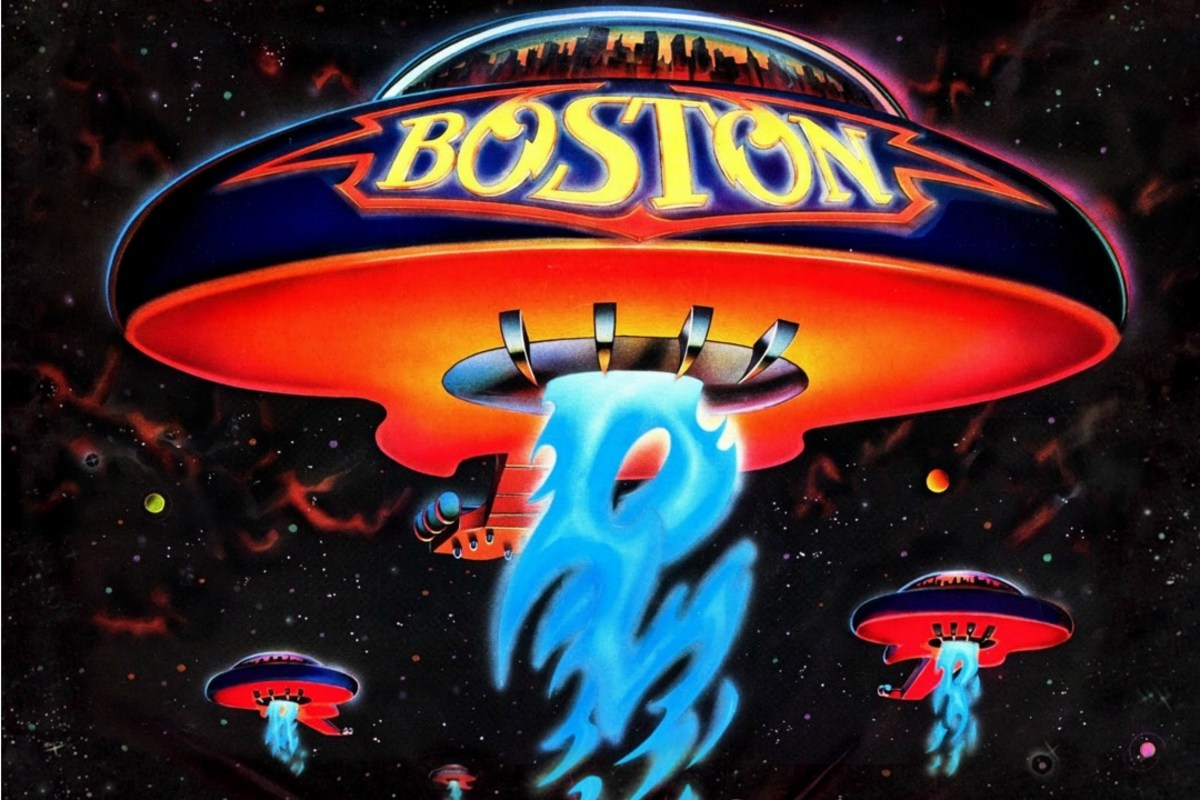
More Than a Feeling was a prime example of steak-free sizzle, and as enjoyable as it was in the moment, and it remains decent ear candy, it is, at its core, an inartfully-written Louie, Louie remake with second-hand banalities squealed at high-volume.
And the record companies smelled cash by dressing up the low-rent swill of lesser hacks, and lo, they rushed to cash in.
It wasn’t that the artists written about here are without merit. There are multiple pleasantries to discover, and the nostalgia factor lends an authority that smart-ass critics like me can never have. There are hooks, of course, and great individual performances that retain some humanity through the wall of slickness. It’s hard not to feel the soul in Lou Gramm’s voice or Neal Schon’s guitar. I still think Toto’s Rosanna is one of the most beautifully crafted songs I’ve ever heard, played flawlessly by some of the finest studio players of the time.
But Toto was Temu Steely Dan, nothing more. Musically tight, everything in place but nothing under the surface except a more boring surface.
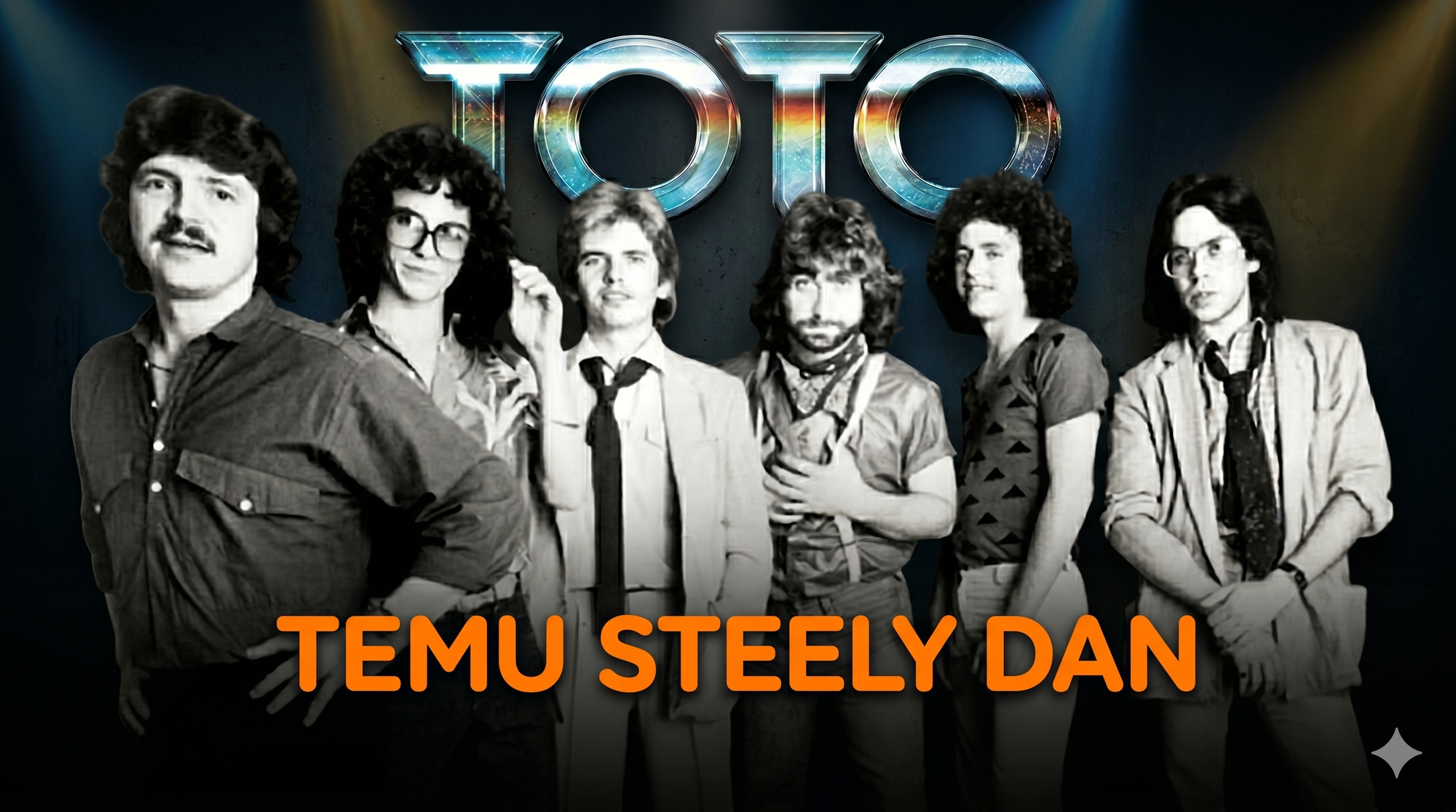
(Rees devotes large chunks of the book to Toto guitarist Steve Lukather, a genuinely funny guy, insisting that his band was not a collection of soulless studio hacks and jingle singers and bragging about their deepening dive into the tepid waters of mediocrity while calling you, dear reader, an asshole for not recognizing their genius.)
Unintentionally, maybe, but Rees reveals the corrosive effect of the AOR sound by presenting a handful of bands (Aerosmith, Heart, Van Halen) who shucked their well-earned cred when they hit a financial wall and decided to milk it instead of tearing it down. Not that anyone should begrudge their financial success, but none of those bands were ever as artistically valid as their later successes would suggest; they each became just one more tepid shade in the beige musical landscape.
Rees is a fine writer, and his biography of Who bassist John Entwistle is highly recommended; he delves into who Entwistle was, while exploring his musical contributions and the inner dynamics of a great band. The only thing he really “writes” here, however, is the introduction, which, aside from dressing up a hoary urban legend in new clothes and presenting it as fact (no, Freddie Mercury, when asked what it was like being the greatest singer in the world did NOT reply “go ask Steve Perry” - that goddamn story has been repeated a million times with Eric Clapton and Jimi Hendrix, Jimi Hendrix and Terry Kath, Eric Clapton and Prince, and pretty much every permutation imaginable, and I have no idea why Rees presents it as gospel), is an entertaining but failed apologetic for the artists he presents in the book. Maybe, as a British writer, he sees the music as an organic soundtrack to the plastic suburbia he imagines the US to be?
Dunno. But any notion most of this music is anything other than sonic wallpaper for hanging out in a mall parking lot and pretending it’s 1987 again will be dispelled with a serious listen.
Read the book. Listen to something else.
Brent Sanders
Brent is a Nighthawk, a Falcons fan, and an astute observer of the human condition.
When he's not doing this, he's doing something else.