
How to Read a Tree

Clues and Patterns from Bark to Leaves
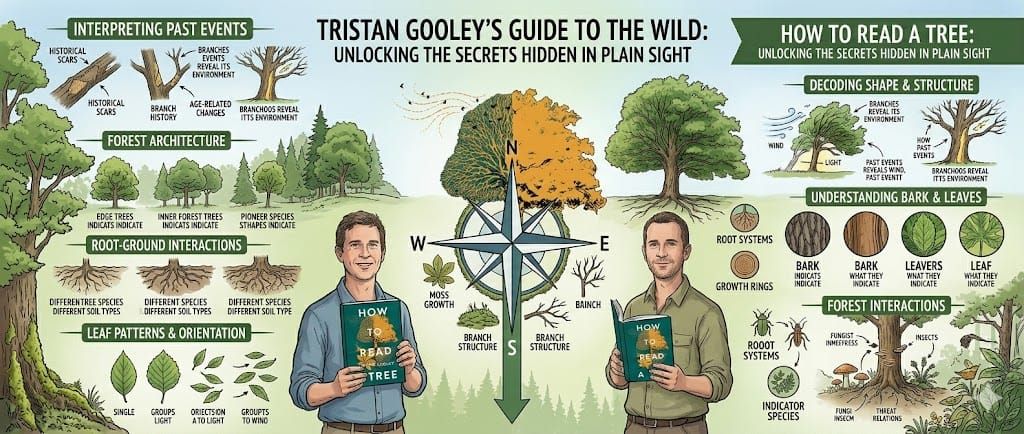
Trees are the ultimate quiet observers. They have been standing there for decades, sometimes centuries, just watching the world unfold while we rush past them with our eyes glued to our phones. We treat them like scenery, just green noise in the background of our lives, but that is a massive mistake. If you want to change how you look at the woods, Tristan Gooley’s new book, How to Read a Tree, is out now and ready to act as your guide. Every single tree is holding onto a massive, complex autobiography. They have been recording every drought, every storm, every lean year, and every season of plenty, etching it all directly into their own skin and bones. The problem is that most of us are functionally illiterate when it comes to reading their language.
Tristan Gooley’s work is essentially the decoder ring we have been missing. In How to Read a Tree, he lays out the fact that these things are not just standing there to look pretty. They are constantly signaling what is happening around them, and if you know where to look, you can stop treating the woods like a mystery and start treating it like a map.
Take the leaves, for example. We usually just see a blur of green, but there is so much more going on. If you spot leaves that have this distinct, pale streak running down the center, that is not an accident or a genetic quirk. That tree is telling you that it has access to a reliable water source. It is essentially pointing a finger at where the moisture is hiding in the landscape. Or look at the branches. You might see a tree with a bunch of young, low-growing branches and think it looks nice and bushy, but that is actually a sign of stress. That tree is fighting for its life, putting out low growth because it is struggling to find the energy to push upward.
Even the bark is shouting information at you if you have the patience to listen. People see a tree trunk and assume it is static, but bark is constantly evolving. If you see those vibrant, almost shocking shades of red or purple, you are looking at the equivalent of a growth spurt. That is fresh, new tissue doing exactly what it was built to do.
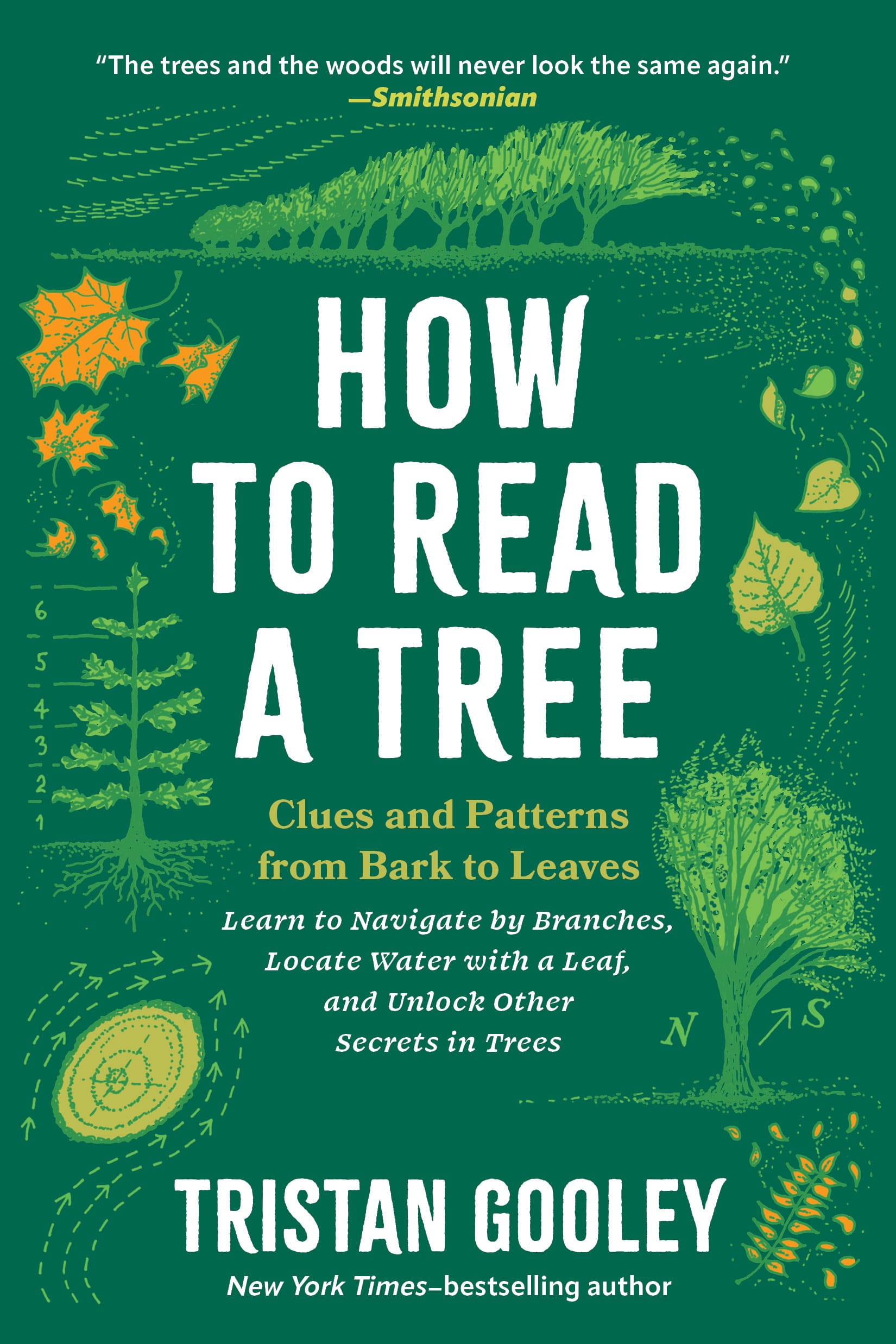
The thing that really hits home is that there is no such thing as a "standard" tree. Just like how you cannot find two snowflakes that are identical, every single tree has lived a totally unique life. Some have had it easy, growing tall and straight in the middle of a protected grove. Others have spent their entire existence fighting against the wind on a ridge, twisted into wild, gnarled shapes because they had to adapt just to survive the next gale.
When you see a tree that looks beaten down or oddly shaped, you aren’t just looking at a mess; you are looking at a survivor. You are seeing a physical record of the harsh winters it endured, the years of shade from its neighbors, or the times it was damaged and had to heal over. It is a living, breathing archive of everything it has been through.
If we actually stopped for two seconds to look—really look—at the bark, the buds, the way the flowers bloom, or even what is left behind in a stump, the forest stops being just a collection of wood and leaves. It turns into a sprawling narrative. Every scar, every lopsided branch, and every color variation is a chapter in that specific tree’s history. Once you start picking up on these cues, you never really look at a park or a forest the same way again. It is like you finally learned how to read a language you have been surrounded by your whole life, and the story it is telling is way more interesting than anything you will find on the internet.