
Sublimation

The Border Cuts You in Two
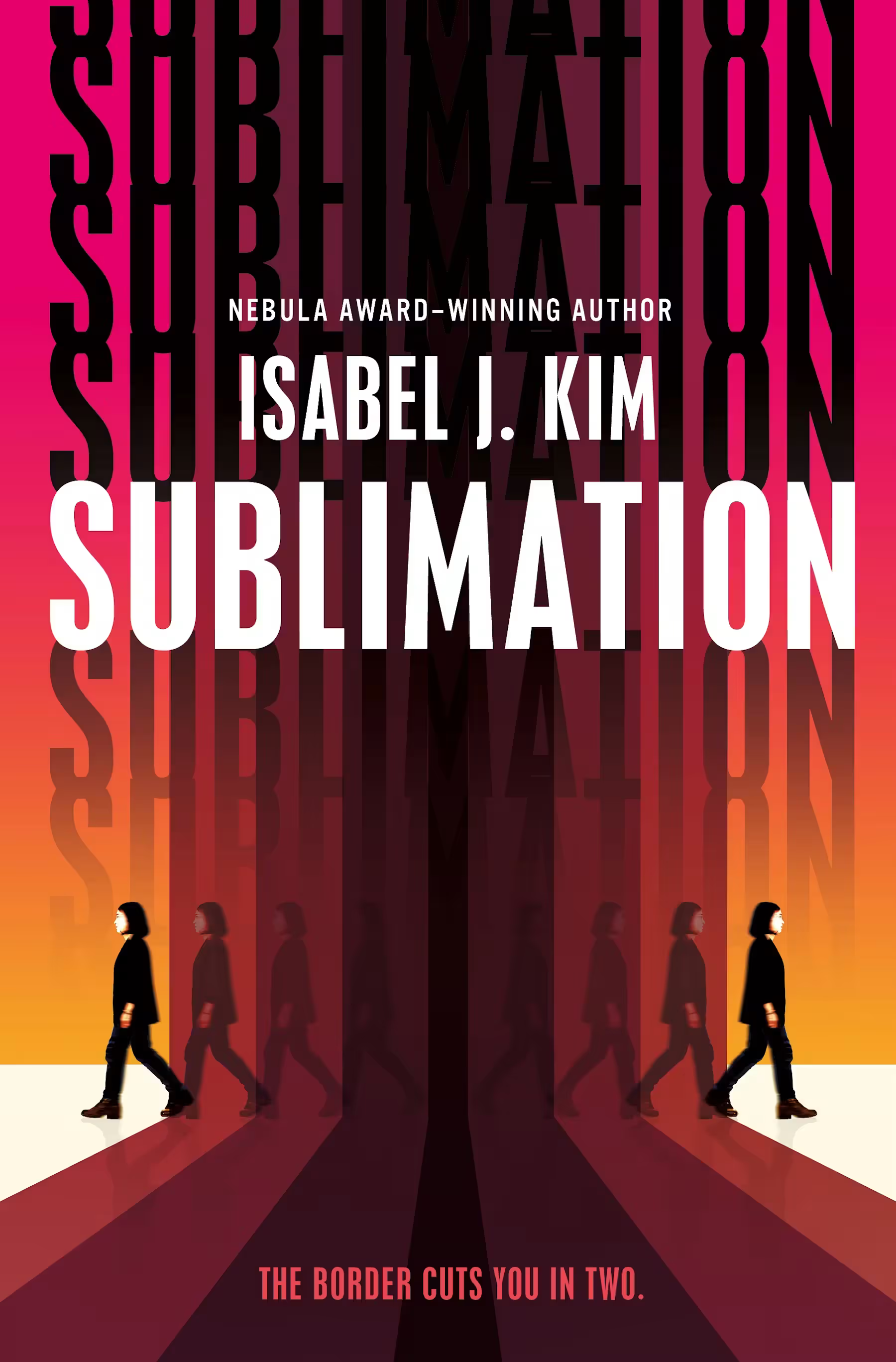
the debut novel by Isabel J. Kim, published by Tor Books
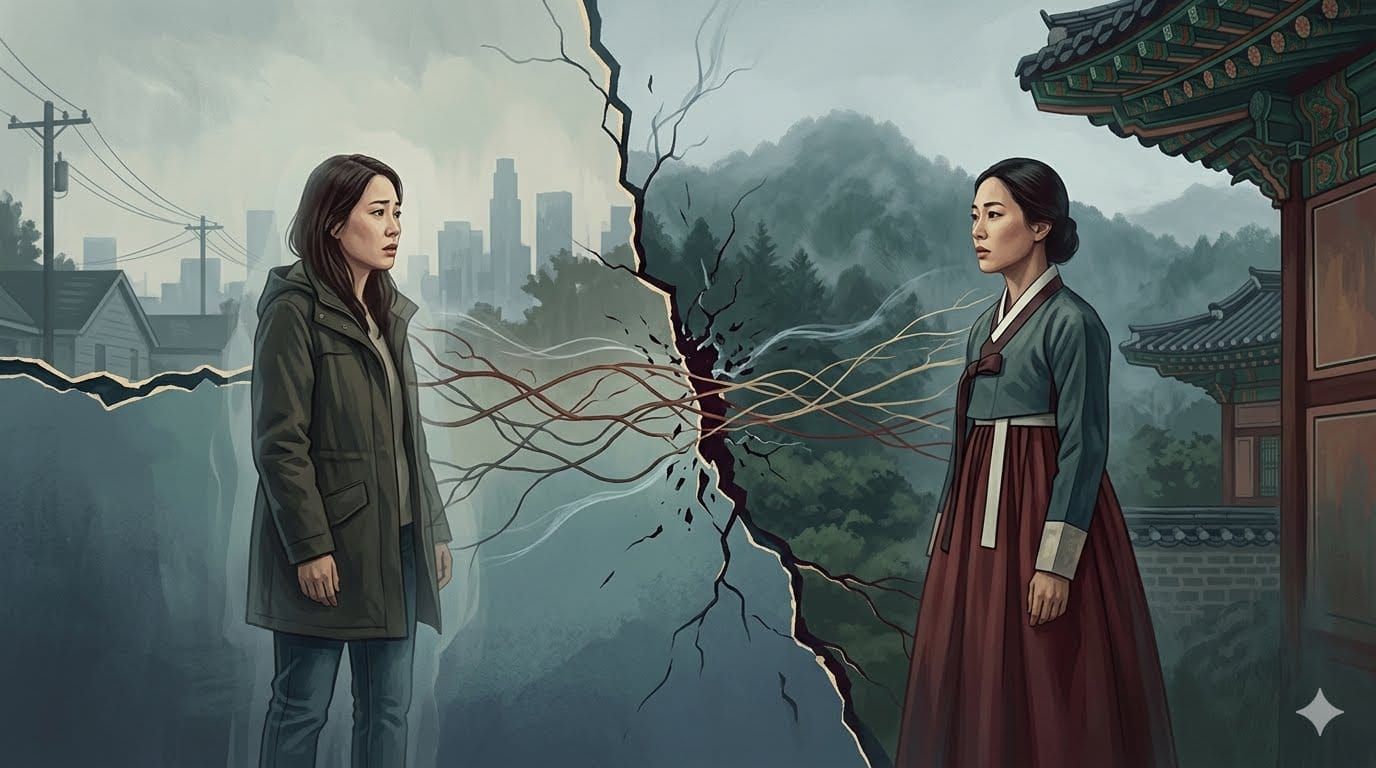
Crossing a physical border changes the trajectory of a person’s life, but in Isabel J. Kim’s debut novel Sublimation, published by Tor Books, that division becomes a literal, physical split. In this world, the act of immigration leaves a copy of oneself behind, creating a separate person known as an instance. One version crosses over into the unfamiliar terrain of a new country, while the other remains trapped in the homeland, walking the familiar paths they always have.
The psychological toll of this duplicate existence varies wildly from person to person. Some instances resist the separation entirely. They stay in touch constantly, calling each other every day to keep their daily lives, minds, and memories perfectly synchronized. They live in the fragile hope that they can eventually touch, reintegrate, and seamlessly pick up their lives as a single, unified individual. But for others, the severing of ties is sharp, silent, and permanent.
When Soyoung Rose Kang emigrated from Korea at ten years old, her life fractured cleanly. The instance that crossed over became Rose, building a completely independent life for herself in America without looking back. She spent decades assuming her past was buried and that her other self in Seoul was a distant afterthought, never speaking to her counterpart again. Rose never imagined a scenario where she would return to Korea, until the sudden death of her grandfather cracked her world open.
The funeral summons Rose back across the ocean, forcing a confrontation with the parallel life she abandoned twenty years prior. What Rose does not suspect as she prepares for her return is that Soyoung, the instance left behind, has spent those two decades watching from afar with a growing, quiet desperation. Soyoung’s true motive is far darker than a simple family reunion; she has carefully planned to steal Rose’s body, her memories, and the American existence she was denied.
Sublimation explores the haunting question of how far an individual would go to reclaim the choice they never got to make, mapping the raw emotional complexities of identity, diaspora, and the path not taken. It serves as a striking and suspenseful meditation on what it truly means to leave a home, and what gets left behind in the process.