
The People's Paper

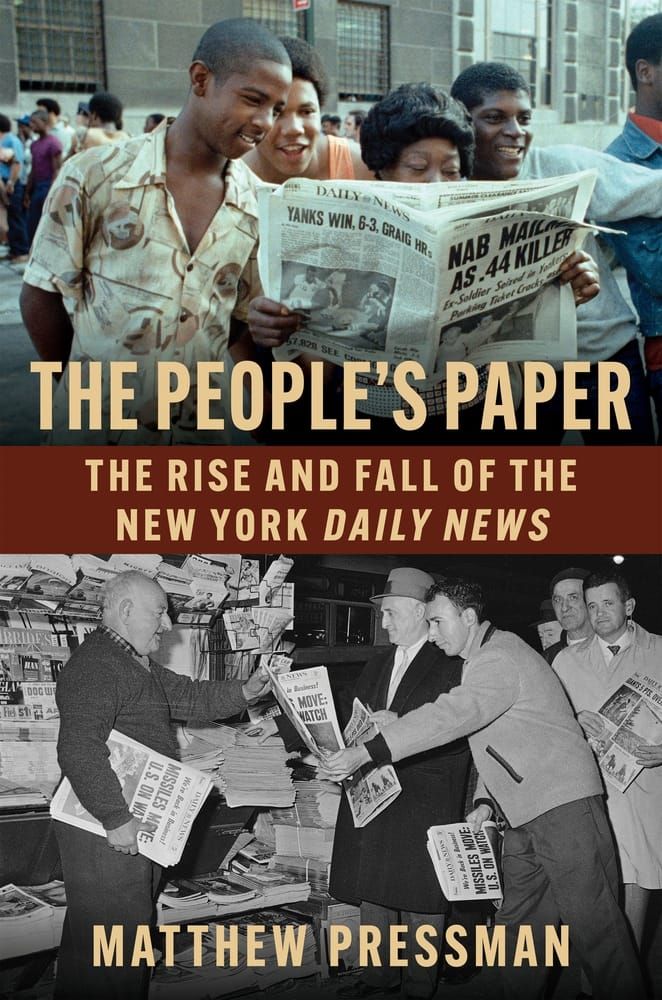
The transformation of American journalism in the twentieth century was not merely a matter of changing technologies or shifts in political alignment; it was, at its core, a reflection of the changing nature of the American working class. When the New York Daily News first hit the streets of Manhattan in the summer of 1919, it was born into an era of massive urban migration, where the traditional, dense, text-heavy broadsheets of the establishment spoke to a class of people who had already arrived. The Daily News, brash and unapologetically populist, was designed for those who were still trying to find their footing. It did not merely report the news of the city; it captured the raw, pulsing rhythm of the streets, redefining the physical and cultural architecture of the American newspaper.
In his new book, The People’s Paper, Matthew Pressman examines this great engine of urban culture as a vital, democratic institution that for decades served as the primary connective tissue for millions of ordinary citizens. The tabloid format—smaller, highly visual, and easily read on a crowded subway car—was a brilliant piece of sociological engineering. While critics in the academic and high-minded salons of journalism dismissed it as sensationalist, a vulgar pastiche of crime, celebrity, and high-contrast photography, they missed the larger reality. For the truck drivers, the garment workers, the immigrants, and the civil servants who kept New York running, the Daily News was their paper. It spoke their language. It possessed a distinctive swagger, combining the grim poetry of the police blotter with a surprisingly fierce commitment to local and national political reporting. By mid-century, it had become the largest-circulating newspaper in the United States, a political and social juggernaut that no mayor, governor, or president could afford to ignore.
Yet the very forces that had created the paper’s spectacular rise would eventually plot its undoing. By the 1970s, the Daily News found itself trapped in a pincer movement of profound demographic and economic change. The white working-class base that had bought the paper on the stoops of Brooklyn and Queens was migrating to the suburbs, replaced by a more diverse, complex influx of new arrivals whom the paper’s traditional leadership struggled to understand or accurately reflect. Simultaneously, the rise of television news began to strip away the immediacy of the afternoon and evening editions.
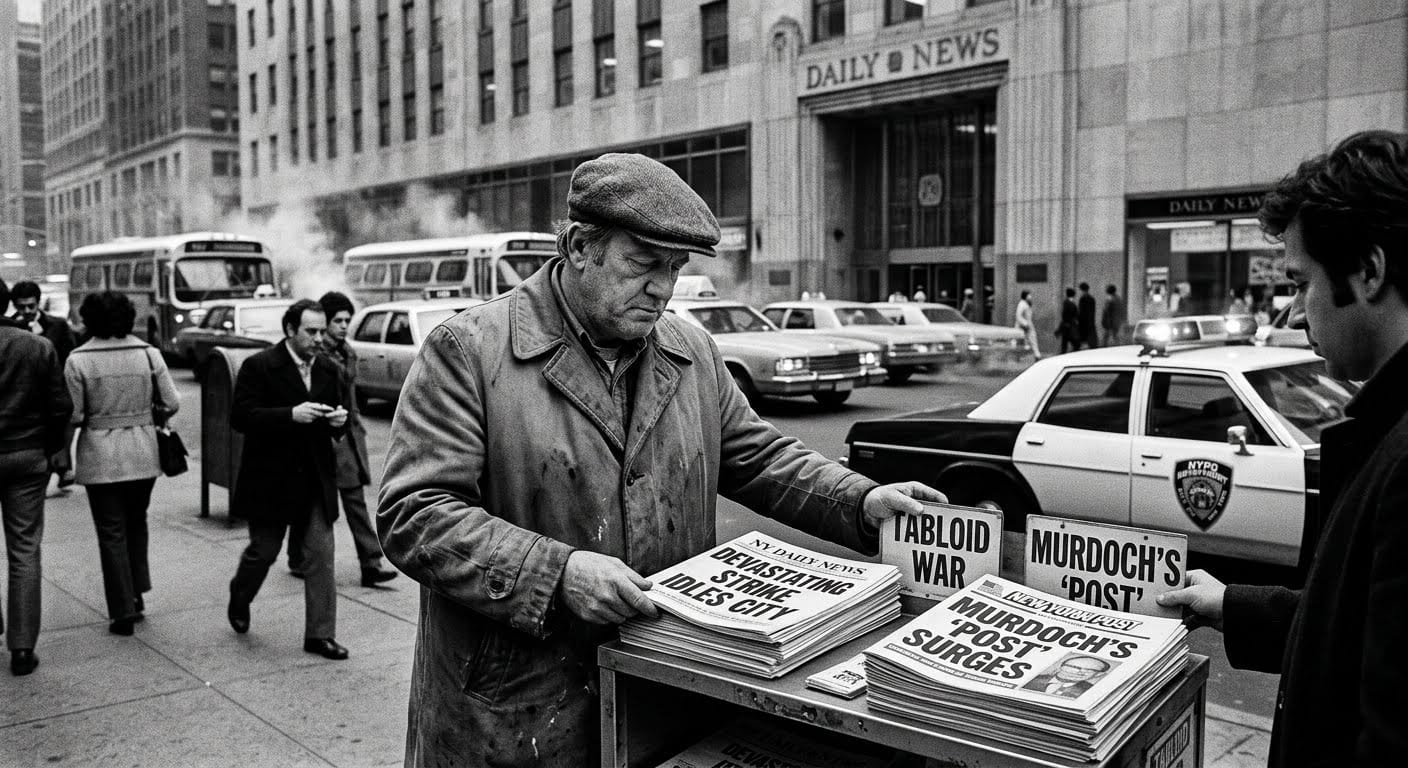
The crisis deepened as the paper entered a period of bruising, ideological warfare. Rupert Murdoch, a hard-edged right wing Australian media baron with a keen understanding of grievance and spectacle, had acquired the New York Post. Murdoch did not merely want to compete; he wanted to destroy. The Post pushed the boundaries of tabloid sensationalism even further, weaponizing populist anger in a way that made the Daily News look suddenly institutional, old-fashioned, and vulnerable. What followed was a agonizing decades-long retreat. There were devastating labor strikes that severed the historic bond between the paper and its unionized workforce. There were repeated, painful reckonings over race and representation within a newsroom that had remained stubborn and monochromatic far too long as the city around it transformed.
Pressman’s narrative, drawn from more than sixty deeply candid interviews and a wealth of corporate and private documents, captures the tragic arc of this decline. The tragedy was not just financial; it was human. As the late 2010s arrived, successive waves of corporate ownership—culminating in the ruthless hedge-fund capitalism that came to define modern media management—instituted cuts so severe they did not just trim the fat; they severed the bone. A newsroom that had once deployed hundreds of fiercely competitive reporters to every corner of the five boroughs was reduced to a skeleton crew, a ghost ship navigating an increasingly hostile digital landscape.
The loss of the Daily News in its prime is a central component to understanding the current fragmentation of American civic life. The tabloid, as Pressman powerfully argues, performed an essential democratic function that the elite press could never replicate. It democratized information. It took complex, high-stakes matters of public policy, finance, and governance and translated them into an idiom that was digestible, relatable, and urgent for the person who worked forty hours a week and didn't have time for the dense prose of the New York Times. When an institution like that is hollowed out, the vacuum is not filled by better journalism; it is filled by rumors, tribalism, and a profound alienation from the democratic process. The People’s Paper stands as a definitive, sober monument to a time when a great city possessed a singular, shared arena where the powerful were held to account by the very people who built the city itself.