
Best True Crime Stories of the Year 2026

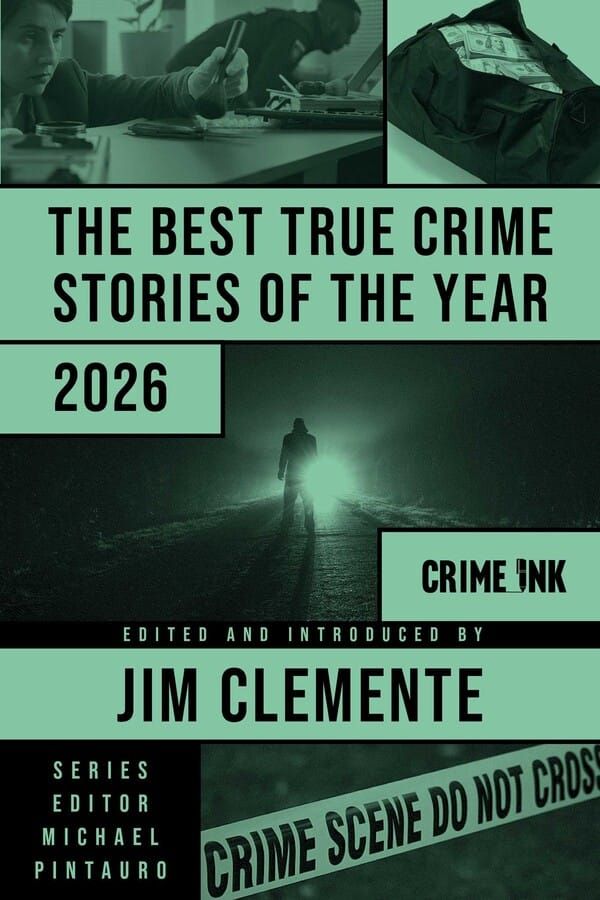
True crime, when stripped down to its barest bones, is rarely just about the blood on the asphalt or the yellow tape stretching across a driveway. It is a study of human tension. It is about what happens when the mundane machinery of daily life grinds against the jagged edges of greed, obsession, and desperation. The genre has evolved far beyond the cheap sensationalism of old pulp magazines, maturing instead into a deeply psychological, expertly reported mirror of modern society. And in The Best True Crime Stories of 2026, that mirror is held up by hands that know exactly where the fractures lie.
Curated by former FBI special agent, author, and television writer/producer Jim Clemente, along with series editor Michael Pintauro, this second annual edition behaves like a masterclass in narrative tension. Clemente brings the clinical, cold-eyed perspective of a seasoned behavioral profiler to the selection process, stripping away the cheap theatrics to isolate the raw, human truth at the center of every mystery. The result is an eclectic, deeply provocative lineup of longform journalism that doesn’t just ask who did it, but digs relentlessly into the terrifying, fascinating question of why.
Culled from an expansive web of regional, national, and international publications, the anthology acts as a geographical and psychological map of human darkness. The prose across these collected essays is lean, muscular, and unsparing. There is no room for wasted motion here; every sentence is designed to pull the reader deeper into the labyrinth.
Consider, for example, the chilling account of a decades-long unsolved case hidden deep within the jagged peaks of the Italian mountains. The story reconstructs the mysterious deaths of an English baroness and her assistant—a grim puzzle left to rot in the high altitude. The reporting walks the reader through a dizzying maze of theories, pivoting from the terrifying possibility of a botched high-stakes kidnapping to the calculated, silent hand of a mafia assassination. The writer doesn’t just recount the facts; they evoke the biting cold of the mountain air and the suffocating silence of a cover-up that has outlived its victims. It is a haunting reminder that some secrets are buried so deep that even time itself refuses to unearth them.
From the quiet, blood-stained snow of Europe, the collection shifts its focus to the sun-baked, asphalt-heavy landscape of Texas. Here, the narrative profiles a young man whose aggressive pursuit of the American Dream took a violently distorted turn. Instead of building a corporate empire through traditional means, he constructed a massive, multimillion-dollar network centered entirely around the party drug ecstasy. The writing captures the manic, high-stakes energy of a modern tragedy, charting the meteoritic rise and inevitable, shattering fall of a backyard kingpin. It explores the intoxicating allure of easy wealth and the terrifying speed at which the pursuit of prosperity can warp into a descent into pure lawlessness.

Yet, perhaps the most jarringly modern entry in this lineup belongs to the concrete canyons of New York City. This particular tale unfurls like a sleek, cynical thriller for the digital age, centering on a brilliant, ruthless con artist who operated in the spaces where high finance, celebrity culture, and street-level corruption collide. This individual didn’t simply grift ordinary citizens; they bribed members of the New York Police Department, orchestrated the theft of millions of dollars in diamonds, and weaponized the hyper-connected world of social media influencer culture. In a stunning display of manipulation, the con artist managed to lure professional fighter Floyd Merriweather, Jr. and global celebrity Kim Kardashian into hawking a massive cryptocurrency scam. The story is a devastating critique of modern gullibility, exposing how easily the glitter of fame can be used to blind millions to an obvious heist.
Beyond the individual crimes, the anthology takes a step back to examine the culture that consumes them. Several standout pieces delve into the rapidly expanding, deeply unsettling phenomenon of amateur sleuths. These are the ordinary citizens—neighbors, accountants, students—who spend their nights hunched over glowing laptop screens, utterly obsessed with solving cold cases that the authorities have long since walked away from. The writing here is remarkably nuanced. It doesn't mock these digital detectives, nor does it entirely celebrate them. Instead, it examines the fine, dangerous line between a noble pursuit of justice and a consuming, destructive obsession. It raises uncomfortable questions about our collective fascination with the macabre and what happens when the hunt for a killer becomes a substitute for a person's own reality.
What makes this collection a mandatory addition to any true crime lover's bookshelf is its commitment to the art of the longform narrative. These are not quick, superficial headlines designed for a five-second distraction. They are deeply researched, elegantly constructed pieces of literature that treat crime as an essential, tragic component of the human condition. For anyone seeking to understand the currents of malice, mystery, and morality shaping our world, this anthology stands as an indispensable guide.