
Weird Era

There was a time when rock and roll criticism was an blood-and-guts affair, a street fight waged in the pages of ink-stained newspapers and glossy monthlies by people who believed, with a ferocity bordering on the psychotic, that a three-minute single could save your soul or rot your brain. It was a trade built on shoe leather, radio static, and the communal flipping through the record bin. But by the closing stanza of the twentieth century, that old world was suffocating under its own corporate fat. The gatekeepers had grown lazy, nodding off at the switch while the major labels stuffed the airwaves with algorithmic sludge.
Enter the nerd with the dial-up connection.
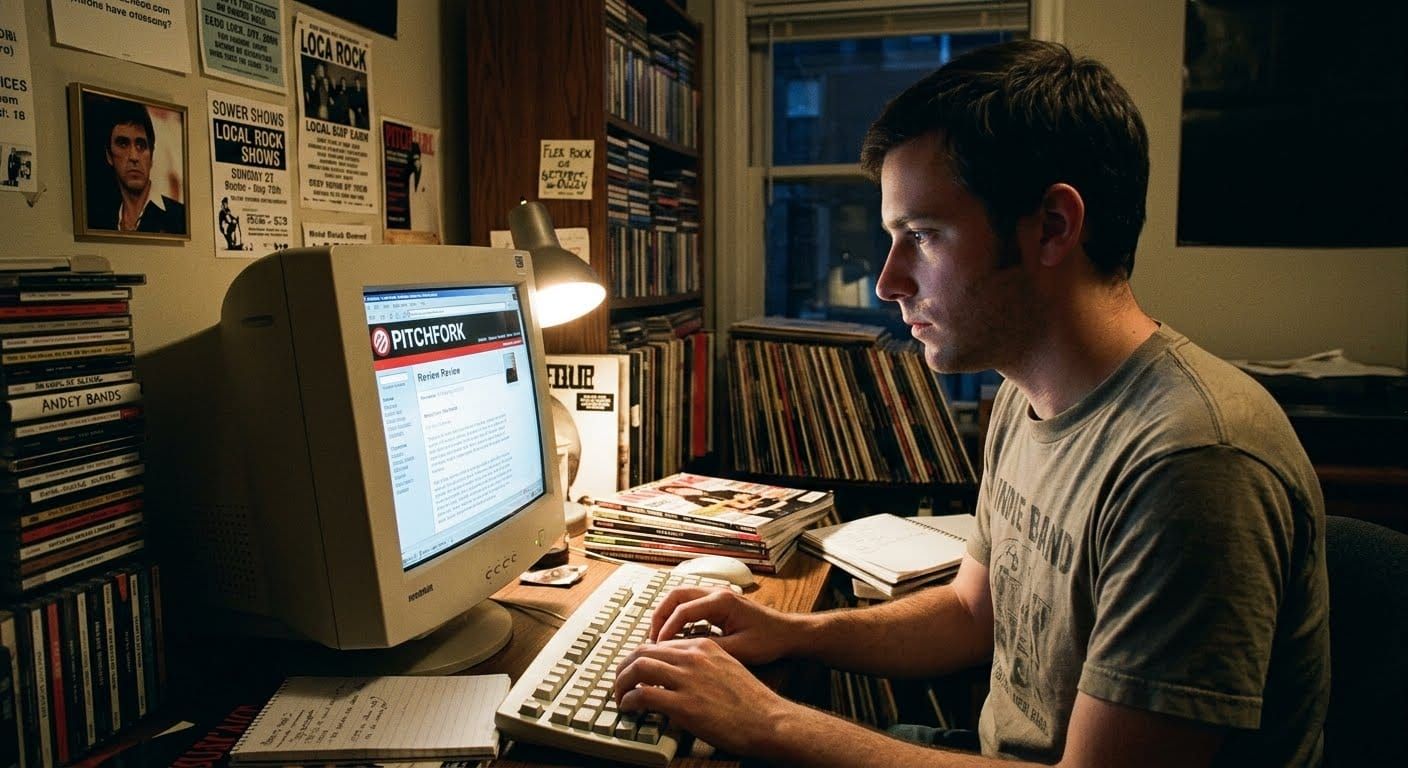
When a nineteen-year-old kid from Minneapolis named Ryan Schreiber booted up his family’s beige desktop computer in 1996 to launch a digital zine called Pitchfork, he wasn’t trying to build an empire. He was just looking for a place to yell about the records the mainstream wouldn't touch. But in doing so, he accidentally triggered a cultural earthquake that shattered the old media apparatus and rebuilt the entire landscape of popular music in his own image. Thirty years after that initial spark, Schreiber’s memoir, Weird Era, arrives not just as a recollection of personal fandom, but as an essential, unsparing anatomy of how the internet grabbed rock and roll by the throat and never let go.
To understand the weight of what Schreiber pulled off, you have to remember the sheer, terrifying vacuum of the mid-to-late nineties. The classic rock press was trapped in a permanent cycle of nostalgia, and the alternative boom had been commercialized, packaged, and sold to the highest bidder at the mall. Pitchfork succeeded because it restored a sense of fanatical, almost religious stakes to music listening. It didn’t matter that these writers were operating out of bedrooms instead of skyscraper offices; what mattered was the absolute certainty of their judgment. By ditching the traditional five-star review for a hyper-specific, decimal-point scale running from 0.0 to 10.0, the site turned taste into a blood sport.
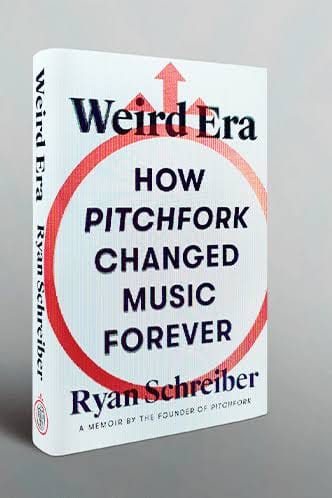
That decimal system wasn't a gimmick; it was a weapon. A 10.0 could pluck an obscure, basement-recorded indie band from total anonymity and hand them a career overnight. Conversely, a cruel, meticulously targeted 0.0 could ruin a band's reputation before their tour van even cleared the state line. It was criticism as a high-wire act, dripping with the kind of intellectual snark and elitist bravado that defined a generation of listeners who used their record collections as armor against the world. Weird Era goes behind the curtain of that make-or-break power, capturing the adrenaline and the immense anxiety of holding the cultural steering wheel. Schreiber details the backstage encounters, the late-night meltdowns, and the surreal experience of watching artists who were once mythic figures suddenly sweating over what a bunch of Midwestern digital outsiders thought of their bridge transitions.
Yet, what makes this chronicle truly vital is its dual identity. It functions beautifully as an Almost Famous for the digital vanguard—a story of pure, obsessive fandom surviving the meat grinder of the music industry—but it doubles as a history of indie rock’s unlikely march toward the center of the Zeitgeist. Pitchfork covered the music of the twenty-first century and actively shaped the sound of it. The site became the chief architect of the indie-rock boom, elevating the quirky, the experimental, and the fiercely independent until those very sounds became the dominant soundtrack of modern alternative culture.
But as any student of pop history knows, the underground cannot stay underground forever. The great tragedy of any successful counter cultural movement is that the mainstream eventually cuts a check. Weird Era charts this inevitable, bittersweet trajectory with remarkable candor. As the bedroom blog swelled into a global behemoth, the raw, chaotic energy that fueled its rise had to contend with the cold realities of the digital media boom-and-bust cycle. The narrative builds toward its ultimate, jarring climax: the 2015 sale of Pitchfork to Condé Nast, a corporate acquisition that felt to many like the final surrender of the old indie-rock utopia to the glossy forces of high fashion and legacy publishing. It is a story of growing pains writ large, exploring what happens when the assassin tattoo—the Scarface reference that gave the site its name—is traded for a corporate badge.
Ultimately, this is a book about the power of the gut check. In an era where music has been reduced to a stream of background data, and algorithms dictate what we hear before we even know we want to hear it, Schreiber’s memoir serves as a powerful reminder of a time when human passion, sarcasm, and sheer obsessive willpower could move mountains. It is a map of human darkness and creative light, tracking the beautiful, messy, and loud transformation of how we consume art. For anyone who ever stayed up until midnight waiting for a review to drop, or discovered their favorite band through a hyperlinked track review, this isn't just Schreiber's story. It is the history of the air we breathe.