
Boiling Point

The war in Ukraine is not a sudden, modern conflict that began out of nowhere—it is the explosion of a seventy-five-year secret history rooted in the dangerous collision of geography and political ambition. While most Americans viewed Ukraine as an abstract, faraway landscape on a map before Russian tanks rolled across the border in February 2022, Washington and Moscow have quietly used the territory as a geopolitical tug-of-war rope since the end of World War II. For decades, the American public treated Eastern Europe with a sense of indifference, seeing it as a quiet buffer zone. But to the architects of global strategy in the United States and Russia, Ukraine was never a blank space. It was the ultimate frontier where Western democracy and Russian security were destined to clash.
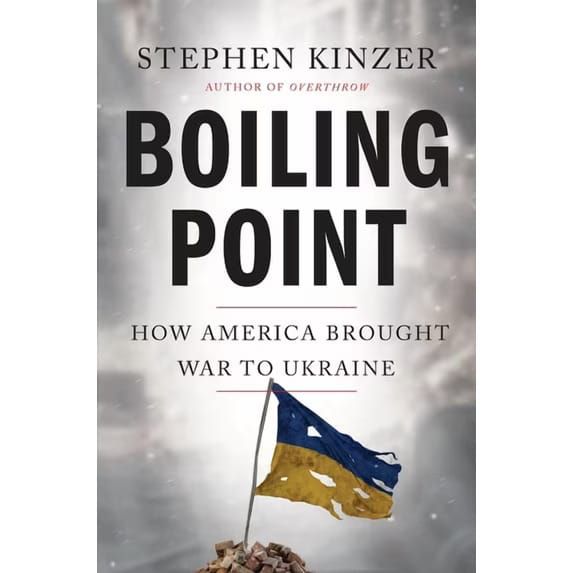
In his book Boiling Point, author Stephen Kinzer uncovers this long-hidden theater of hostility, revealing the longest-running covert conflict of the modern era. It is a dark narrative that both empires desperately tried to bury beneath layers of official state secrets, denials, and classified documents. The origin of this catastrophic confrontation does not belong to the twenty-first century alone. Instead, the seeds of today's destruction were planted three-quarters of a century ago in the toxic, chaotic aftermath of the Second World War.
This multi-generational saga did not begin in the grand, polished diplomatic halls of peace conferences, but rather in the bleak, muddy refugee camps of a ruined and divided Germany. Amidst the human wreckage of a broken continent, officers of the newly formed Central Intelligence Agency looked at desperate Ukrainian exiles, nationalists, and anti-Soviet partisans. The U.S. government did not see these refugees as tragic casualties of war, but rather as a potent, disposable weapon to be aimed directly at the heart of the Soviet Union.
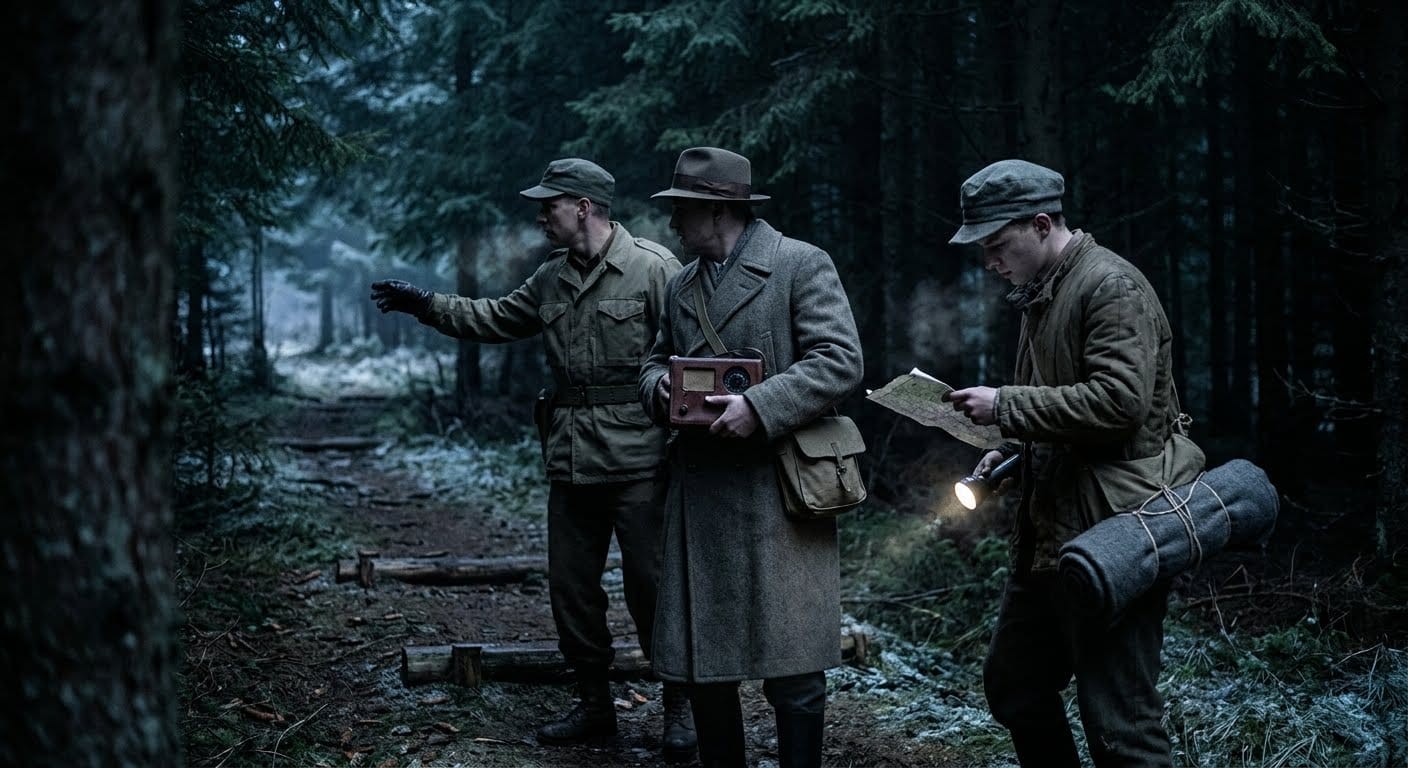
From these early days, American foreign policy was driven by a stubborn, almost romantic delusion that a secret, underground guerrilla war could break the back of the Kremlin's control over its western border. Kinzer reconstructs this desperate espionage with meticulous care, tracing a long line of rebels, exiles, and secret operatives who were launched blindly into the teeth of the Soviet security apparatus. It was an exercise in futility that bordered on criminal. Nearly every agent the CIA dropped by parachute or smuggled through the dense forests of the Carpathian Mountains was instantly intercepted, captured, or executed by a ruthless, well-warned Soviet counterintelligence network.
Yet, in a display of institutional stubbornness so common among global superpowers, failure did not bring wisdom. Washington refused to abandon its grand illusion. For generation after generation, American military and political strategists continued to view Ukraine as the ultimate lever with which to destabilize Moscow. When the Soviet Union finally collapsed under its own weight in 1991, this dangerous dynamic did not disappear. It merely took on a new, much more volatile form.
Instead of resolving historical tensions, Ukrainian independence actually amplified them. Driven by a sense of historical victory, American politicians mistook a temporary Russian economic retreat for a permanent, total defeat. The United States pushed to expand the North Atlantic Treaty Organization (NATO) further and further eastward, right to Russia's doorstep. To a deeply paranoid Russian government, this rapid Western expansion felt like an existential threat and a total military encirclement. This aggressive push transformed Ukraine from a quiet playground for spies into the central, bloody battlefield of a new century.
Kinzer’s narrative moves with the driving momentum of a classic tragedy where the ending is already decided by the pride and arrogance of its main characters. He populates this massive historical tapestry with a wild gallery of real-life, improbable figures. The book features brilliant but corrupt exiles trading in forged intelligence for cash, idealistic partisans dying for a cause that had already been sold out by their American handlers, and cold-eyed bureaucrats in Washington who viewed the fate of millions of real people as mere moves on a global chessboard. The conflict even spilled out from the shadows of smoke-filled safehouses into the international spotlight, corrupting supposedly neutral cultural spaces like the Olympic Games.
What emerges from these pages is a profound, devastating critique of how empires truly operate. By turning Ukraine into its most aggressive and vital European political project of the twenty-first century, the United States accidentally set a direct collision course with a resurgent, paranoid Russian state. The ultimate tragedy lies in the massive gap between the absolute secrecy of the operations and the very public ruin left behind. For seventy-five years, this spy-versus-spy war was fought in total darkness. But when the bill finally came due, the heavy cost was paid in the broad daylight of burning cities, shattered lives, and a destabilized world. Kinzer has delivered far more than a simple chronicle of historical espionage; he has written a chilling autopsy of the grand political illusions that march nations directly into war.
-3