
Chasing Goodfellas

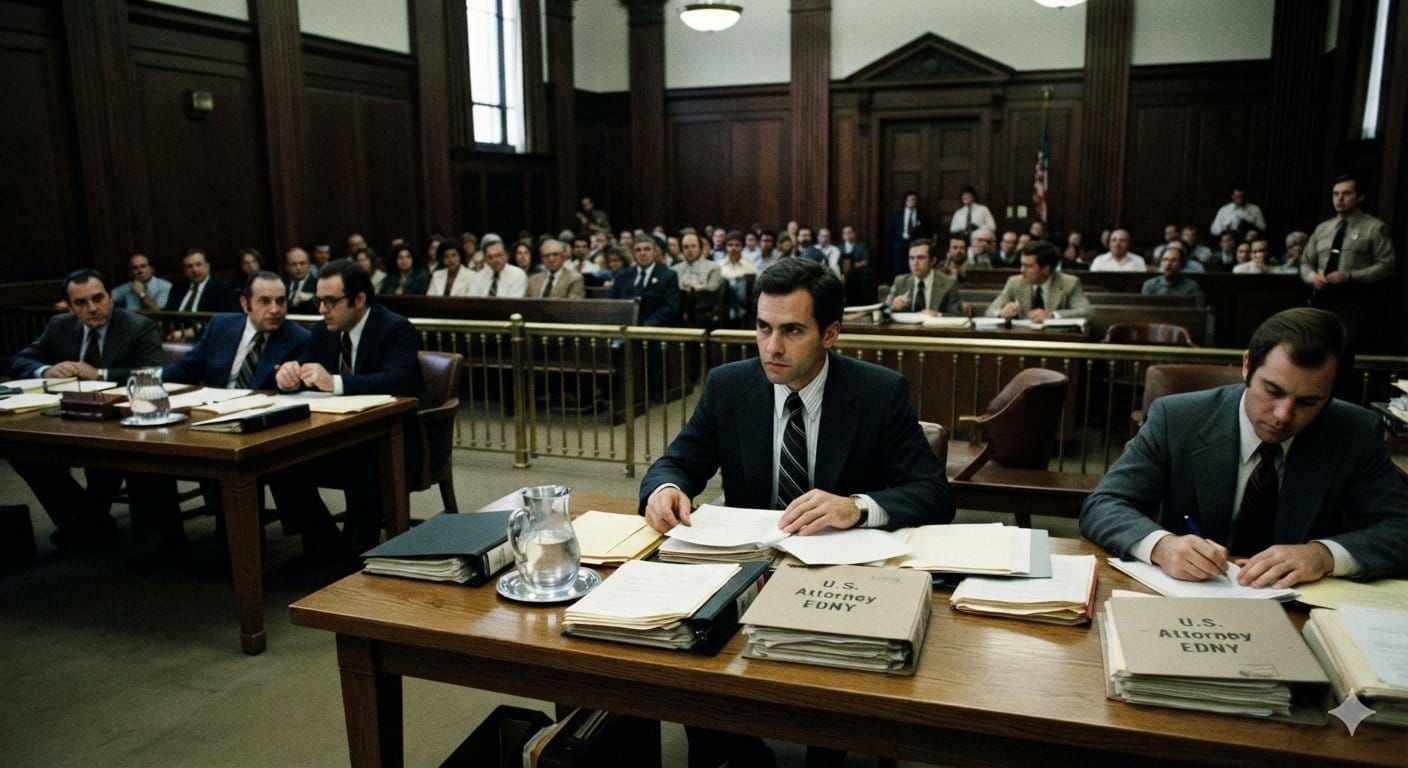
The federal courtroom in the Eastern District of New York is a cold, cavernous place, built to intimidate. It is a room where the air is heavy with the scent of old paper, floor wax, and the distinct, metallic tang of institutional anxiety. In the fall of 1980, the man sitting at the center of the government’s table did not look intimidated. He looked like he was exactly where he belonged.
Edward McDonald was a prosecutor right out of central casting. He possessed a sharp, calculating legal mind, a native New Yorker’s immunity to bluffing, and an unwavering belief that the law, if wielded with enough precision and ruthlessness, could dismantle even the most entrenched criminal empires. America has always had its share of celebrated G-men and famous mob prosecutors. But at the height of the New York Mafia’s absolute reign over the five boroughs and beyond, arguably no legal strategist was more successful, or more feared by the underworld, than Ed McDonald.
To the agents of the FBI and the United States Attorney's Office, McDonald was a folk hero—the guy you wanted leading the charge when the stakes were highest and the targets were lethal. To the capos and soldiers of the Lucchese and Bonanno crime families, he was a relentless, bureaucratic nightmare who refused to look the other way. Decades later, McDonald would become a well-known television personality, perhaps most universally recognized for an unusual twist of fate: playing himself in Martin Scorsese's Oscar-winning cinematic blockbuster, Goodfellas.
But before the Hollywood cameras rolled, there were the real-life dossiers, the wiretaps, and the grueling, high-stakes mechanics of federal trials. Now, for the very first time, McDonald—collaborating with writer Jake Brown—has written a nonfiction account that functions like a masterclass in federal prosecution. Chasing Goodfellas takes readers directly past the velvet ropes of the gallery and deep inside the investigations, the strategy sessions, and the front-page courtroom battles that defined an era. It offers an unprecedented, forensic look into the exploits of iconic, terrifying gangsters like Henry Hill and Jimmy “The Gent” Burke.
In this riveting memoir, McDonald lays out a narrative that moves with the pacing of a cinematic legal thriller. This is a story written from the trenches of the American justice system. McDonald faced off against the fiercest, most insulated mob bosses in modern history. The landmark legal victories he achieved in the courtroom did not just disrupt organized crime; they quite literally devastated the infrastructure of the Mafia and public corruption at their absolute peak.
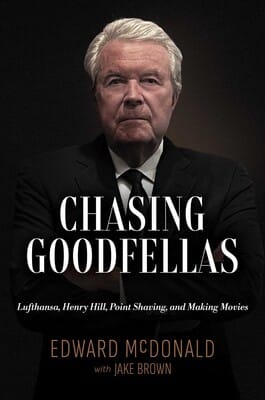
The heart of the book details two massive, interconnected federal investigations that gripped the national consciousness. First, McDonald takes the reader step-by-step through the electrifying, bloody aftermath of the Lufthansa heist at JFK International Airport. It was the largest unrecovered cash robbery in American history, a staggering five-million-dollar haul that triggered an immediate, paranoid campaign of execution within the underworld. Jimmy Burke, terrified of informants, began systematically eliminating anyone connected to the theft. McDonald chronicles the grim, frantic race to secure witnesses before Burke's hitmen could silence them forever.
The second case shifted from the tarmac of JFK to the hardwood of the NCAA, pulling back the curtain on the multi-million-dollar underworld of sports gambling. McDonald details the inside scoop on the infamous Boston College point-shaving scandal, where mob fixers exploited and corrupted big-time college basketball players to manipulate the outcomes of games. It was a cynical, highly organized operation that threatened the integrity of amateur sports, and it required a complex, multi-layered investigative approach to unravel.
With the meticulous detail of a veteran trial lawyer preparing a brief, McDonald chronicles how he and his FBI partners carried out these investigations piece by piece. He describes the agonizing process of building a federal case: flipping low-level associates, corroborating wiretaps, managing volatile informants, and anticipating the aggressive tactics of the city's highest-priced defense attorneys. He then takes the reader intimately inside the drama-filled, high-tension atmosphere of the two landmark trials, demonstrating how a prosecutor builds a narrative for a jury, block by brick, until the defense has nowhere left to turn.
Following the courtroom victories, the book shifts into an entertaining, almost surreal third act. McDonald describes his unlikely transition from the federal payroll to the silver screen, recounting how he came to play himself in Goodfellas, delivering the famous line warning Henry and Karen Hill that their lives as they knew them were over. Even more unexpected is McDonald’s deeply candid description of his three-decade-long relationship with Henry Hill—the very fixer he turned to make the government's cases in the first place.
Chasing Goodfellas is more than a true-crime memoir; it is an authentic, unvarnished look at the American legal system at war with its dark side. For anyone who has ever wondered how the government actually builds a racketeering case, or how a single prosecutor can alter the course of criminal history, McDonald provides the definitive, indispensable account.