
Dispatches from Rural America - Sixteen Essays

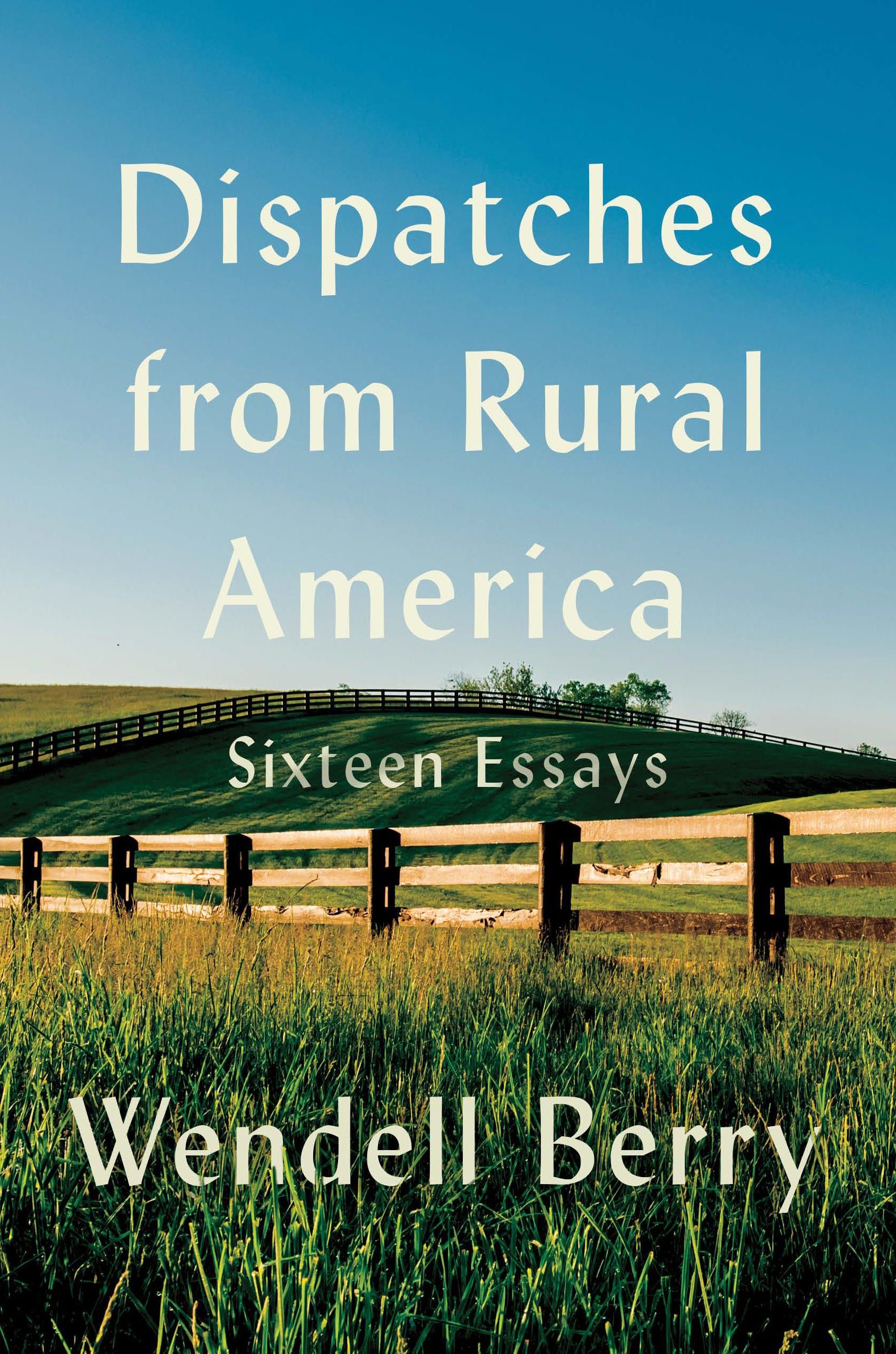
Dispatches From Rural America is a bold and brilliant new collection of sixteen essays by one of our finest observers of American life. The book explores a deep, quiet ache, showing how we have lost our spiritual connection to the land and to each other. Long before highways cut through the country and uniform suburbs sprung up for tired commuters, the American landscape was a rich patchwork of distinct, local details. It was defined by rich soil, timber, the damp breath of horses in the October chill, and a profound, heavy silence. Today, that world has been displaced. Empty, sun-bleached grain silos are being replaced by corrugated steel shipping hubs and buzzing data centers that pull profit from the digital ether.
This collection arrives right on the 50th anniversary of Wendell Berry’s landmark book, The Unsettling of America. While Berry warned against the rise of industrial farming, this new book examines the aftermath. The battle is no longer just about farming; it is about the American soul. Writing with both scientific precision and poetic heartbreak, the author charts a country that is dangerously disconnected from its roots.
The book connects local struggles to global issues, focusing heavily on how our fast-paced progress harms children. In devastating reflections on modern warfare, the prose strips away clinical military jargon to show the raw terror of the young. The author argues that mass production finds its ultimate, horrific conclusion in modern weapons. Shockingly, the author links a child in a bombed-out village to a suburban child staring blankly at a tablet screen. Both are trapped in a strange new loneliness, cut off from the comforting rhythms of a real community.
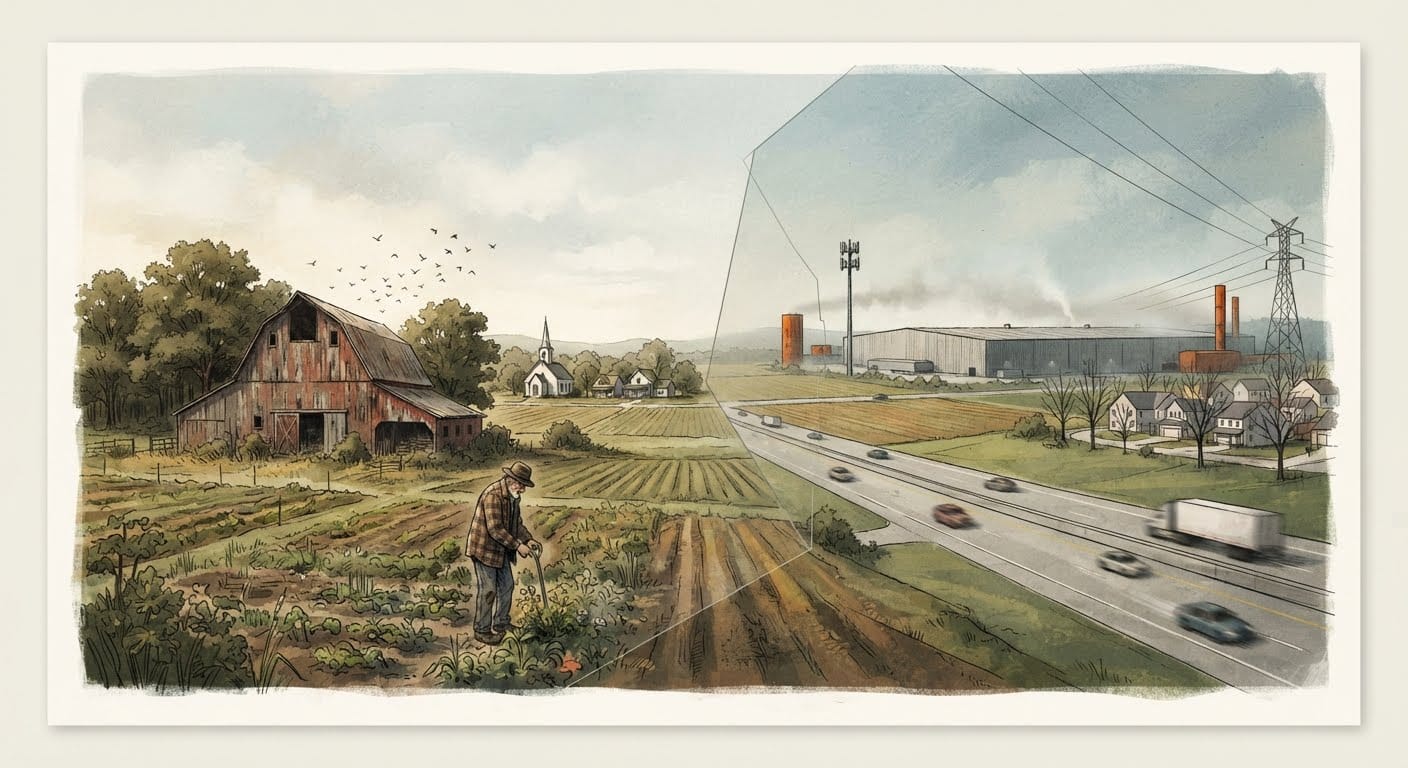
Industrialism is no longer just about factories; it is the air we breathe. It shapes how we love, pray, and age. We have traded the slow, seasonal wisdom of taking care of the land for the frantic, quarterly anxieties of shopping. Neighbors have been reduced to target demographics. The local hardware store, where people used to gossip over bins of nails, has been replaced by the fluorescent infinity of big-box stores, where human contact is reduced to the beep of a self-checkout machine.
Despite its dark diagnosis, this book is not just an exercise in nostalgia or a rejection of technology. It is driven by a deep hunger for real human connection. The author knows that digital substitutes cannot satisfy our need for community. Throughout the essays, a shimmering thread of faith remains. This isn't a rigid religious dogma, but a quiet respect for small, sacred things like the teamwork of a barn-raising, the shared silence of a country cemetery, or the stubborn resilience of an old woman tending her garden in the shadow of a highway overpass. The book argues that these small moments are the forgotten foundations of our lives.
The writing itself is beautiful, capturing the texture of American life with rich, sensory detail. The author describes an afternoon storm rolling over old-growth oak trees with the same careful precision used to dismantle the bureaucratic cruelty of a farm bill. The sentences have a melancholy music that feels both timeless and perfectly suited for our current political chaos.
Reading these sixteen essays together provides a landmark commentary on America. The collection doesn't offer easy political fixes; it offers a mirror. It asks what happens to a people who have conquered the land but lost their footing on it, maximizing their economic output while starving their inner lives. In an era of loud, shallow internet commentary, this book insists on the long view. It urges us to remember who we were before we became what we are, suggesting that the only way to find ourselves again is to look back at the very dirt we have so carelessly paved over.
-30-