
Free Range Girl

If you were alive in 1976 you know the smell of that era. It smelled like cheap gasoline, stale tobacco, and the damp wool of a high school varsity jacket. It was the American Bicentennial, a time when kids left the house at eight in the morning with a pocket full of nothing, rode bicycles with bent forks down gravel roads, and did not show their faces again until the streetlights flickered on. There were no tracking apps. There were no algorithms. There was no one sitting on a lawn chair monitoring their every breath. If a kid fell out of an oak tree and broke a wrist, they walked home and hoped nobody yelled at them for ruining dinner.
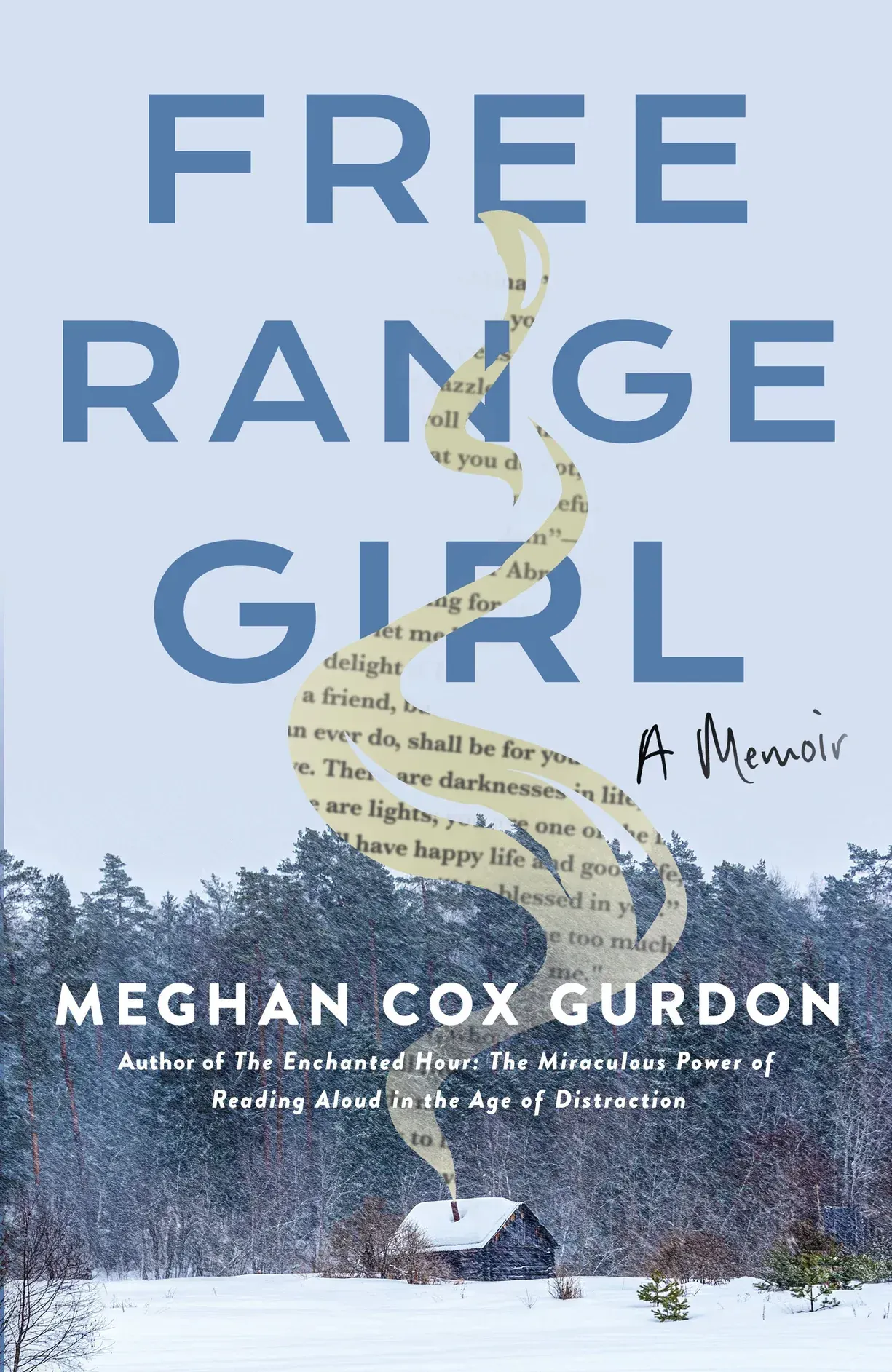
That vanished, lawless, and utterly magnificent American childhood is the beating heart of Free Range Girl, a powerhouse new memoir by Meghan Cox Gurdon.
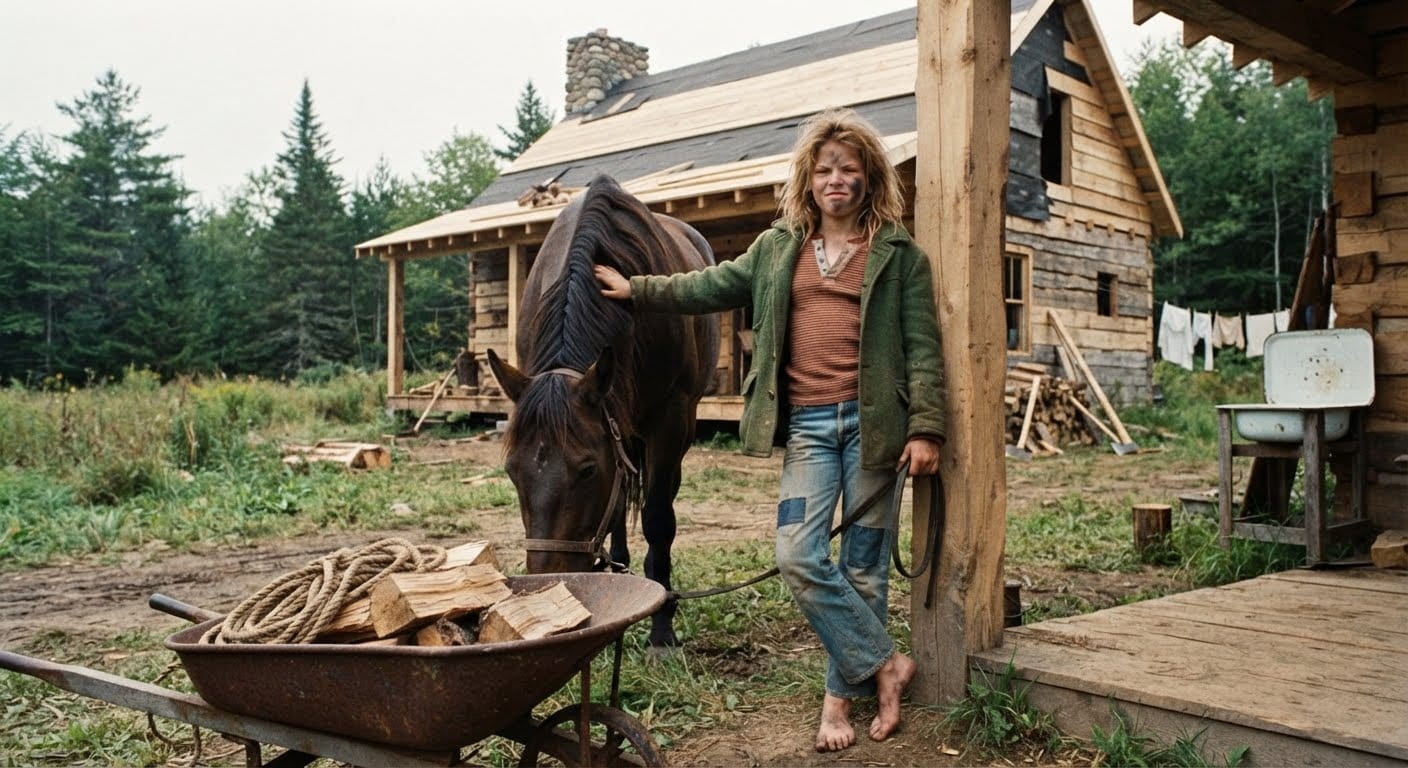
The premise sounds like something cooked up in a Hollywood writers' room, but every single bit of it is real. It is 1976, and Meghan is twelve years old. Her father is a true believer in the back-to-the-land movement—one of those stubborn, idealistic, deeply eccentric dreamers of the late sixties and seventies who looked at modern consumer culture and decided to opt out. He drags his daughter to rural Maine, buys a patch of raw land, and builds a house with his bare hands. And by house, think rough. No electricity. No indoor plumbing. Nothing but wood, nails, and a fierce desire for absolute independence.
To the local Mainers—rugged, pragmatic folks who actually knew how to survive a brutal winter—these utopian newcomers were regarded with deep skepticism. They were "From Away." They were a walking comedy routine of well-meaning hippies playing pioneer until the first big freeze arrived.
But for twelve-year-old Meghan, this wasn't an ideological statement. It was just daily life.
The anecdotes packed into this book are absolute freight trains. At one point, Meghan tries her hand at cooking with a gas stove, messes up the connection, and literally blows her own eyebrows clean off her face. On another afternoon, she walks past a wheelbarrow on the property, looks down, and finds herself staring into the dead, glassy eyes of a severed pig’s head. She learns to ride massive, thundering horses through the woods bareback—no saddle, no stirrups, and not a single piece of protective headgear in sight. And in perhaps the ultimate testament to her father’s short-fused genius, she watches him lose his patience with a buzzing alarm clock one morning, pull out a handgun, and execute the device right there on the spot.
Yet, what elevates Free Range Girl from a collection of wild seventies stories into a truly gripping piece of literature is the raw, human undercurrent. The narrative doesn't hide the cracks. Amidst the freedom and the bareback riding, there is a family breaking apart at the seams. There is the agonizing, universal awkwardness of a twelve-year-old girl trying to fit in at a new school where she is already marked as the weird kid from away. And there is a terrifying, bone-snapping accident that sends her to the hospital, threatening to derail everything her father tried to build.
Through all of it, she thrives. Not because her childhood was perfect, but because the lack of insulation forced her to grow a spine.
In a modern world obsessed with bubble wrap, location trackers, and screen-saturated childhoods, Free Range Girl stands as a loud, necessary, and deeply affectionate punch in the face. It is a striking counterpoint to the overparented, tightly managed existence of today’s youth. It is a beautiful, funny, and heartbreaking time capsule of a childhood that could quite literally never happen again.
Free Range Girl is available now. It is worth every single second of your time.