
In the Company of Pandas

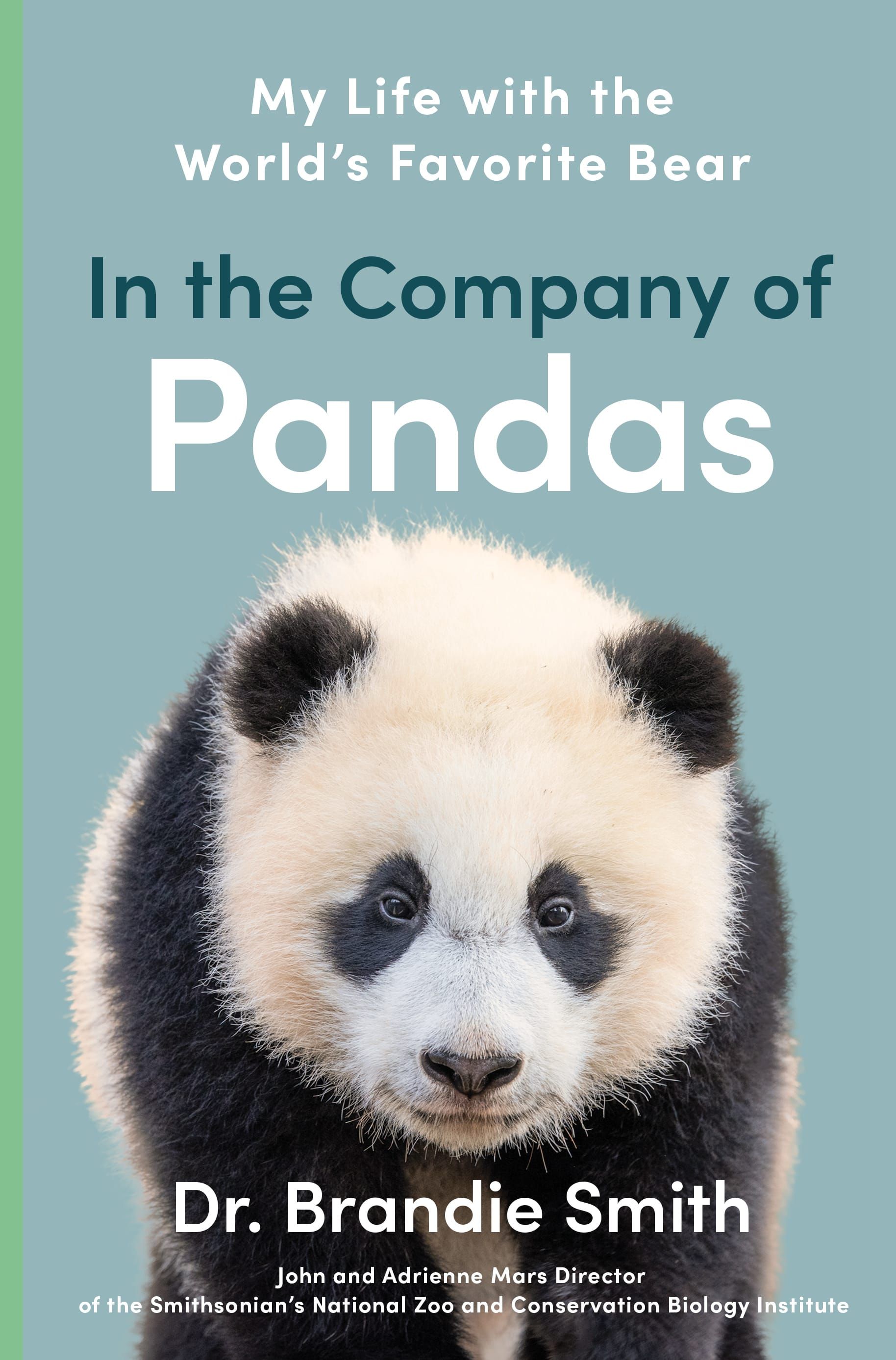
The history of America’s deep fascination with giant pandas began as an act of high-stakes diplomacy in 1972, when the first two bears arrived at the Smithsonian National Zoo as a historic gift from China following President Richard Nixon's historic visit. For over half a century, these animals have served as living bridges between two global powers, capturing the hearts of millions of people who have walked through the zoo’s gates or tuned in digitally from every corner of the planet. In her deeply immersive memoir, In the Company of Pandas: My Life with the World’s Favorite Bear, Dr. Brandie Smith provides a profound look behind the curtain of this enduring phenomenon. Writing from her unique vantage point as the director of the Smithsonian National Zoo, Smith moves far past the casual, surface-level excitement of the public to deliver a thoroughly realistic, emotionally resonant look at what it truly takes to protect, understand, and sustain an endangered global icon.
The book is deeply engaging because it masterfully contrasts the global celebrity of the pandas with their actual, raw biological nature. To the public, pandas are viewed as cute, cuddly, and deeply social symbols of wildlife conservation—an image fueled in the modern era by the immense, round-the-clock popularity of the zoo’s famous "Panda Cam." Smith gently but firmly reshapes this narrative by reminding readers that giant pandas are fundamentally solitary, fiercely independent, and highly sensitive creatures that require a massive amount of structure to thrive in a captive environment. She details the enormous, unending logistical effort required just to keep these massive mammals properly fed on a daily basis. In particular, she highlights the grueling, unglamorous challenge of sourcing, inspecting, and preparing an endless, massive supply of fresh bamboo, which makes up roughly ninety-five percent of a panda's daily diet. Because pandas possess the digestive tract of a carnivore but survive almost entirely on a low-nutrient plant, they must consume vast quantities of stalks and leaves every single day just to maintain their energy. By highlighting these raw, exhausting operational demands, Smith gives readers a completely fresh appreciation for the dedicated, muddy-booted staff working tirelessly behind the scenes to keep the animals healthy.
A significant and deeply fascinating portion of the narrative focuses on the incredibly complex and fragile science of giant panda breeding, a topic Smith handles with impressive clarity and narrative tension. She walks readers through the immense, high-stakes hurdles of zoo-based propagation, detailing the stressful biological reality that female pandas are only able to conceive during an incredibly brief window of ovulation that occurs just once a year, often lasting for only twenty-four to seventy-two hours. Smith recounts the absolute round-the-clock vigilance required by veterinary teams, keepers, and reproductive scientists during these high-stakes periods, turning what could easily be a dry, textbook lecture on reproductive biology into a suspenseful, emotionally gripping story of scientific perseverance. The book captures the collective bated breath of an entire institution as they track hormone levels, coordinate delicate introductions, and wait months to discover if a pregnancy has successfully taken hold. When a cub is finally born—weighing a mere fraction of a pound and resembling a hairless, pink stick of butter—the narrative shifts into an intimate account of maternal instincts and intensive human care, demonstrating the thin margin between life and death for these fragile newborns.

Throughout these sweeping accounts of science and logistics, Smith consistently honors the distinct, vibrant personalities of the bears she has known and loved across multiple generations. Instead of viewing the animals purely as data points in an international breeding program or as interchangeable representatives of an endangered species, she treats each panda as an individual with its own unique temperaments, intelligence levels, food preferences, and emotional quirks. We see how the zoo staff must continuously alter their positive-reinforcement training styles to match the specific disposition of each bear, proving that effective wildlife conservation is never a rigid, one-size-fits-all endeavor. One panda might approach a training session with calculating, treats-oriented intelligence, while another displays a playful, stubborn curiosity that completely upends a keeper's schedule. This personal, character-driven focus helps explain exactly why these specific animals evoke such an intensely emotional connection from people all over the world, transforming them from mere zoo exhibits into beloved family members in the eyes of the public.
Beyond the walls of the enclosures, Smith also takes readers into the complex world of international wildlife diplomacy, where pandas serve as powerful ambassadors. Because every giant panda in an American zoo is technically on loan from the Chinese government, their care requires an extraordinary level of ongoing collaboration, trust, and shared scientific research between nations. Smith navigates these accounts with professional grace and genuine humility, illustrating how a deeply rooted, mutual love for an animal can create meaningful, lasting bridges across complex political landscapes and cultural divides. Her stories regarding the intense logistics of transporting these sensitive, heavy animals across oceans on specialized aircraft and managing international public expectations highlight the sprawling, collaborative network of diplomats, scientists, and caretakers who work untiringly behind the scenes to ensure the species has a future.
Ultimately, the memoir shines because of the immense humility, warmth, and dedication found in Smith’s writing voice. She expertly connects the local, muddy realities of shifting heavy bamboo and monitoring newborn cubs to the grander stage of international diplomacy and global conservation strategy. The narrative does not rely on cheap sentimentality or artificial drama to capture the reader's attention; instead, it relies on the quiet, steady power of focused, compassionate environmental stewardship. In the Company of Pandas stands as a profound testament to what can be achieved when humanity dedicates its best scientific minds and deepest personal devotions to protecting the natural world, leaving readers thoroughly educated about the species' difficult past and genuinely inspired about their future.
-30-