
Life and Lobster


The air in Portland, Maine, smells of salt, kelp, and diesel exhaust—the distinct, unglamorous perfume of a working waterfront. For Jim Tselikis and Sabin Lomac, this smell was the backdrop of their youth, an olfactory anchor tied to memories of summers hauling traps and cracking claws on weathered wooden docks. But nostalgia, by itself, is a poor currency. You cannot pay rent with a memory of the Atlantic, and you certainly cannot build an empire on sentimentality.
When the two cousins packed up and headed west, chasing the improbable dream of transplanting the authentic Maine lobster roll to the sun-bleached asphalt of Los Angeles, they were walking into a landscape that was indifferent, if not outright hostile, to their vision. In the high-stakes, brutal theater of American food service, most newcomers drown quietly within the first year. Jim and Sabin refused to go under, but the price of survival was steep, defined by relentless, grinding labor and a stubborn refusal to accept defeat.
To understand how Maine’s Best LLC—better known to the world as Cousins Maine Lobster—transformed from a shaky, cash-strapped mobile operation into a billion-dollar national juggernaut, you have to look past the gloss of their eventual triumph. You have to look at the ugly geometry of entrepreneurship. It is an arena where risk is absolute, where a single miscalculation can wipe out years of sacrifice, and where the line between calculated audacity and sheer foolishness is razor-thin.
Their trajectory took a sharp, volatile turn when they stepped onto the set of Shark Tank. Facing a panel of skeptical, deep-pocketed investors under the unforgiving glare of studio lights, they weren't just pitching a product; they were laying their entire livelihood on the line. They didn't mask the struggle with corporate platitudes. They brought raw honesty about the 80-hour workweeks, the debt, and the crushing weight of uncertainty. That candor resonated. Barbara Corcoran bit, and the partnership injected rocket fuel into a brand that was already straining against its own momentum.
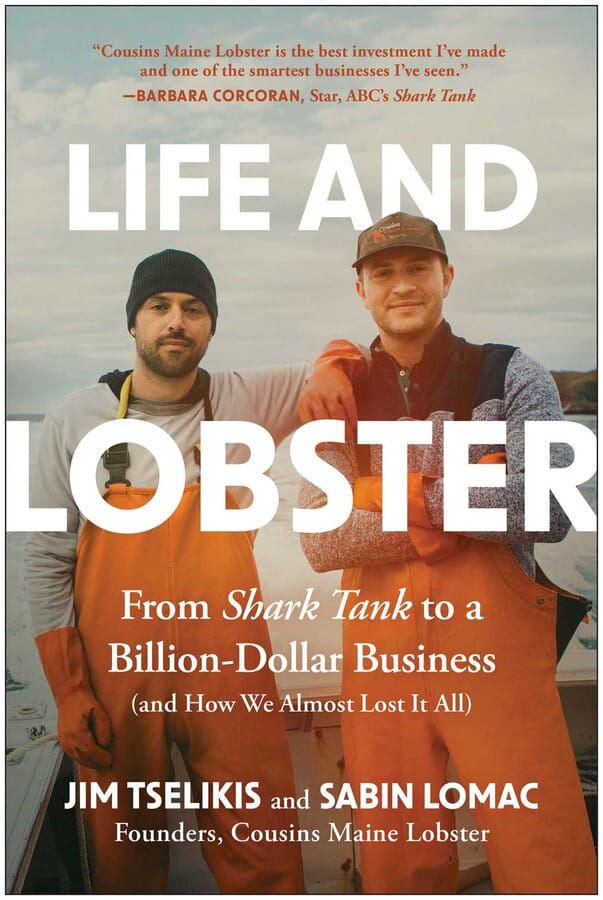
Yet, external capital is merely a catalyst; it cannot substitute for internal grit. In their new book, Life and Lobster, Tselikis and Lomac strip away the mythology of overnight success to deliver an unvarnished manual for survival in the modern marketplace. They dissect the anatomy of their setbacks—the logistical nightmares, the fractured partnerships, and the terrifying moments when bankruptcy loomed closer than success—not as cautionary tales, but as necessary waypoints on the map.
Writing with the clear-eyed pragmatism of men who have stared down financial ruin, the cousins examine the friction points that destroy most family-run enterprises. Working with blood relatives is a crucible; it tests loyalty, ego, and boundaries in ways that corporate boardrooms never will. They lay bare how they navigated those familial minefields without sacrificing their relationships or the business. Furthermore, they offer a blueprint for cultivating psychological resilience—the capacity to absorb a devastating blow, recalibrate, and push forward into the teeth of the gale.
Ultimately, Life and Lobster is less of a traditional business guide and more of an exploration of human endurance under pressure. It is about the willingness to step to the edge of a cliff, take the leap, and trust that the mechanics of hard work and preparation will catch you. For anyone staring down their own impossible venture, this book serves as an honest, sobering, and ultimately empowering dispatch from the front lines of American commerce.