
Take My Word For It

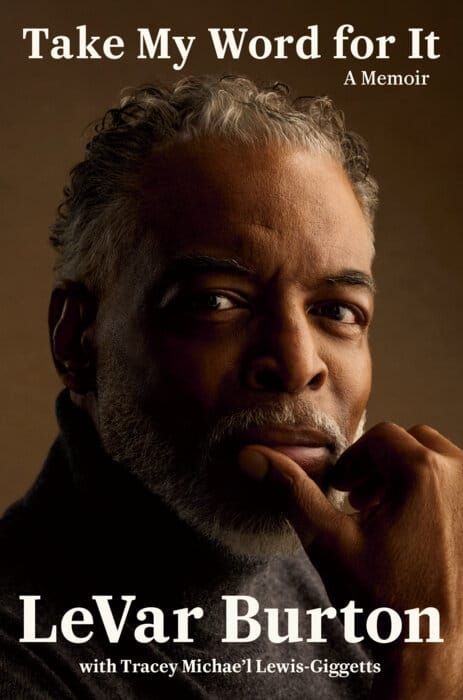
The ultimate champion of reading is finally telling his own story. For decades, an entire generation of kids sat crisscross-applesauce in front of their living room TVs, waiting for a friendly man in a denim jacket to look into the camera and say, "But you don't have to take my word for it." Through Reading Rainbow, LeVar Burton became a trusted guide who opened up new worlds for millions of children. Now, in his deeply moving new memoir, Take My Word For It, Burton asks us to put that same trust in him as he opens up the pages of his own life.
This isn't your typical, shiny Hollywood tell-all written to settle old backstage scores, drop celebrity gossip, or boost an aging star's ego. Instead, Burton has written an honest, deeply thoughtful self-portrait. He pulls back the curtain of show business to show the real, complicated person standing behind the fame. It turns out that while Burton was teaching millions of kids how to understand the world through the magic of books, he was quietly fighting his own tough personal battles far away from the warm glow of the studio lights.
The book smoothly walks readers through the major chapters of a remarkable American life. Long before he put on Geordi La Forge's famous gold visor on Star Trek: The Next Generation or broke the nation's heart as Kunta Kinte in the landmark miniseries Roots, Burton was simply a young Black boy growing up in Sacramento, California. He was raised by a strong, fiercely determined single mother during the height of the Civil Rights Movement, and her unwavering strength anchors the entire book.
Rather than treating his childhood as just a quick prologue to his Hollywood success, Burton explores those early years as the place where he truly woke up to the world around him. He writes with clear eyes and deep tenderness about both the pain and the progress of that era. Living through the turbulence of the 1960s and 1970s meant watching historic battles for racial equality play out right outside his front door. Burton shows how those everyday realities—the pride, the fear, and the constant push for dignity—shaped the kind of artist and human being he would eventually become.
What truly sets Take My Word For It apart from standard celebrity memoirs is how open and vulnerable Burton is about his craft. For him, acting was never just a regular job, a hobby, or a ticket to wealth and fame. Instead, he describes it as something much deeper—a way of stepping completely outside of himself. Early in his life, stepping into someone else's shoes gave him a necessary safe space away from his own painful memories and personal struggles. Becoming another character allowed him to process emotions he didn't always know how to handle in his real life.
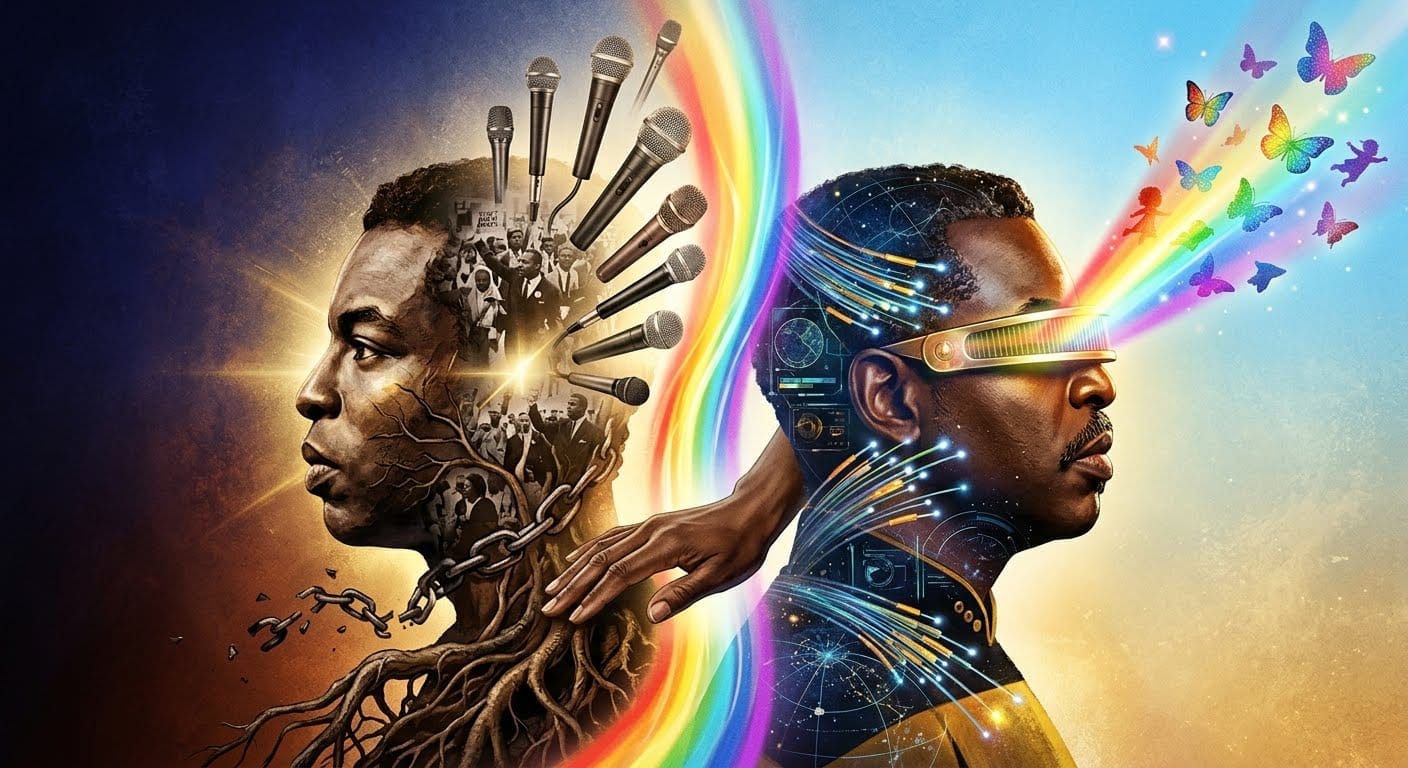
Still, Burton refuses to hide behind his famous roles or let his TV characters do the talking for him. One of the strongest parts of the book is how bravely it tackles the messy, unscripted challenges of ordinary adulthood. Fans often see Burton as a permanent symbol of calm, optimism, and joy, and carrying that public expectation isn't always easy. In these pages, he gets honest about the real friction that comes with being a husband, the scary vulnerability of becoming a parent, and the everyday stress of running a household. By sharing his doubts, mistakes, and private anxieties, he reminds readers that even our childhood heroes have to figure out life one day at a time.
Throughout the book, Burton weaves in personal family photographs that make the reading experience feel even closer to home. These aren't slick, airbrushed publicity stills taken by studio photographers. They look and feel like pages pulled straight from a cherished family scrapbook, capturing quiet moments, proud milestones, and the everyday people who shaped him behind the scenes.
As the memoir moves toward its final chapters, it expands from a personal life story into a bigger reflection on history and legacy. Burton constantly looks back at the past, asking tough, meaningful questions about what we owe to the generations who came before us—especially the ancestors who fought and bled for basic freedoms. Just as importantly, he asks what we owe to one another right now. He makes it clear that his lifelong dedication to children's literacy, fairness, and equal opportunity isn't some clever branding strategy cooked up by a publicist. To him, helping others find their voice through reading is a personal responsibility—a debt of gratitude he feels honor-bound to pay forward.
Take My Word For It is a warm, generous, and beautifully written triumph. By the time you reach the final page, it becomes clear that this beloved storyteller’s greatest, most inspiring narrative was never broadcast on television—it was the life he was living all along.
-30-