
The Absent Woman

Today, it is common for writers to treat their lives like open books—or rather, like boutique gift shops, selling every passing trauma and breakfast choice for a quick burst of online validation. Against that backdrop, Janet Malcolm stood out for her fierce commitment to privacy. She was a giant of American journalism, a longtime New Yorker writer whose sentences had the cool precision of a surgeon’s scalpel and the devastating accuracy of a heat-seeking missile. Yet while her famous peers—like the coolly mournful Joan Didion or the fiercely intellectual Susan Sontag—became recognizable pop-culture icons, Malcolm deliberately stayed out of the spotlight. She put herself into her famous articles, yes, but only as a necessary tool to tell the story. She was the detective at the crime scene, never the victim and never the celebrity guest.
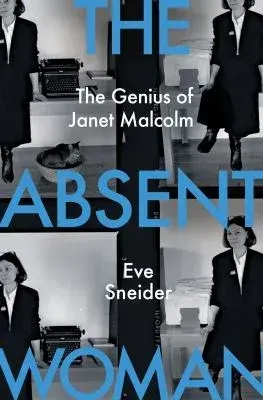
Now, writer Eve Sneider has arrived with The Absent Woman, a biography that pulls off a daring intellectual heist: it turns Janet Malcolm’s own sharp investigative methods back on Malcolm herself. As one of the first researchers allowed to dig through Malcolm’s private papers, Sneider has written a book that reads like a deep psychological mystery. The result is a lively, smart look into a literary phantom who spent sixty years hiding in plain sight.
Sneider organizes this investigation around the many different roles Malcolm played throughout her life: immigrant, humorist, photographer, observer of therapists, courtroom defendant, writer, artist, and archivist. It is a clever, fragmented way to tell a life story, and it fits Malcolm well. After all, Malcolm never believed that a person’s identity was one solid, predictable thing; she saw human personality as a shifting, suspicious construction project. By sorting through old drafts, private letters, and interviews with the few people who managed to get close to the famously guarded writer, Sneider traces the obsessions that powered one of the most brilliant careers in modern journalism.
Everything that fascinated Malcolm is laid out clearly in Sneider’s book. We watch Malcolm examine the art of photography, the world of therapy, and the impossible puzzle of how people shape their own versions of the truth. Naturally, Sneider also takes us back into the messy, decade-long legal battle between Malcolm and Jeffrey Masson, a former psychoanalyst who sued her for libel over a few condensed quotes in a New Yorker profile. It was a public trial that easily could have ruined her career. Instead, it cemented her reputation as journalism’s most brutally honest thinker.
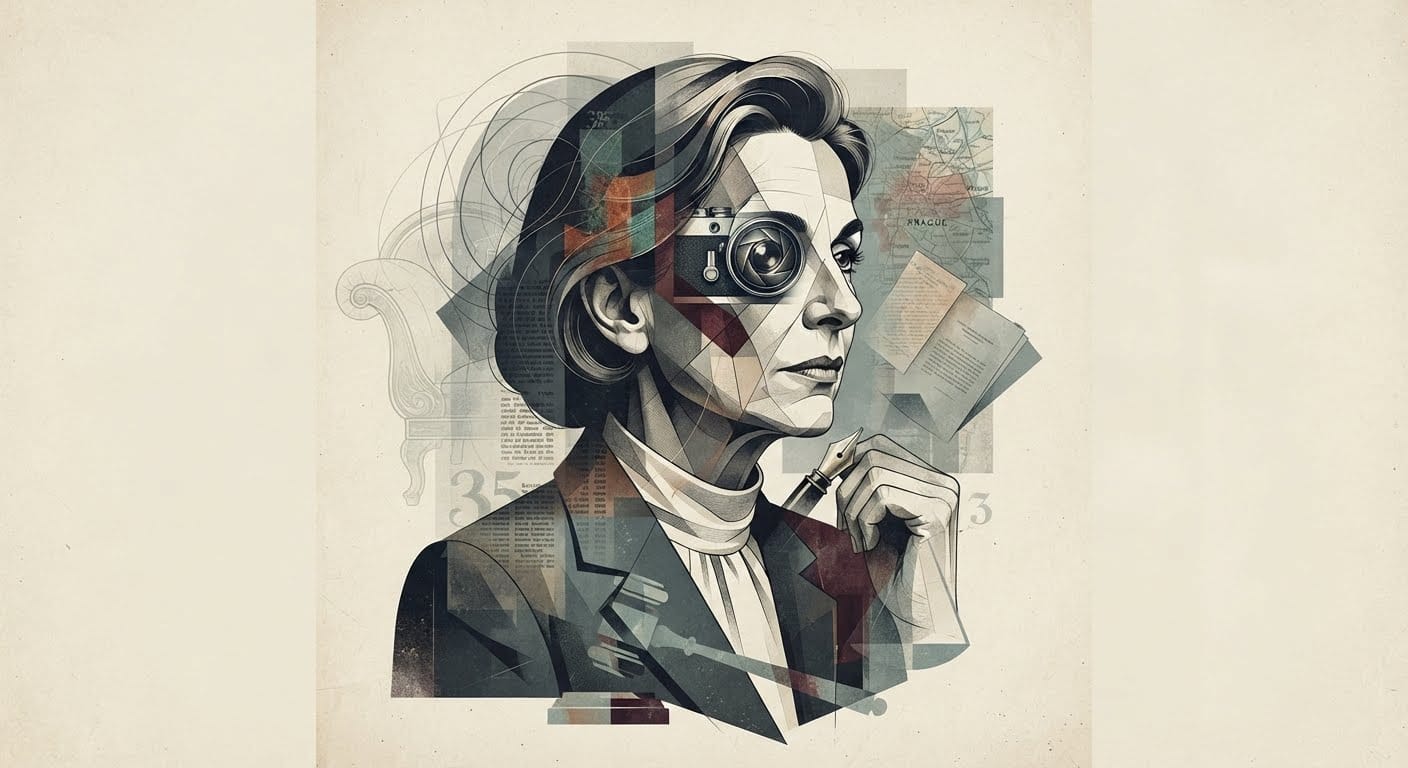
It was Malcolm, after all, who exposed the uncomfortable reality of her own profession in the famous opening lines of her book The Journalist and the Murderer. She declared that any reporter who is not too stupid or too full of himself to notice what is going on knows that his work is morally indefensible. To Malcolm, writing about another human being was always a form of betrayal, because a writer inevitably shapes a real person into a character to fit a story.
This tension is what lifts Sneider’s book from a simple fan tribute into something genuinely exciting. The Absent Woman has to walk the exact same ethical tightrope that Malcolm walked for decades. How do you write an honest biography of a woman who believed that writing biographies was a form of theft? Sneider handles this contradiction with skill. She keeps a smart, critical distance from her subject while still showing clear admiration for Malcolm’s piercing intelligence. Most importantly, she investigates the investigator without falling back on the cheap, armchair psychology that Malcolm hated in other biographers.
The book becomes especially moving when it follows Malcolm’s surprising turn toward writing about her own life late in her career. For a writer who spent decades building fortress-like walls around her personal business, sharing memories of her childhood and family was a shocking shift. Yet as Sneider shows through Malcolm’s private notes, even these personal essays were never meant to be emotional confessions. Instead, Malcolm used her own fading memories as a testing ground to study how time distorts the past and how unreliable human witnesses really are. Her personal life was never the main attraction; it was simply the last raw material she had left to examine.
Ultimately, The Absent Woman captures the central contradiction at the heart of Janet Malcolm: she was a brilliant thinker who used her sharp mind to analyze everything around her, largely so she could avoid looking directly at herself. Sneider has written a biography that feels true to Malcolm’s own spirit—witty, slightly edgy, and deeply skeptical of simple answers. It serves as both a clear guide to a major figure in American writing and a fitting tribute to an artist who understood that sometimes, the most powerful thing a writer can leave behind is a sense of mystery.
-30-