
The Game

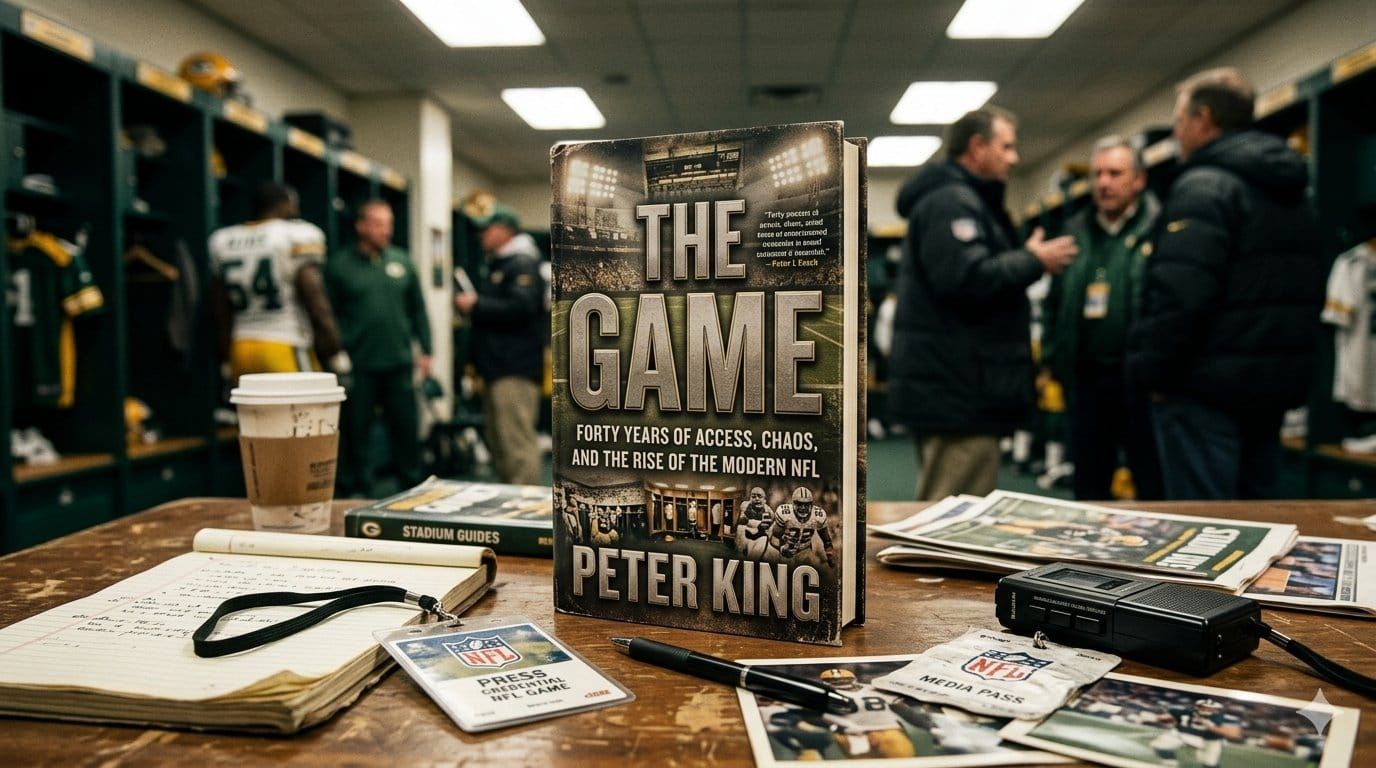
The modern National Football League is a corporate fortress. It is a multi-billion-dollar monolith guarded by hyper-managed public relations armies, clinical press releases, and coaches and athletes trained to say absolutely nothing in fifteen different ways.
But if you flip the clock back thirty years—back to an era of muddy grass, stale locker room coffee, and long-distance phone calls dialed from airport payphones—the NFL felt entirely different. It was loud, chaotic, deeply weird, and profoundly human. And for four decades, there was one man walking those sidelines with a oversized notebook, a rumpled polo shirt, and an insatiable appetite for the small details that everyone else missed.
His name is Peter King.
If you love football, you didn’t just read Peter King; you lived through him. For generations of fans, Monday mornings didn't truly begin until you loaded up Monday Morning Quarterback. You plowed through thousands of words because King offered something that ESPN graphics and talking heads never could: actual, unfiltered humanity. He didn’t just tell you that a quarterback threw three interceptions; he told you what kind of beer that quarterback drank while decompressing in the hotel bar afterward, and the name of the high school coach he called at 3:00 AM to fix his mechanics.
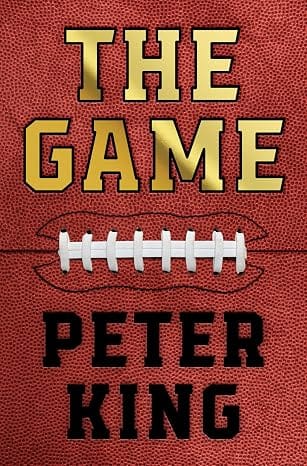
Now, with his definitive book The Game, King has done what he always did best. He took four decades of unprecedented access, stuffed it into a blender, and poured out the definitive, messy, glorious history of the modern NFL.
To understand the genius of Peter King is to understand the art of the hang. Most reporters show up for the press conference, jot down three quotes about "giving 110 percent," and hustle back to the media room. King didn't do that. King stayed. He lingered by the equipment trunks. He talked to the backup guards, the trainers, the third-generation owners, and the dynamic superstars until they forgot he was a reporter and just viewed him as a fixture of the environment.
Because they trusted him, they let him inside the rooms where history was forged.
Take the legendary John Madden. In The Game, King takes us back inside the hallowed, claustrophobic sanctuary of the Madden Cruiser. You can practically smell the reheating Tex-Mex and the stale air as the bus barrels down a dark ribbon of interstate. King doesn't just write about Madden the caricature—the guy shouting "Boom!" on TV. He gives us Madden the philosopher, a man terrified of flying but deeply in love with the geography of America and the eccentricities of the men who played the game.
That is the magic of King’s reporting: it’s found in the bizarre, human margins. We see it in the chapter detailing the 1998 NFL Draft. Everyone knows the historical trajectory of Peyton Manning and Ryan Leaf. But King brings us into the actual room to reveal the absurdity of the process—specifically, how a tanning bed session and a series of meticulously timed push-ups helped solidify Manning’s status as the ultimate, unshakeable savior of the Indianapolis Colts. It sounds like fiction, but it’s just the raw, unfiltered reality of a league driven by paranoia and superstition.
King was there when the modern league was birthed through free agency. He takes us behind the curtain of the Reggie White sweepstakes in 1993. It remains one of the most pivotal moments in sports history, the day the Minister of Defense chose, of all places, Green Bay, Wisconsin. King maps out the chess board, showing how a small-town franchise used a mixture of divine intervention, raw desperation, and the canniest financial structuring you’ll ever hear of to alter the NFL landscape forever.
He was there for the triumph, and he was there for the grueling physical toll. Younger fans see Steve Young as a pristine Hall of Famer, a polished studio analyst. King reminds us of the violence required to get there. He paints a haunting, beautiful picture of Young lying in a sterile training room bed after winning Super Bowl XXIX, an IV dripping fluids into his battered arms. He had just played the greatest game of his life on the grandest stage imaginable, yet he looked less like a conquering emperor and more like a car crash survivor. That is the duality of the NFL that King always understood: the glory is beautiful, but the rent is paid in blood and broken bones.
From Deion Sanders explaining the duality of being a shutdown corner and a marketing genius, to Nick Foles capturing lightning in a bottle when the world expected him instead to drop the bottle, King’s notebooks are an embarrassment of riches.
Yet, The Game isn't merely a nostalgic love letter to the gridiron. If it were, it wouldn't be authentic. King, ever the journalist, fires a fierce warning shot in the book's final acts. He looks at the sport he loves—a sport that has eclipsed baseball to become the undisputed titan of American entertainment—and he calls out the unchecked, rapacious greed threatening to hollow it out. The soaring ticket prices, the gambling partnerships, the relentless commercialization that threatens to alienation the very working-class fans who built the sport.
Peter King spent forty years in the limousines, on the team planes, in the cramped locker rooms, and on the frozen sidelines. He earned every single story through sweat, curiosity, and an unmatched respect for the people who make the game move. The Game is his statement. It’s a reminder of why we fell in love with football in the first place—not because of the logos or the billion-dollar TV deals, but because of the flawed, brilliant, unforgettable human beings underneath the helmets.