
The Last Flight

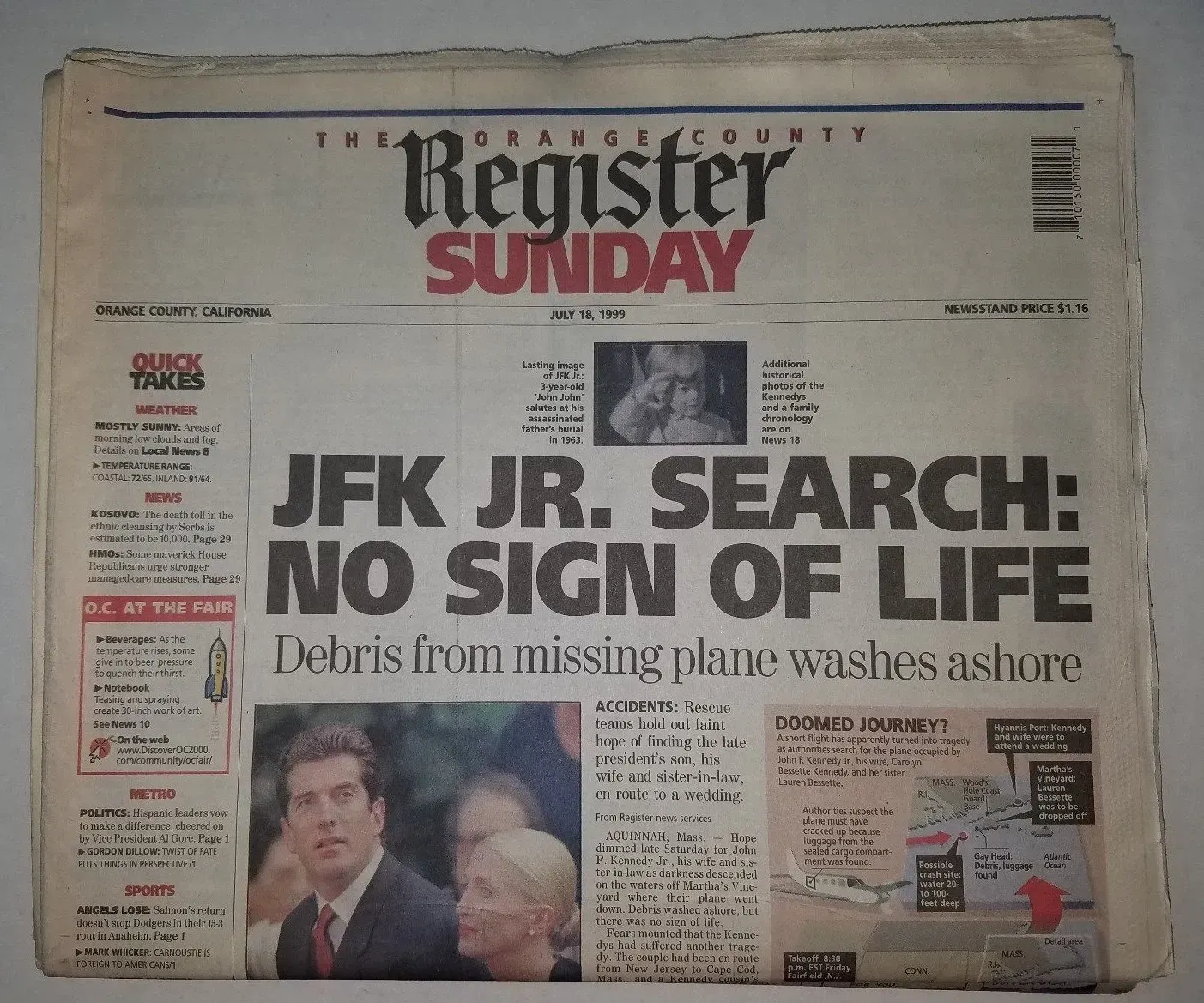
On the evening of July 16, 1999, a heavy, disorienting haze settled over the coast of southern New England. It was a insidious meteorological phenomenon—not a thick, tangible fog, but a milky twilight that erased the horizon and blended the dark Atlantic Ocean seamlessly into the summer sky. Into this treacherous, featureless void flew John F. Kennedy Jr., piloting a high-performance Saratoga light aircraft. On board with him were his wife, Carolyn Bessette-Kennedy, and her sister, Lauren Bessette. Somewhere over the black waters off Martha’s Vineyard, the plane simply vanished from radar screens, plunging into the sea and instantly triggering a national vigil. For days, an anxious global audience watched and waited as an armada of ships and aircraft combed the waves. Yet, the full, unvarnished story of what actually transpired in the frantic days immediately following that fatal plunge has long remained obscured behind a wall of media sensationalism and official bureaucratic curation. Until now.
To understand the mechanics of what followed is to understand a unique pathology of American crisis—where celebrity, tragedy, and the immense, unforgiving power of nature collide. In The Last Flight, Captain W. Russell “Russ” Webster, the Coast Guard commander thrust into the absolute center of the storm, teams up with historian Theresa Mitchell Webster to pull back the curtain on this harrowing chapter. Together, they provide a meticulous, investigative autopsy of a high-stakes, emotionally charged mission to locate the shattered wreckage and recover the bodies. Relying heavily on raw, firsthand accounts, deeply buried official reports, and newly uncovered technical insights, this gripping narrative dissects the unprecedented, often volatile coordination between the Coast Guard, the United States Navy, and the National Oceanic and Atmospheric Administration (NOAA). It was a frantic, desperate race against time, technological limitations, and the utterly indifferent machinery of the North Atlantic.

But journalism demands that we look past the clean, official press releases to examine the messy, human world beneath. Beyond the sanitizing headlines lay a far more complicated and volatile reality. The authors reconstruct a powerful, exhausting drama defined by sleep-deprived rescuers, clashing interagency egos, immense political pressure from the highest levels of the federal government, and quiet, unsung acts of heroism performed in the dark.
The pressure on the ground and at sea was immense, bordering on the claustrophobic. The media circus that descended upon Cape Cod and Rhode Island created an atmosphere of frantic urgency, warping the cold, clinical realities of a maritime search operation. From the entry-level sonar operators straining their eyes through green-glowing monitors to the elite Navy divers preparing to drop into the cold, pitch-black depths of the ocean floor, every individual involved was acutely aware of the stakes. Commanders at the helm were forced to navigate impossible ethical and logistical decisions, balancing the safety of their crews against the relentless demands of a grieving nation and an aggressive press corps. Each person played a specific, agonizing role in what ultimately devolved into the largest, most technologically complex, and most expensive search and recovery operation ever mounted for private citizens in a small airplane.
Blending a rigorous, narrative history with the sharp, forensic depth of a complex accident investigation, The Last Flight does not shy away from the deeply uncomfortable, unanswered questions that still hover over the disaster. It explores the psychological phenomenon of spatial disorientation—the deadly trap where a pilot’s inner ear betrays them, making down feel like up until it is tragically too late—while offering a compelling, clear-eyed perspective on one of America’s most haunting modern tragedies. It examines how the hubris of human engineering and ambition so often crumbles when faced with the stark, unyielding parameters of bad weather and pilot limitations.
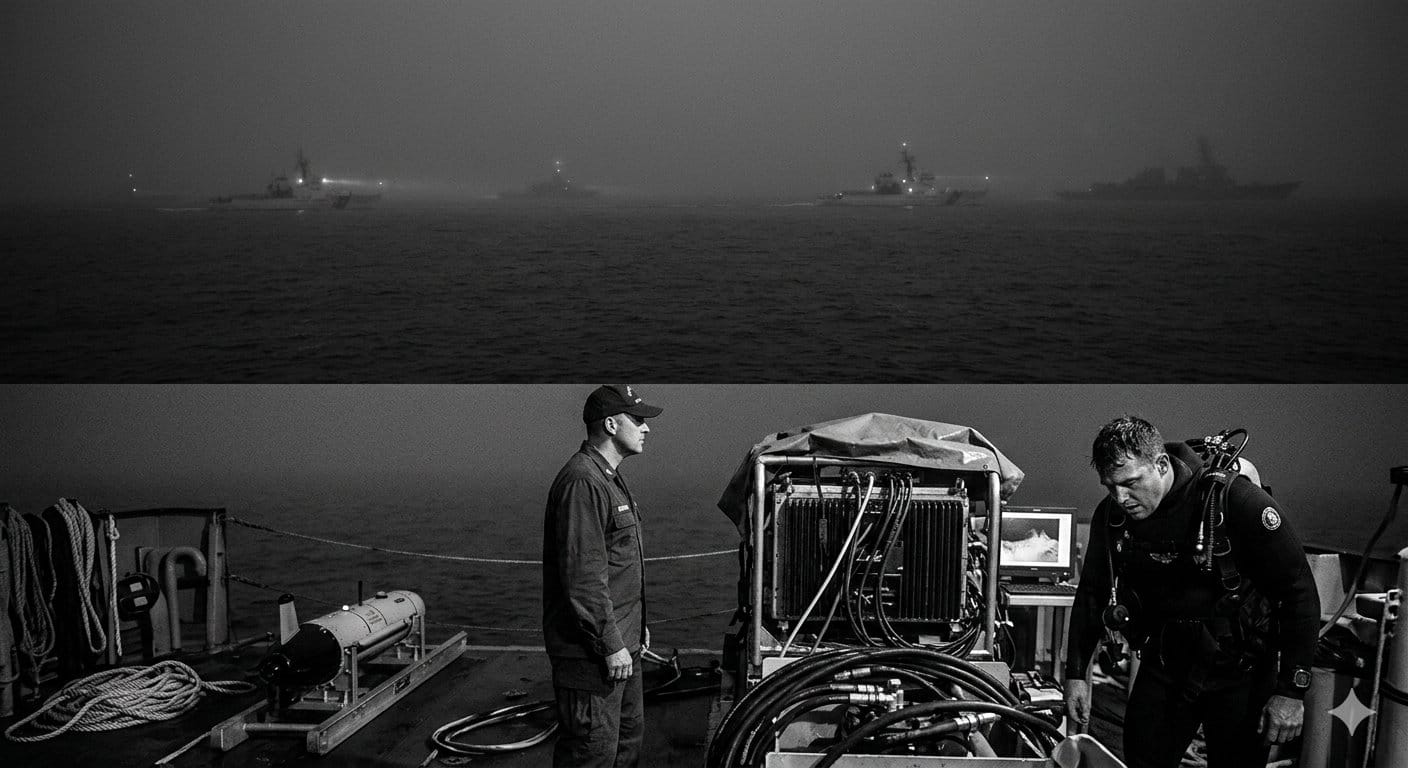
Ultimately, this text functions as both a pulse-pounding, minute-by-minute account of a maritime disaster and a deeply moving, solemn tribute to human endurance. This is the definitive, uncompromising story of a mission that forever altered the operational protocols of the modern Coast Guard—and a stark chronicle of a nation that remains hopelessly, tragically captivated by the dark, recurring legacy of the Kennedy family.