
The President and the Oligarch

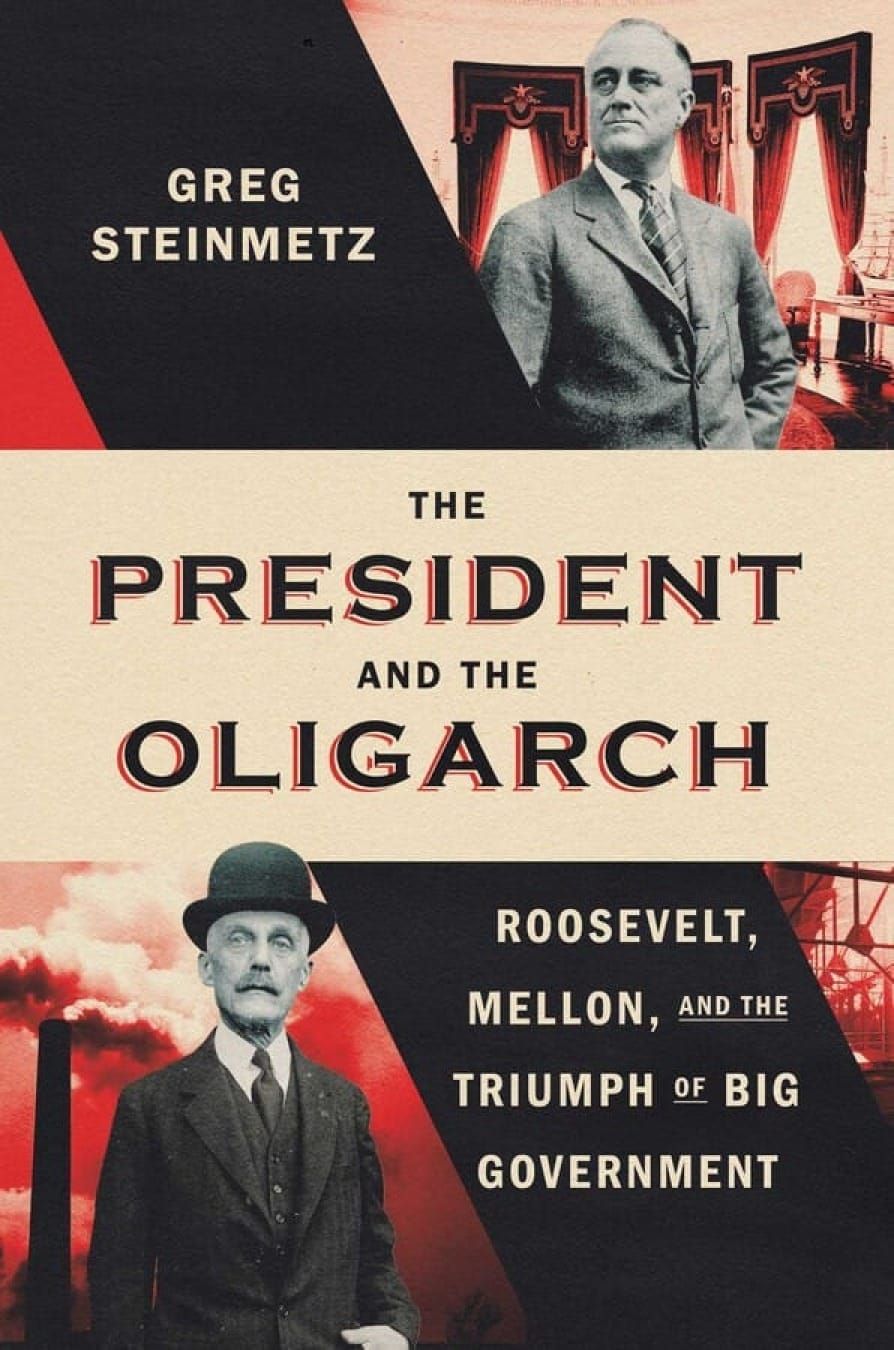
Roosevelt, Mellon, and the Triumph of Big Government
For nearly a century, popular history has maintained a remarkably consistent image of Franklin Delano Roosevelt. He is widely remembered as the smiling, cigarette-holder-wielding savior of a broken nation, the compassionate leader whose warm voice during folksy Fireside Chats provided solace to millions during the darkest days of the Great Depression. He is a fixture near the very top of presidential rankings, celebrated for his expansive vision, his unmatched optimism, and his revolutionary New Deal.
But beneath that beaming facade and the infectious charm lay one of the most ruthless, calculating, and formidable politicians in American history. Behind the curtain of statecraft was an executive willing to weaponize the immense, unprecedented machinery of the federal government to systematically crush his political opponents. In his thrilling and meticulously researched historical exposé, The President and the Oligarch, author Greg Steinmetz pulls back the veil on this darker side of Camelot. Steinmetz explicitly documents how FDR targeted one of America's wealthiest and most powerful citizens, not merely out of personal animosity, but as a deliberate, theatrical strategy to solidify his progressive credentials, distract from his administration's economic shortcomings, and rally popular support for his sweeping social agenda.
The ideal scapegoat for Roosevelt’s populist crusade was Andrew W. Mellon, the former Secretary of the Treasury who had served under three consecutive Republican administrations in the 1920s. At the time, Mellon's very name was synonymous with unfathomable, staggering riches; he was widely regarded as the third-richest man in America, trailing only Rockefeller and Ford. More than any other single individual, Mellon symbolized the unbridled capitalism, deregulation, and soaring wealth of the Roaring Twenties economic boom—as well as the catastrophic Wall Street crack-up of 1929 that followed.
To a suffering public looking for answers, Roosevelt presented Mellon not just as a failed policy architect, but as the primary villain of the American economy. FDR publicly and repeatedly blamed Mellon for the onset and depth of the Great Depression. By transforming the financier into a living caricature of corporate greed, Roosevelt successfully created a convenient diversion. This calculated political theater effectively shifted public scrutiny away from the fact that, despite the dizzying array of alphabet-soup agencies created by the New Deal, federal policies were initially failing to bring jobs back to a devastated, stagnant economy.
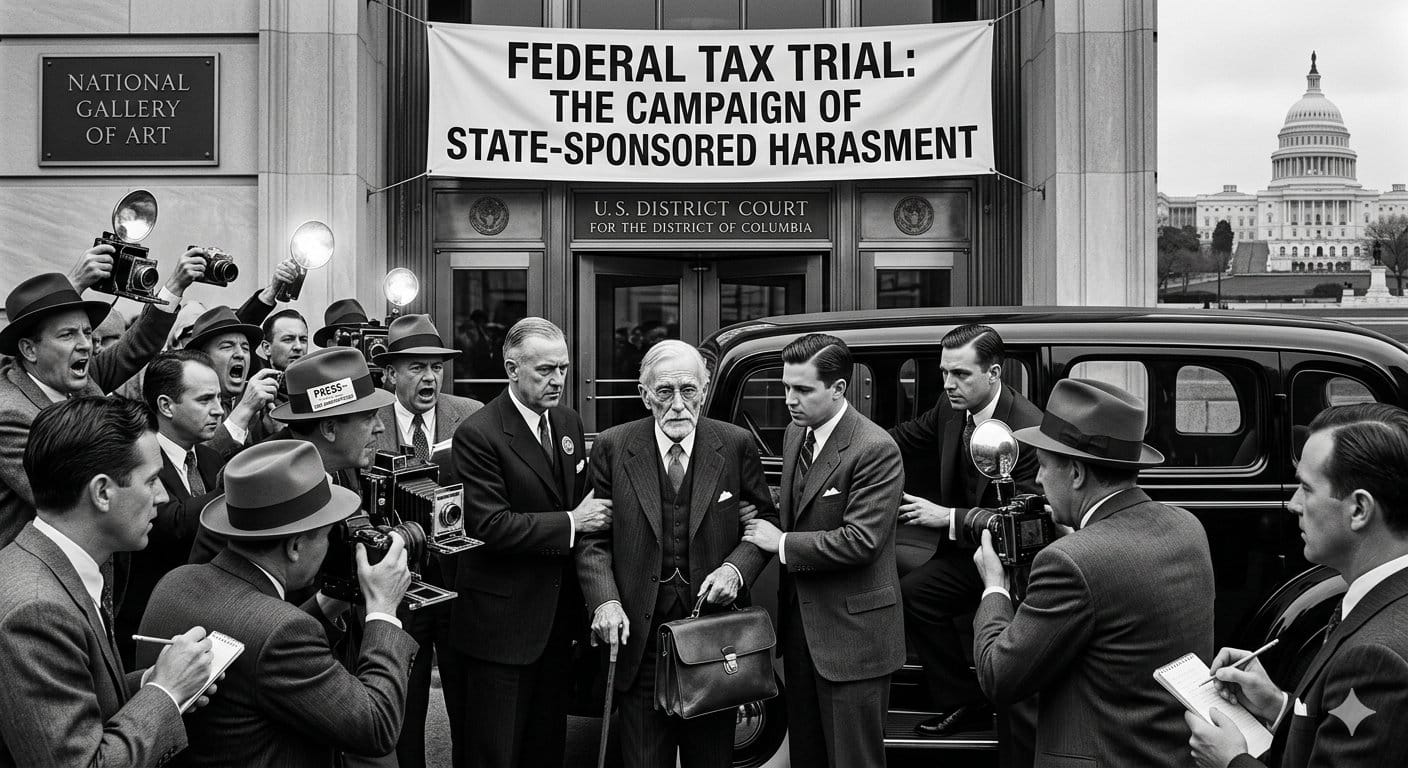
Steinmetz details the chilling extent to which the Roosevelt administration went to break the aging, frail, and increasingly reclusive Mellon. The president did not merely deploy rhetoric; he unleashed the full investigative power of the federal government. Federal prosecutors cooked up dubious criminal tax evasion charges in a naked, highly publicized attempt to put the seventy-nine-year-old former statesman behind bars. When a federal grand jury ultimately bucked the administration’s pressure and refused to indict Mellon, Roosevelt refused to relent.
Instead, the administration pivotally shifted its warfare to civil arenas, dragging Mellon through an exhausting, deeply embarrassing, and agonizingly public trial in federal tax court. The relentless pressure amounted to a campaign of state-sponsored harassment against a citizen. Mellon, physically declining but mentally sharp, spent his final years defending his name against a relentless executive branch. He ultimately died before the official tax court verdict was delivered, but not before a final, jaw-dropping twist occurred in this historic clash of titans—a twist involving Mellon's stunning, parting gift of the National Gallery of Art to the very nation whose government was persecuting him.
Beyond the intimate human drama of two stubborn, powerful men locked in a bitter feud, Steinmetz’s narrative serves as a profound autopsy of a seismic shift in the American system. This shocking book reveals a secret, sinister underbelly of the Roosevelt presidency, demonstrating how the modern executive branch learned to use federal agencies like the IRS and the Department of Justice as political cudgels.
More importantly, it explains the structural turning point where a new era of big government permanently triumphed over the libertarian, laissez-faire economic order that had largely reigned since the birth of the American republic. Through this gripping account of presidential overreach, Steinmetz forces readers to reexamine a foundational era of modern American politics, showing that the birth of the welfare state was accompanied by the rise of an aggressive, punitive administrative state that changed the balance of power between the citizen and the government forever.