
The UPS Man

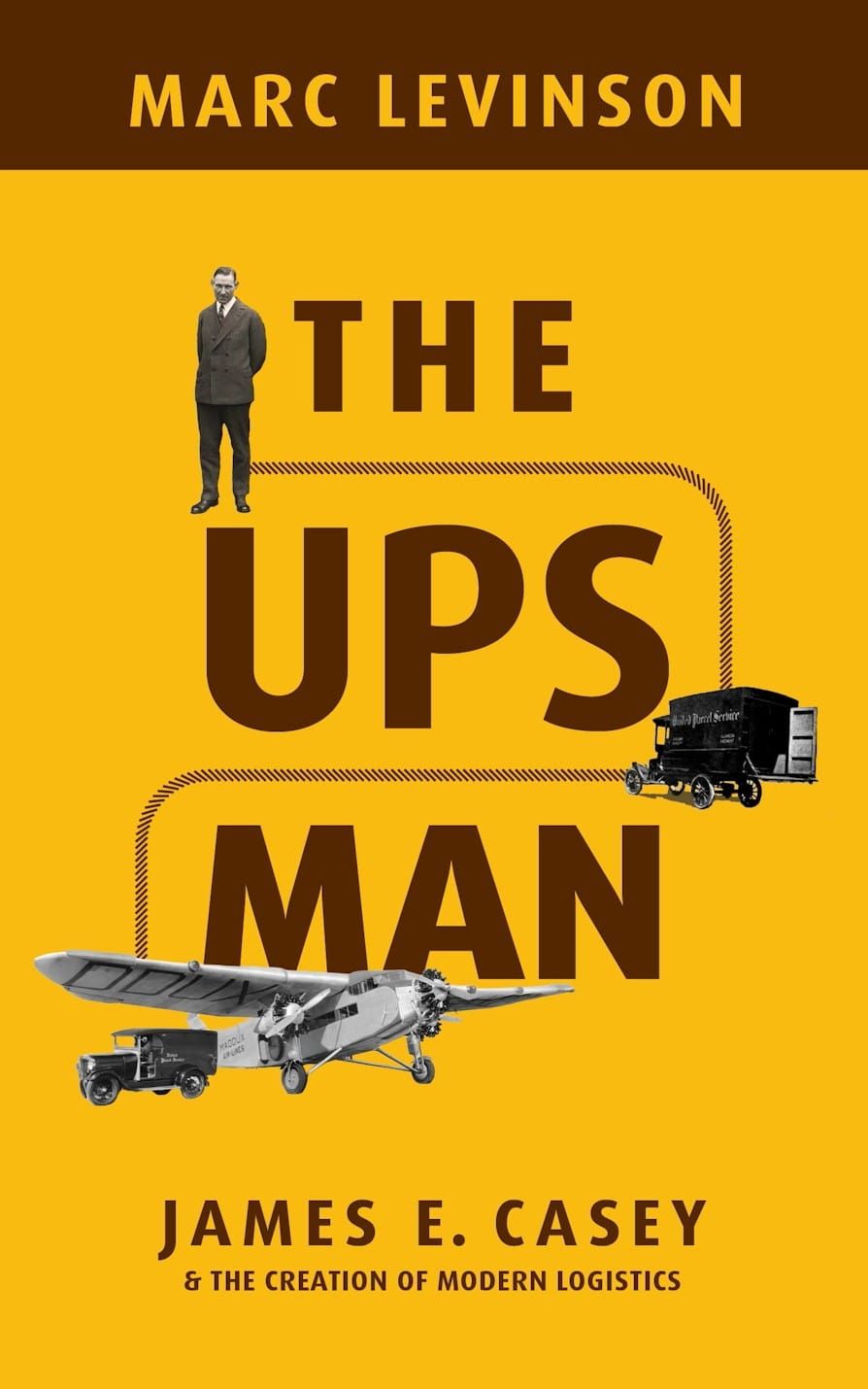
In the summer of 1907, Seattle's streets were a messy mix of dust and horse manure, smelling strongly of the nearby ocean. The city didn't look like the future birthplace of a global powerhouse. It was a chaotic frontier town packed with people chasing the Klondike gold rush, looking to make fortunes in gold and timber. But the real 20th-century revolution wasn't happening in the woods or the mines. It was starting quietly in a damp, windowless basement underneath a Seattle saloon. There, a 19-year-old kid with no money and no connections was getting to work, driven by an almost terrifying amount of discipline.
His name was James E. Casey, and he didn't look like a revolutionary. While famous, loud-mouthed robber barons dominated the era's headlines, Casey was like a ghost. He was painfully shy, soft-spoken, and hated the spotlight. But behind that quiet front was a laser-focused mind. While everyone else saw chaos on Seattle's streets, Casey saw a problem to be solved. He realized that the biggest threat to American business wasn't a lack of goods, but the time and hassle it took to ship them.
In The UPS Man, Marc Levinson tells the definitive story of this mysterious executive. He tracks how Casey spent 76 years turning a six-man bicycle messenger service into the very backbone of modern global capitalism. This isn't a glossy corporate history; it’s the raw story of an obsession. To Casey, a package was a sacred promise that demanded total efficiency.
To appreciate what Casey pulled off, you have to understand how stubborn and corrupt the delivery world was back then. Railroad monopolies called all the shots, and local delivery was a messy gamble run by unreliable wagon drivers. Casey fought this chaos with an aggressive weapon his rivals couldn't match: strict corporate discipline. He cut out every ounce of wasted time and effort. He timed exactly how long it took a driver to step out of a truck, calculated the perfect weight for a package, and wrote rules on the exact way a driver should hold a clipboard.

Slowly and methodically, the company that would become United Parcel Service (UPS) took over the retail delivery market, city by city. Under Casey's quiet leadership, the company did something never seen before. It created a system that could pick up packages from hundreds of thousands of different people and deliver them like clockwork to recipients thousands of miles away. It was a massive organizational feat on par with moving a wartime army, but UPS did it every single day in silence. Eventually, the company expanded overseas to move packages worldwide. Today, Casey's real monument isn't a bronze statue; it's the 300,000 packages delivered every single minute of every single day on highways and in the skies.
But as Levinson shows by digging into overlooked records, this success came with a dark side. Perfect efficiency requires a terrifying amount of power, and power is rarely clean. Casey was an inspiring leader, but he was also a ruthless competitor and an incredibly demanding boss. To conquer distance, he built a corporate culture that demanded total obedience.
Under his watch, UPS did plenty of things the company leaves out of its modern PR today. The path to the top was littered with ruined competitors, crushed labor strikes, and backroom political deals used to bypass the law. Some of these moves were ethically shady, and others were flat-out illegal. They were the dark, hidden foundations of modern shipping—actions that modern employees might not be proud of, but ones that were crucial for the company's survival.
Ultimately, James E. Casey's story is the story of how our modern, interconnected world was built. He was the invisible architect of the convenience we now take for granted—the man who laid the groundwork for an economy where you can buy almost anything from anywhere with a credit card and a little patience. He focused on the smallest details of delivery, and by mastering the small things, he changed the world.
-30-