
Amy Winehouse

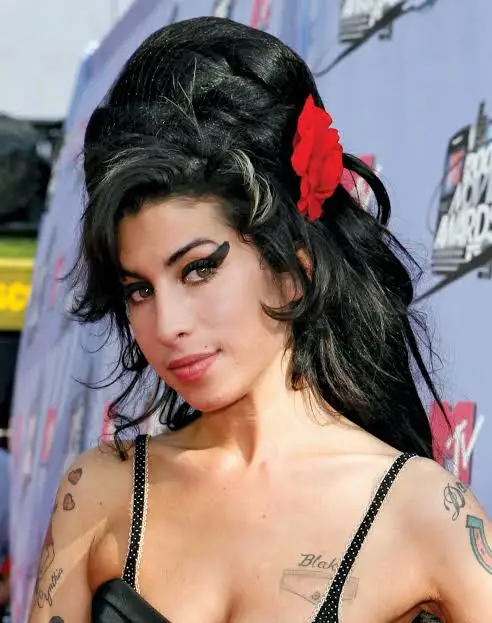
There is a specific kind of cruelty in the way pop culture consumes its most fragile and ferocious talents, chewing them down to the marrow and then acting surprised when there is nothing left. When Amy Winehouse walked into a room, or onto a stage, or up to a microphone, she carried an atmosphere so dense and heavy it felt like an emergency. She didn’t have a stage voice or a radio voice. She had the voice of someone who had lived three lifetimes by twenty-two, who had taken every bruised, lonely, self-destructive impulse and hammered it into pure art.
Long before she was a global phenomenon, she was just a kid from North London with a jazz record collection and a mouth that wouldn't quit. She played guitar like she was picking a fight, treating her instrument as a rhythmic anchor. When her debut album, Frank, dropped in 2003, it announced the arrival of a writer who possessed the sharp-eyed cynicism of an old-school bebop singer and the vulnerable heart of a teenager trying to figure out why her chest hurt all the time. She wasn't playing a character; she was reporting live from the inside of her own messy, complicated mind.
When Back to Black arrived in 2006, it didn’t sound like anything else on the dial. In an era dominated by slick, compressed pop and glossy, sanitized R&B, Amy and producer Mark Ronson built a sanctuary out of vintage girl-group signifiers—the Wall of Sound, the sweeping strings, the snapping snare drum—and then filled it with lyrics that were entirely unhinged from polite convention. People wanted to call her a throwback, a retro novelty act with a beehive and a wing of eyeliner, but that missed the entire point. There was nothing nostalgic about the way she sang about heartbreak. It was too raw, too messy, too violently contemporary. When she sang about a lover leaving for an old flame, she didn’t wrap it in metaphor; she laid out her own undoing with terrifying clarity, transforming private humiliation into public triumph.
Yet, the culture that crowned her also built the scaffold for her execution. Long before streaming algorithms and social media comment sections perfected the art of public surveillance, the British tabloid press and American late-night television treated Amy’s life as a spectator sport. Every stumble outside a Camden pub, every tear tracked through her makeup, was cataloged, mocked, and monetized. Comedians built bits around her addiction. Paparazzi camped outside her flat, baiting her just to get the money shot of a girl coming unglued. We watched it happen in real-time, a collective voyeurism masked as entertainment, pretending we were witnessing a train wreck while we greased the tracks ourselves. We loved the music because it was honest, but we punished the woman for being too honest to survive the machinery around her.
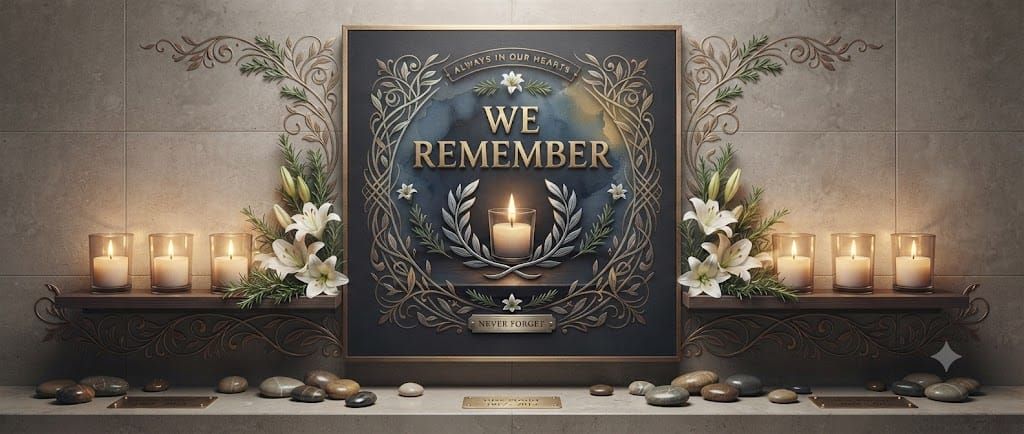
By the time the summer of 2011 rolled around, the air around her felt thin. The industry had taken what it wanted, the tabloids had taken their pound of flesh, and the public had settled into a grim, waiting silence. And then came July 23, 2011. The news arrived like a heavy, suffocating drop, though anyone paying attention knew the ending to the story long before the final chapter was written. She was twenty-seven years old. Just like that, one of the most singular, irreplaceable voices of the modern era was gone, extinguished by a toxic combination of relentless public cruelty, the unforgiving gravity of addiction, and a system entirely unequipped to protect someone who felt everything too deeply.
In the years since her death, the revisionist history has rolled in heavy waves. Documentaries try to reclaim her, posthumous releases pick at the bones of her demos, and a new generation of artists—women writing with that same unapologetic, gut-level candor—cite her as a foundational text. But tributes feel hollow when you remember how the world treated her when she was breathing. Amy Winehouse didn’t want to be an icon; she wanted to sing jazz, drink in her local pub, and love people who weren’t always capable of loving her back.

Her legacy is not just the songs, though "Love Is a Losing Game" and "Back to Black" remain monuments of modern songwriting. Her legacy is the permanent scar she left on an industry that eats its own. She proved that true soul music cannot be manufactured in a boardroom or polished to a corporate sheen; it has to be dragged out of the dirt, bleeding and imperfect. We lost her because the world demanded her brilliance while denying her humanity, a tragic trade-off that we are still repeating today. Long after the beehives and the eyeliner faded into memory, what remains is the sound of a voice that refused to lie, echoing in the quiet spaces left behind by a talent that burned too hot and too bright for any of us to hold.