
Backwater

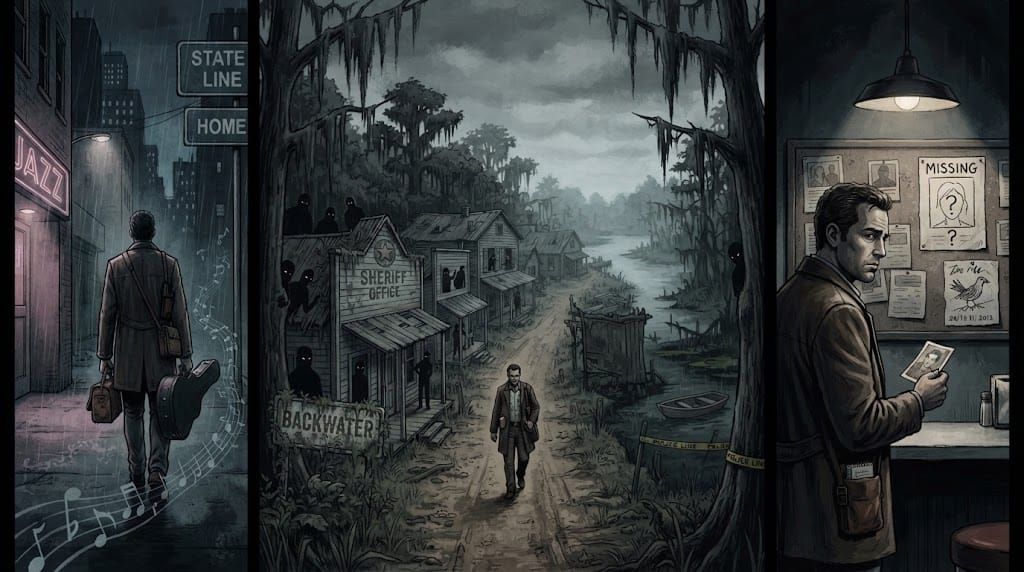
The dust don’t ever really settle in a place like that, not once it gets down deep into the floorboards and the memory of a man. Bishop thought he was done with it. He walked away from the police force, traded the heavy air of the hometown he swore he’d never see again for the smoky corners of a jazz club where a six-string could do the talking for him. But when an old friend from the department calls in a debt with a murder case attached, the past don’t care about promises. You go back. You always go back, even when the town looks like a place where hope went to dry up in the sun.
Only the man who called him is gone, vanished into the humid air without a word, leaving Bishop holding a bag of trouble he didn’t ask for and couldn’t walk away from. Bodies start stacking up like cordwood, and before you know it, he’s wearing his old skin again, sliding back into the rhythm of the work as natural as putting on a pair of boots that already know the shape of your feet.
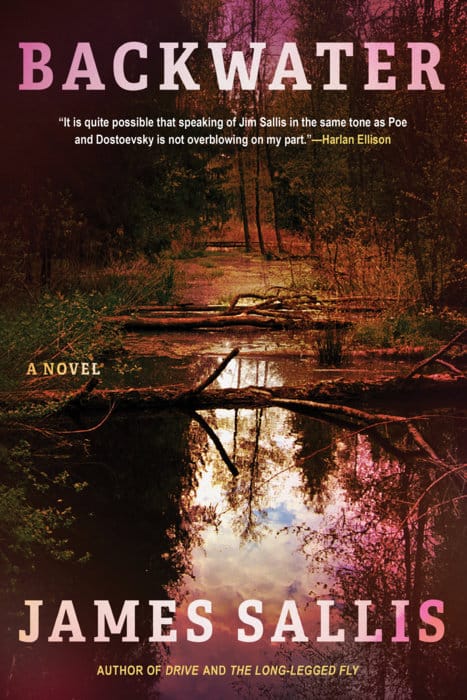
James Sallis didn’t just write a detective story here in Backwater; he wrote about the kind of ghosts that don't need chains to rattle your soul. It’s sharp as a switchblade and heavy with the kind of truth you only find when you start digging through the dirt of who you used to be.
Rest in Peace, James Sallis.