
Don't Cross Mo Ellery

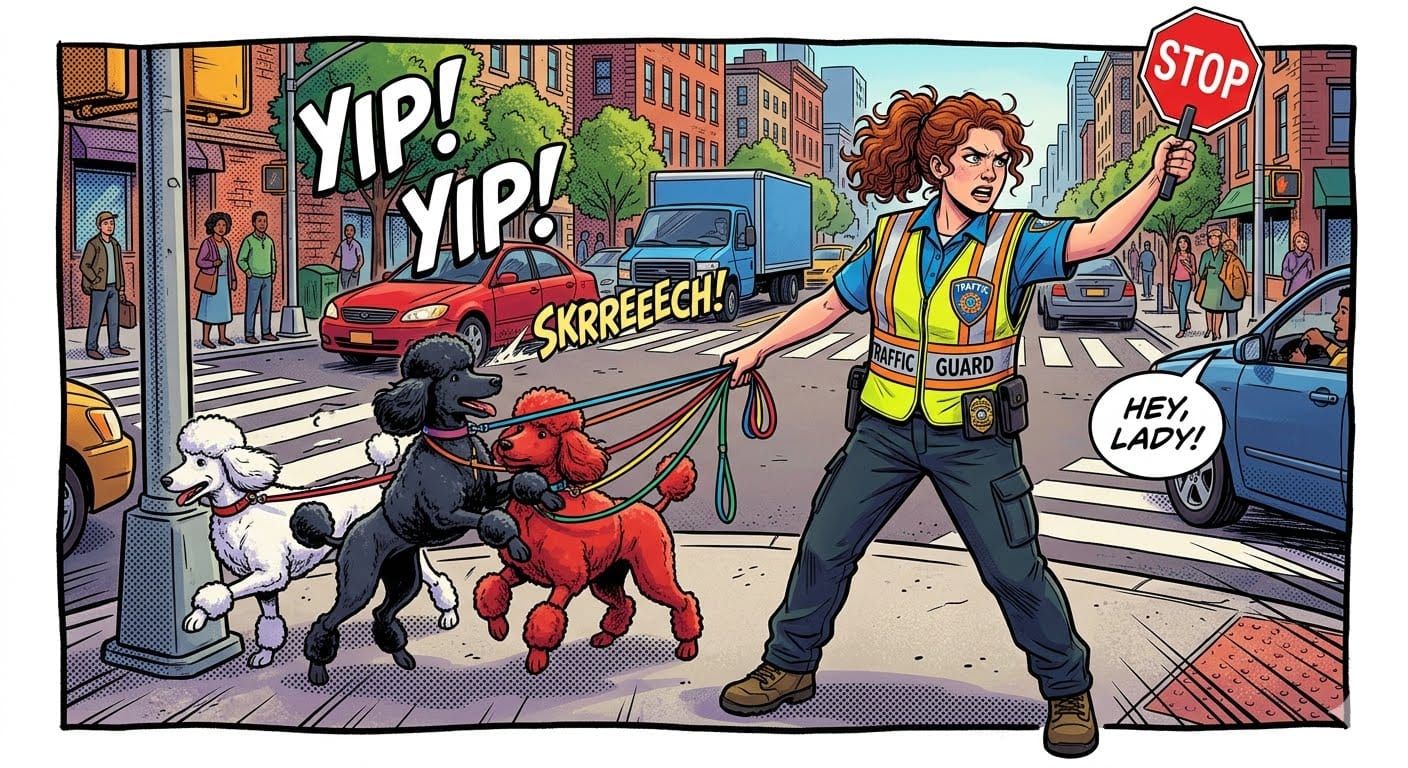
Mo Ellery’s twenty-ninth birthday was an absolute trainwreck. The disaster started with a remote work mishap on a company-wide Zoom call. Mo was sharing her screen during a presentation when her boyfriend, Arthur, walked into the frame completely naked. He stopped to stretch directly behind her, giving the executive team a clear view of his anatomy before Mo could find the button to end the meeting.

The marketing firm's human resources department fired her within two hours for violating the digital conduct policy. Arthur packed his bags that afternoon, blamed Mo for ruining his life, and walked out on their lease. By evening, Mo was sitting on the sidewalk outside her expensive Lincoln Park apartment with three duffel bags and no place to go.
She needed cash and health insurance immediately to avoid a total panic attack. While walking down the block, she noticed a bright green flyer taped to a lamppost advertising part-time openings for school crossing guards. The job came with full medical benefits. Mo figured she could easily stand in the street for a few hours a day and hold a stop sign.
The reality of the job turned out to be incredibly stressful. Her assigned intersection was a chaotic four-way mess in a loud Chicago neighborhood. The paycheck barely covered her cheap studio apartment, but the sudden lifestyle change forced a major personal shift. Leaving her relationship with Arthur opened her eyes to her own bisexuality, and she spent her morning shifts completely distracted by a local barista with an undercut and a woman who jogged past her corner at the same time every day.
The neighborhood regulars kept her busy during the morning rush. An elderly resident named Claudia viewed the crosswalk as a personal battlefield and routinely smacked Mo’s shins with a grocery bag whenever Mo tried to help her cross. A twelve-year-old kid named Marlowe caused constant anxiety by managing crypto trades on a phone while walking blindly toward moving traffic.
Her main source of frustration was a local driver she nicknamed Poodle Dude. He drove a massive luxury SUV through her zone every morning, intentionally ignoring her whistle and flipping her off. Through the tinted glass, Mo could see three highly groomed poodles sitting in the back seat enjoying the chaos.
Everything changed on a Thursday morning when a leaking water main caused the asphalt to collapse. Poodle Dude accelerated to beat Mo's stop sign right as the road gave way, and the SUV plunged nose-first into a deep sinkhole.
Mo dropped her sign and ran over to help. Poodle Dude was dead at the wheel from a severe head injury. While Mo tried to keep the neighborhood kids from looking at the body, she accidentally hit the vehicle's door handle. The rear door popped open, and the three panicked poodles scrambled out and clung to Mo’s legs.
The city couldn't find any immediate family for the driver, so animal control temporarily left the dogs in Mo's care. Her small apartment was suddenly overrun by three high-maintenance animals she couldn't afford to feed.
few days later, a group of vocal neighbors started a rumor that Poodle Dude had been murdered. They believed someone intentionally damaged the street or used the water leak to target him.
Mo doubted the conspiracy theory, but she welcomed any distraction from her unpaid bills and her ruined corporate career. Investigating the death also gave her a reason to talk to some attractive locals, including a quiet mechanic down the street and an activist protesting the city's poor road maintenance.
Her detective work was just as messy as her personal life. She got caught eavesdropping, broke a suspect's patio decoration, and spilled iced coffee all over her notes. The poodles made surveillance impossible by barking at random intervals and refusing to walk on regular pavement.
She was ready to give up on the mystery until a city inspector turned up dead. He was the exact employee who had signed off on the safety reports for her intersection earlier that week.
The second death confirmed that a killer was operating in the area. The police were focused on the wrong leads, leaving Mo to solve the case before the killer noticed her questions. She had to rely on her corporate organization skills, her new neighborhood connections, and pure survival instinct to fix the mess.