
Experienced

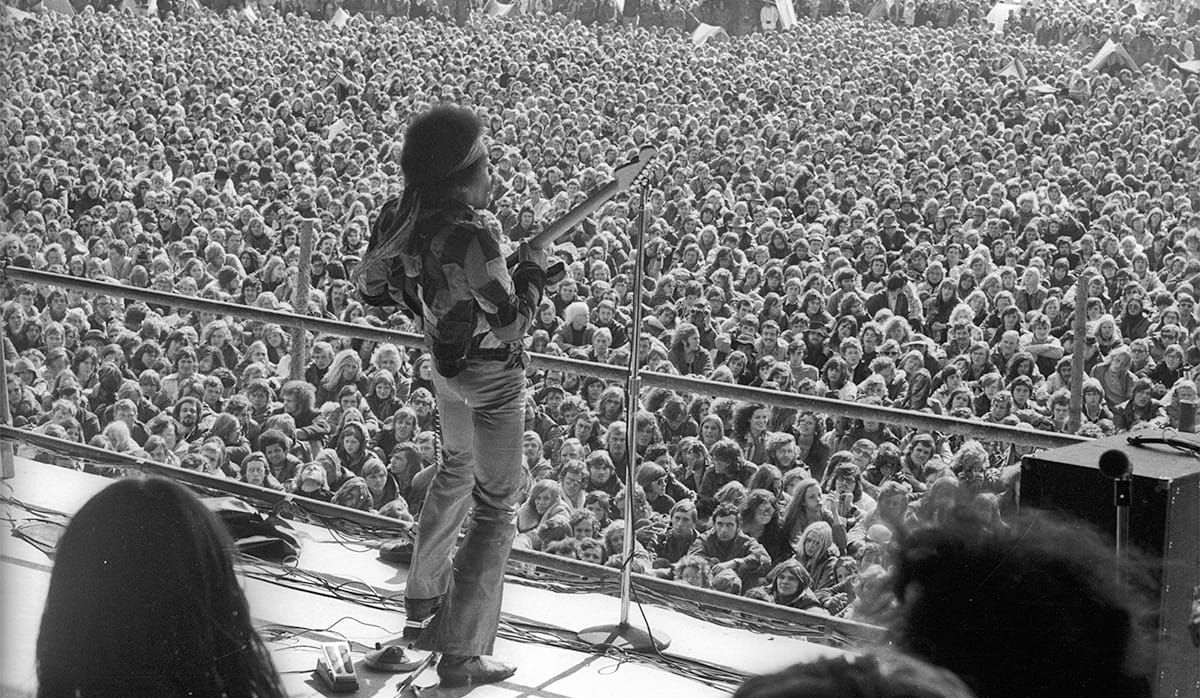
Listen. You think you know the noise. You sit there in your sanitized, digital pod, streaming twenty-four-bit remasters of songs recorded when the world still had teeth, and you think you understand what it meant when the sky tore open. You don’t know a damn thing. You weren’t there when the vacuum tubes screamed in agony, when six strings became a high-voltage wire wired straight into the cerebral cortex of a generation that was burning itself alive.
But Eric Barrett was there. He didn’t just watch the fire; he was the guy keeping the arsonist supplied with matches.
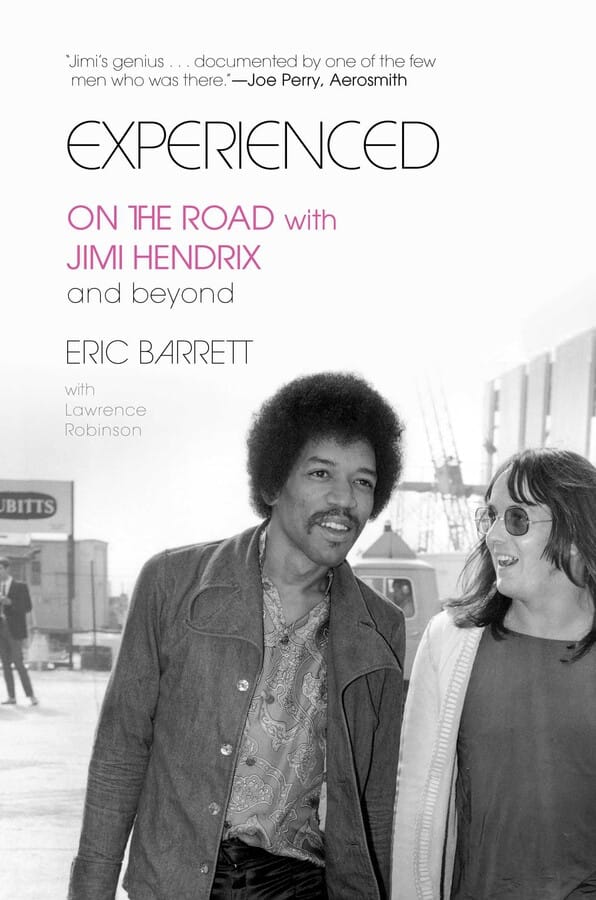
This isn’t your usual rock ’n’ roll hagiography, ghostwritten by some sycophant with a tape recorder and an eye on the bestseller list. This is Experienced. This is the eviction notice served to the gods of myth, written in greasepaint, sweat, and the metallic tang of pure, unadulterated paranoia. It is Barrett’s long-delayed, unflinching, glass-chewing memoir of the years he spent riding the tail of a comet named Jimi Hendrix. A comet that smelled of sulfur, lighter fluid, and the terrifying, lonely vacuum of absolute genius.
Barrett was the road manager. Do you understand what that means? It means he was the mechanic for a machine that broke the laws of physics every time it was plugged into a wall. He was there in Milan when the amplifiers literally surrendered, exploding under the sheer, impossible mass of a sound that hadn’t existed five minutes prior. He was there at Woodstock, standing in the mud and the garbage, watching Hendrix turn the "Star-Spangled Banner" into a screaming, bleeding meat-grinder of a masterpiece that reflected America’s broken soul right back at it. He was there in the claustrophobic, sweat-slicked nightmare of the Toronto airport, when the air turned to ice and paranoia crackled like static electricity across the skin because the law was closing in and the pedestal was beginning to crack.
And he was there at the Isle of Wight, staring out at a churning, devouring sea of six hundred thousand souls, all of them begging Hendrix to feed them his liver like Prometheus on a stage lit by spotlights.
They all wanted a piece of him. The fans, the promoters, the pushers, the parasites. They tore at his clothes, they drank his sweat, they demanded he be supernatural every single second of his agonizingly brief existence. But when the show was over, when the feedback finally died down to a low, sickening hum in the empty locker rooms and the sterile backstage holding cells, Hendrix didn't go home to Olympus. He sat in the quiet hours with the weight of his own impossible mind crushing his chest.
Hendrix confided in almost no one. The world was too loud, too greedy. But he talked to Barrett.
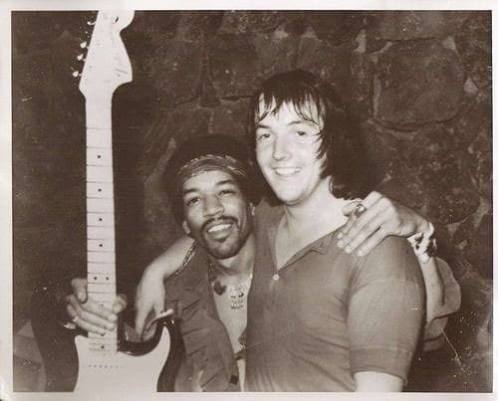
Barrett saw the trembling hands beneath the fringed buckskin. He knew the terrifying truth: that Jimi Hendrix was a man utterly haunted by his own talent. It wasn't an asset; it was a demon that had hollowed him out and used his nervous system as an amplifier. Barrett witnessed the volatile lightning storms of his temper, the jaw-dropping bursts of naive generosity, the deep, yawning chasms of insecurity that no amount of adulation could ever fill. He saw a man who was incandescently, agonizingly creative—a man who was always, with a desperate, frantic hunger, chasing the next sound. A sound that existed only in the back of his mind, just out of reach, driving him mad.
Experienced strips away the plastic wrap of rock mythology. It gives you Hendrix the wizard, yes, but it forces you to look at Hendrix the man—a beautiful, fractured human contradiction who was far too fragile for the meat-market industry that devoured him. It is the definitive, blood-spattered inside account of a friend, a chaotic bandleader, and a cosmic phenomenon.
But the ride didn’t stop when the hearse pulled away.
The spine of this book is forged from Hendrix’s feedback-fueled rise and his sickening, inevitable fall. Yet Barrett’s journey didn't end in 1970. He stayed in the trenches. He spent subsequent decades managing the tours and navigating the egos of the architects of modern pop culture. He went on the road with David Bowie, watching the chameleon reinvent himself to survive the very vacuum that swallowed Jimi. He ran the lines for Madonna, a steel-plated monolith of ambition who took the template of rock excess and weaponized it into an empire. He stood in the wings for George Michael, witnessing the same agonizing tug-of-war between public genius and private torment that he had seen years before in those quiet backstage rooms with Jimi.
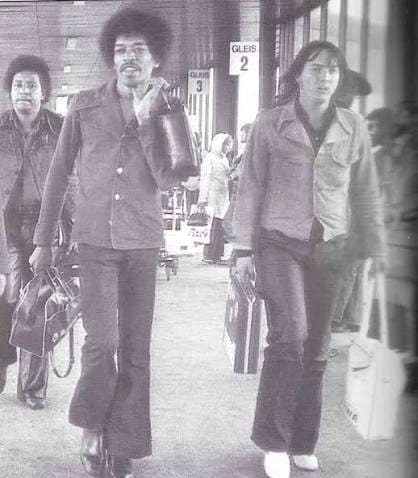
Through these sweeping parallels, Barrett constructs something far grander than a simple diary of a roadie. He maps out the grand, terrifying architecture of fame itself. He shows how Hendrix’s short, violent life didn't just end; it set the eternal template for rock ’n’ roll excess—and, conversely, the brutal mathematics of survival—through the closing chapters of the twentieth century.
This is not another nostalgia trip for aging baby boomers who want to remember where they were when they heard "Purple Haze." This is a savage, beautiful, once-in-a-lifetime backstage history of music’s most transformative, dangerous eras. It is a dispatch from the front lines of a cultural war, told through the prism of a man who survived the blast radius.
You want the truth? You want to know what it costs to change the world with a piece of wood and six strings? Put down your playlist. Open this book. Prepare to get burned.