
NFL 2026 Preview

Today, the Denver Broncos & the Green Bay Packers
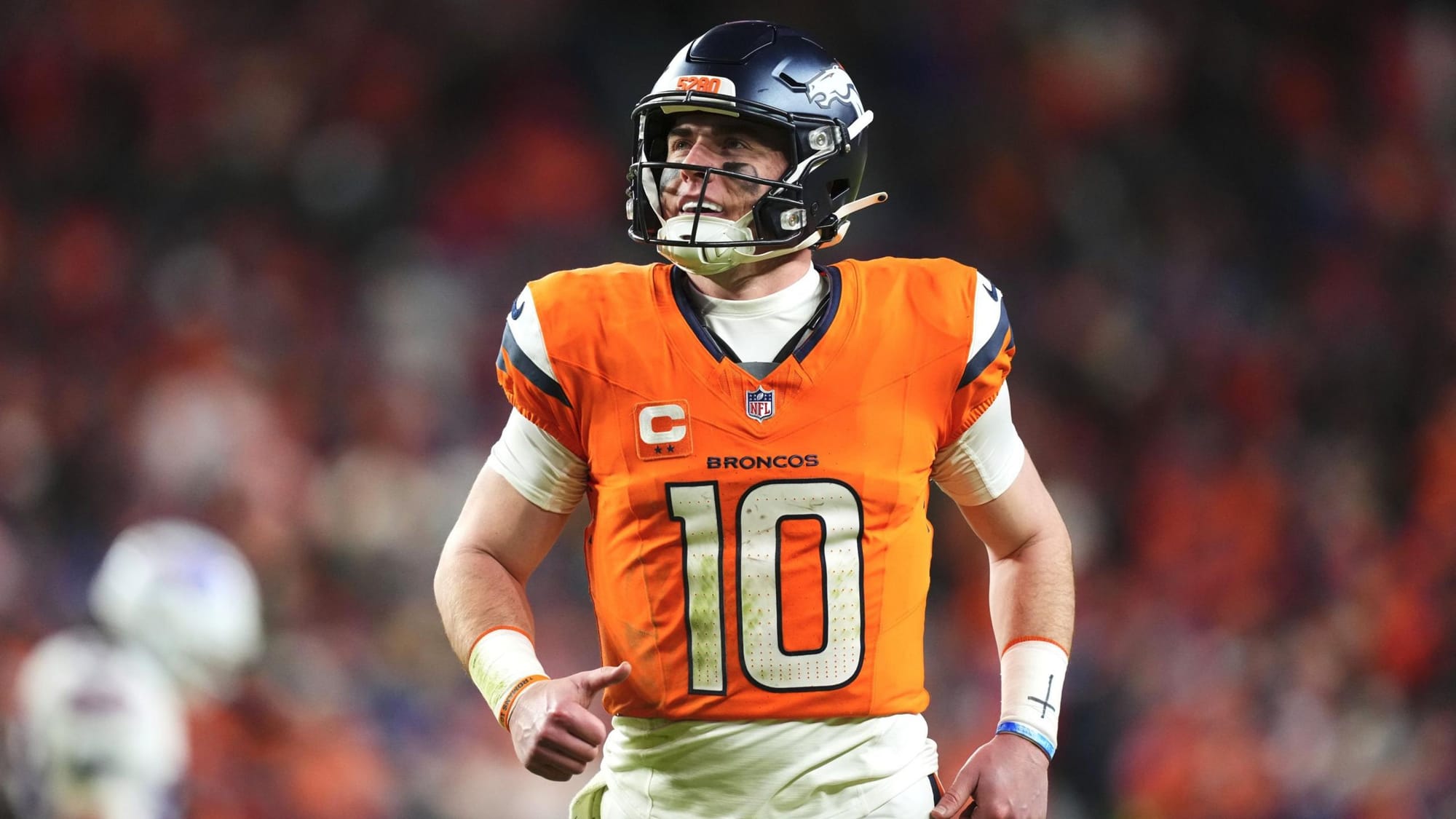
It is a deeply bizarre human impulse to look at a football team that just won a mountain of games and immediately react with the exhausted suspicion that everything is about to implode.
Last season for the Denver Broncos was one of those strange, frictionless anomalies. They won fourteen games, grabbed the AFC’s top seed, and somehow convinced a national audience that they were both a gritty, throwback football machine and a mild optical illusion. We love doing this. We treat regular-season wins like accumulated capital, as if a 14-3 record earns you some kind of immutable equity that carries over into the next calendar year, completely ignoring the fact that the NFL operates more like a chaotic casino where the slot machines occasionally catch fire.
Now we are looking at 2026, and the expectations in the Rocky Mountains are thicker than a Sunday morning diner fog. Sean Payton is still pacing the sideline with that permanent expression of a man who suspects someone has replaced his decaf with sand, entering another year of trying to prove that his offensive architecture can outsmart the modern math of the sport. At the center of it all is Bo Nix, heading into his crucial third year. We spend an exorbitant amount of mental energy trying to decode young quarterbacks, treating their developmental curves like stock charts. Nix was efficient and steady, but the real question of this offseason wasn’t just about his progression; it was about whether the front office could actually find a true, terrifying vertical element to unlock him.
Enter the splashy, high-wire acquisition of Jaylen Waddle. Trading for a guy who treats defensive secondaries like minor obstacles on a track meet completely changes the physics of what Denver wants to do. Suddenly, you aren't just dicing teams up with a thousand paper cuts of short-range completions; you’ve got a guy who can take a routine slant and turn it into a house call before the stadium announcer can finish saying his name. It is an aggressive, expensive bet on explosive speed, which is funny because it contrasts sharply with the gritty, lunch-pail identity Payton loves to project.
Defensively, the script relies heavily on the terrifying unilateral dominance of Pat Surtain II erasing half the football field, while Nik Bonitto keeps turning into an edge rusher who requires opposing coordinators to completely redesign their weekend plans. Sure, they lost a few pieces in the churn of free agency—John Franklin-Myers packing his bags for Tennessee is the kind of quiet departure that only nerds staring at spreadsheets in May will genuinely fret over—but the skeleton of the operation remains intact.
The real issue isn't the roster; it’s the sheer, unadulterated hostility of the 2026 schedule. The algorithm designers must have looked at Denver and decided they needed to be taught a lesson. They open with a gauntlet of five 2025 playoff teams in their first six weeks, trading blows with the Chiefs, 49ers, Rams, and Seahawks right out of the gate. It is the kind of early-season schedule that feels less like a series of athletic contests and more like an endurance trial designed by a cynical committee.
This is where the analytical tension lies. The data-crunchers and national pundits look at that schedule, point to a defense that was uncommonly healthy last year, and predict an inevitable regression. They think the magic is running out.
Prediction: 10-7. They will take a step backward in the win column compared to last year's magical surge, bruised by a brutal slate of opponents, but they'll remain right in the thick of the AFC playoff meat grinder because elite coaching and a transcendent corner usually floor your downside.
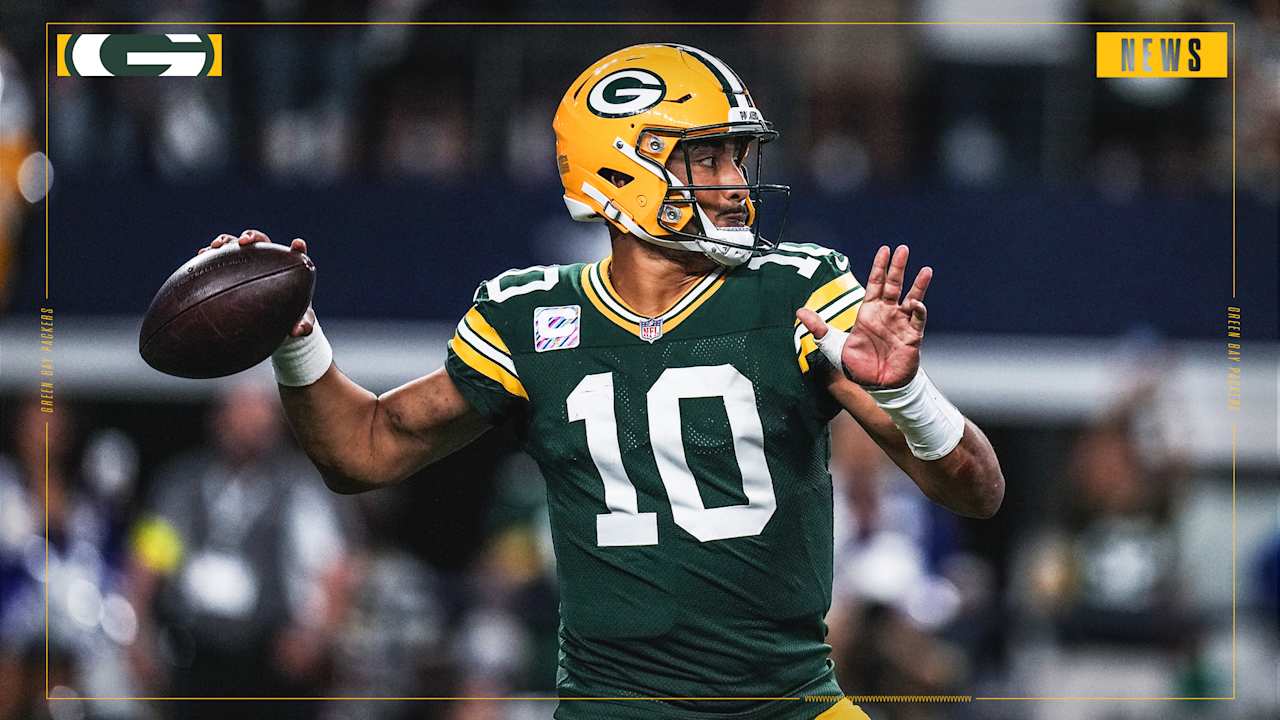
It is one of those deeply American, slightly absurd traditions to pretend that a football team residing in a small Wisconsin city operates under some kind of magical, populist fairy dust, as if a franchise owned by factory workers and insurance adjusters is somehow immune to the cold, ruthless calculus of modern professional sports.
Last season for the Green Bay Packers was a friction-filled exercise in near-misses. They dragged themselves to a 9-7-1 record, caught in the jagged gears of an NFC North division that had transformed into a literal medieval blender. They had Jordan Love slinging the rock, Josh Jacobs churning out tough yards between the tackles, and a defense anchored by Micah Parsons wreaking havoc—yet when the dust settled, they found themselves backing into a wild-card matchup against the rival Bears only to watch their season end in a 31-27 heartbreaker. It was the kind of winter finish that leaves fans sitting in a freezing Lambeau Field parking lot staring blankly into a styrofoam cup of lukewarm chili, wondering why the math never quite added up.
So, naturally, the front office spent the offseason rearranging the deck chairs with an aggressive, restless energy. They locked down center Sean Rhyan on a multi-year deal to keep the interior of the offensive line from turning into a turnstile, and plugged up the defensive trenches by drafting Missouri tackle Chris McClellan and bringing in edge help like Dani Dennis-Sutton. They aren't trying to completely reinvent the wheel; they’re trying to squeeze every last drop of efficiency out of a roster that feels like it’s perpetually one blown coverage away from a championship parade or an absolute catastrophe.
On the sideline, Matt LaFleur continues to project the calm, controlled demeanor of an accountant who moonlights as an indie-pop guitarist, entering another season where the heat is quietly getting turned up. The infrastructure is all there—the West Coast scheme, the legacy of Lombardi ghosts staring down from the rafters, and a fan base that treats a Sunday afternoon loss like a personal family tragedy.
Prediction: 11-6. They navigate the bruises of the division slate, smooth out the late-game blips that plagued them a year ago, and lock down a solid playoff berth.
Tomorrow, the Houston Texans & the Buffalo Bills