
NFL 2026 Preview


Today, the Cleveland Browns & the Arizona Cardinals
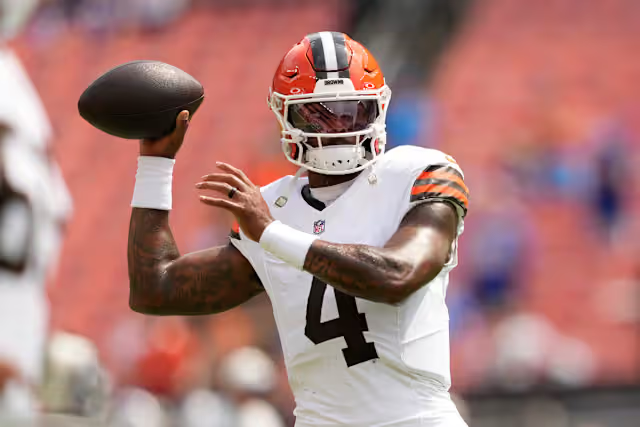
To understand the 2026 Cleveland Browns, you have to look past the glitzy lakefront stadium and peer into the absolute chaos of an organization that has burned through coaches and quarterbacks with the frantic desperation of a losing gambler at a blackjack table. It is a franchise built on the grand, hubristic gamble of the Deshaun Watson trade, a transaction that feels increasingly like a generational millstone tied around the neck of the Dawg Pound faithful.
Now enters Todd Monken, a graying, sixty-year-old offensive lifer tasked with cleaning up the wreckage of a five-win disaster that got Kevin Stefanski fired back in January. Monken didn't ease into the job, spending the entire summer watching a bizarre, high-stakes drama unfold at the quarterback position. The starter is indeed Watson, returning from two consecutive years of Achilles surgeries to claim a job based on his offseason body of work. The stadium crowd already booed him during a miserable preseason outing against Buffalo, a cold reception that Watson called disrespectful and personal.
Breathing down his neck is young Shedeur Sanders, the rookie who started seven games last year and spent this entire camp closing the gap with an electric array of talent. It is a powder keg waiting for a match. Monken insists this is not a week-by-week proposition, but anyone who has ever spent five minutes around the NFL knows that a two-interception first half in Jacksonville will have the entire city screaming for the rookie.
The roster around this quarterback vortex has some real, hard-nosed football players who deserve a better fate. The front office tried to inject life into the offense by drafting rookie tackle Spencer Fano at number nine overall, a kid who proved his toughness by getting into a fistfight with his own defender Jared Verse in training camp before dominating the preseason.
There is dynamic talent in the backfield with young runners like Quinshon Judkins and Dylan Sampson ready to carry the load. Jerry Jeudy is out there on the perimeter, trying to resurrect his own career path under a new offensive coordinator. Yet everything in Berea inevitably circles back to under center. If Watson looks anything like the broken, hesitant passer who threw for thirty-six yards and a pick against the Bills, this season will dissolve into the familiar, toxic stew of finger-pointing and talk-radio rage.
The AFC North does not offer soft landings or safe harbors for teams trying to find themselves. The Baltimore Ravens and Cincinnati Bengals are not in the business of pity. Monken will find out very quickly that the transition from a highly-regarded coordinator to the man holding the ultimate bag in Cleveland is a brutal, unforgiving journey. The pieces are there for a competitive football team, but the institutional weight of the Browns' recent history has a habit of crushing even the best-laid plans. They will ride the quarterback roller-coaster all winter long, changing starters by October and sputtering toward another winter of profound discontent.
The Cleveland Browns will finish the season with a record of 6-11.
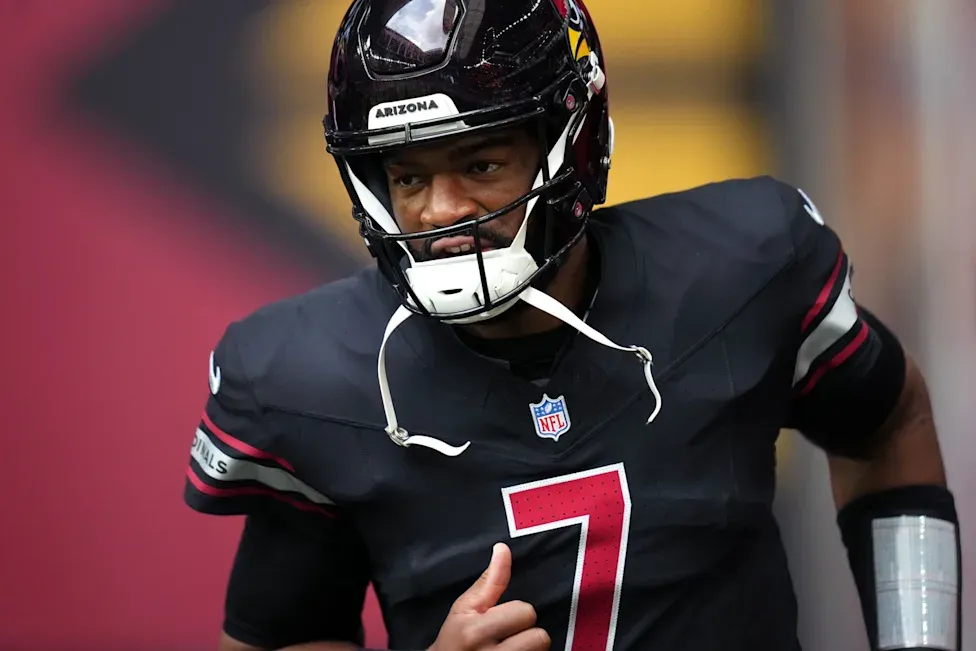
If you went to a high school anywhere in the American mid-south or rust belt in the late 1990s, you almost certainly knew a guy who spent three consecutive semesters trying to learn the bass solo from Lou Reed’s "Walk on the Wild Side" on a pawnshop instrument he refused to tune. He didn’t actually want to be a musician, nor did he particularly care about the Velvet Underground; he just liked the specific cultural cachet of owning a tool that implied he was capable of doing something deeply cool, eventually.
This is essentially the framework required to understand the 2026 Arizona Cardinals.
They are an entire franchise built around the aesthetic approximation of professional football. The modern NFL requires you to have a head coach, so they went out and hired Mike LaFleur, a man whose primary defining characteristic in the public consciousness is that his older brother Matt looks like a guy who sells luxury timeshares in Cabo and openly threatened to fight him during joint practices with the Packers. It is a spectacular piece of narrative friction. You aren't just watching a football team run a wide-zone blocking scheme; you are watching a younger sibling try to validate his entire life choices on national television while his brother stands fifty yards away holding a laminated play sheet.
But the real intellectual centerpiece of this Glendale simulation is the quarterback room, which currently operates as a living thesis on the transience of modern labor. Jacoby Brissett is under center, a man who has played for so many different franchises that his career trajectory looks like a map of federal flight paths. He spent August staging a ten-million-dollar holdout, which is the football equivalent of a temp worker refusing to show up to an office cubicle until the middle management agrees to pay for his parking pass. Everyone knows he is leaving the second the season ends. He knows he is leaving.
And yet, he has to take snaps while Carson Beck—the rookie quarterback who looks like the guy cast to play the villain in a movie about a competitive swimming camp—stares at him from the sideline. It is a deeply uncomfortable workplace dynamic. The entire local media apparatus is treating Brissett like a disposable camera; they are just waiting to click the shutter twelve times so they can drop it off at the pharmacy and see what the developed pictures of Beck actually look like.
The problem, of course, is that while they wait for the future to happen, they still have to play actual games against teams that exist in the material world. The front office decided to waive Trey Benson before the season even started, which is a classic analytics-bureaucracy move that forces them to rely on Jeremiyah Love and Tyler Allgeier. It feels less like a running game and more like a tactical decision to keep the clock moving so everyone can go home earlier. The defense is paying Budda Baker nearly twenty million dollars to essentially act as a highly paid therapist for a secondary that spent the preseason getting systematically dismantled by the Dallas Cowboys. Meanwhile, Josh Sweat spent the summer on the physically unable to perform list because his individualized, off-site training regimen apparently forgot to account for the structural limitations of the human knee.
When you watch this team, you aren't watching a cohesive athletic endeavor. You are watching a collection of interesting, slightly disconnected ideas operating inside a stadium that looks like a giant metallic toaster dropped in the middle of a desert parking lot. They will win just enough games to convince a small pocket of the internet that their philosophical process is correct, but not enough to actually matter to anyone who lives outside of Maricopa County.
The Arizona Cardinals will finish the season with a record of 5-12.
Tomorrow, the Washington Commanders & the New York Jets.