
NFL 2026 Preview


Today, the Washington Commanders & the New York Jets
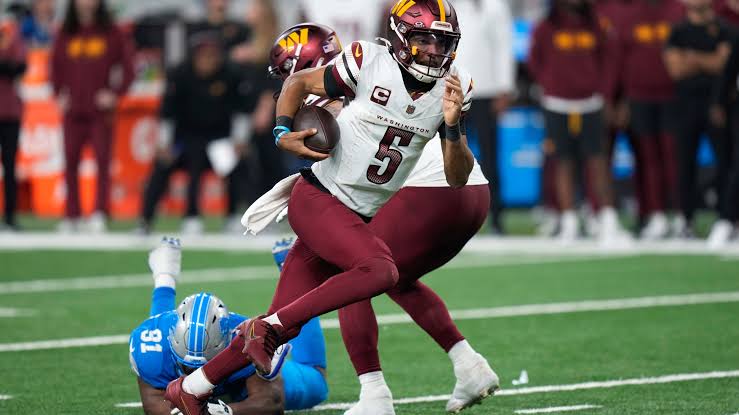
It is entirely possible that the 2026 Washington Commanders will not be remembered for anything that happens on a football field. They will be a footnote in some future cultural autopsy about the mid-2020s, a time when a franchise spent two decades shedding a toxic nomenclature only to discover that the emotional void beneath the brand was the real problem all along. Last year's 5-12 descent was an exercise in systematic deflation. You entered the autumn hoping the organizational overhaul would yield immediate, cinematic dividends, and instead you got a defense that allowed opposing quarterbacks to play like Hall of Famers.
The roster turnover since then has been the usual low-key shuffling of the deck chairs. They cycled out the depth pieces who couldn't anchor a run defense, brought in lottery tickets like defensive lineman Carlos Basham, and crossed their fingers that Dan Quinn's relentless, unshakeable positivity doesn't eventually curdle into the kind of grim exhaustion that usually accompanies a three-loss November. The offense remains a fascinating, volatile puzzle, but football in this division is less about tactical genius and more about which team can survive the winter without running out of healthy offensive linemen.
We keep treating these seasons like they are building toward a climax, as if sports operated under the narrative laws of a prestige television drama where everything ties together in the end. It never does. Most seasons just dissolve into a gray blur of late-game clock management errors and defensive collapses in the secondary.
They will piece together a few respectable performances, win a game they have no right winning against an overconfident conference opponent, and drop a handful of heartbreakers to teams they should have beaten by two scores.
When the regular season mercifully concludes next January, they will land at 7-10. It won't solve the structural mysteries of the franchise, but it will give everyone in the Beltway just enough plausible deniability to do it all over again next fall.
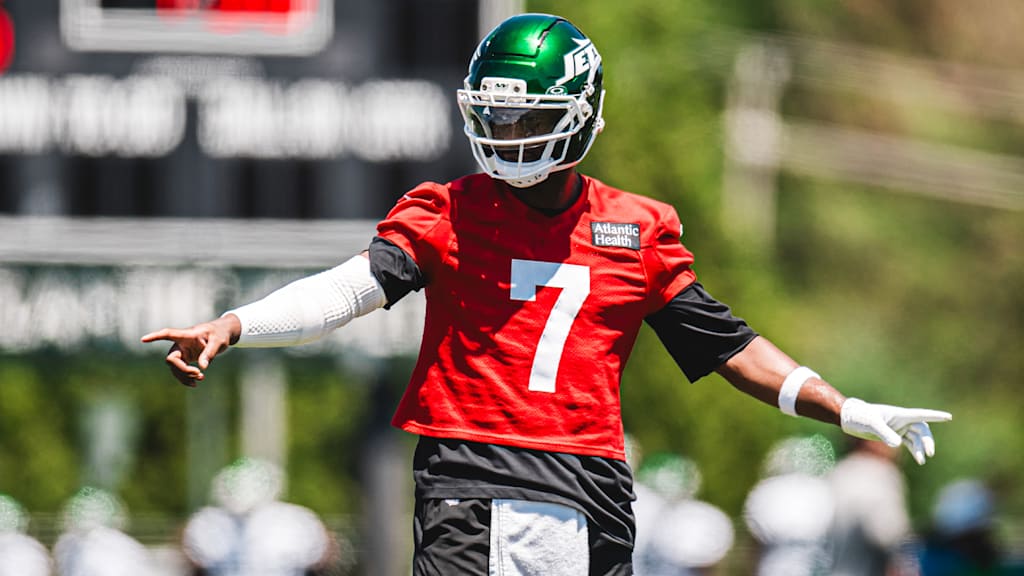
Three hundred points. That is all the 2025 New York Jets could muster across seventeen weeks of professional football, a offensive output so profoundly sterile it felt like a clerical error.
To look at this franchise heading into 2026 is to stare directly into a blender of perpetual dysfunction. Under Aaron Glenn, last year's team crashed straight down to 3-14, turning MetLife Stadium into a mausoleum where opposing defenses came to pad their stats and local fans practiced the ancient art of staring blankly into the middle distance.
The front office responded to the wreckage by pushing all their chips into the middle of the table, hoping a massive influx of talent could fix a culture built on quicksand. They shelled out for veteran linebacker Demario Davis and poached All-Pro safety Minkah Fitzpatrick to finally inject some teeth into a defense that spent last autumn looking completely demoralized. On offense, they tried to insulate Breece Hall and Garrett Wilson by drafting explosive rookie tight end Kenyon Sadiq and bringing in developmental quarterback Cade Klubnik to study behind the scenes.
The pieces are there on paper—a legitimate spine of veterans, a shiny new edge rusher in David Bailey, and a coaching staff that swears this time will be different. But until proven otherwise in the crucible of the AFC East, hope in New Jersey is just a preliminary symptom of heartbreak.
When the final whistle blows next January, the 2026 Jets will limp across the finish line at 6-11. It is an improvement, sure, but it is still just another stop on the long, looping train ride through football purgatory.
Tomorrow, the Detroit Lions & the Tennessee Titans.