
NFL 2026 Preview

Today, The Detroit Lions & the Tennessee Titans
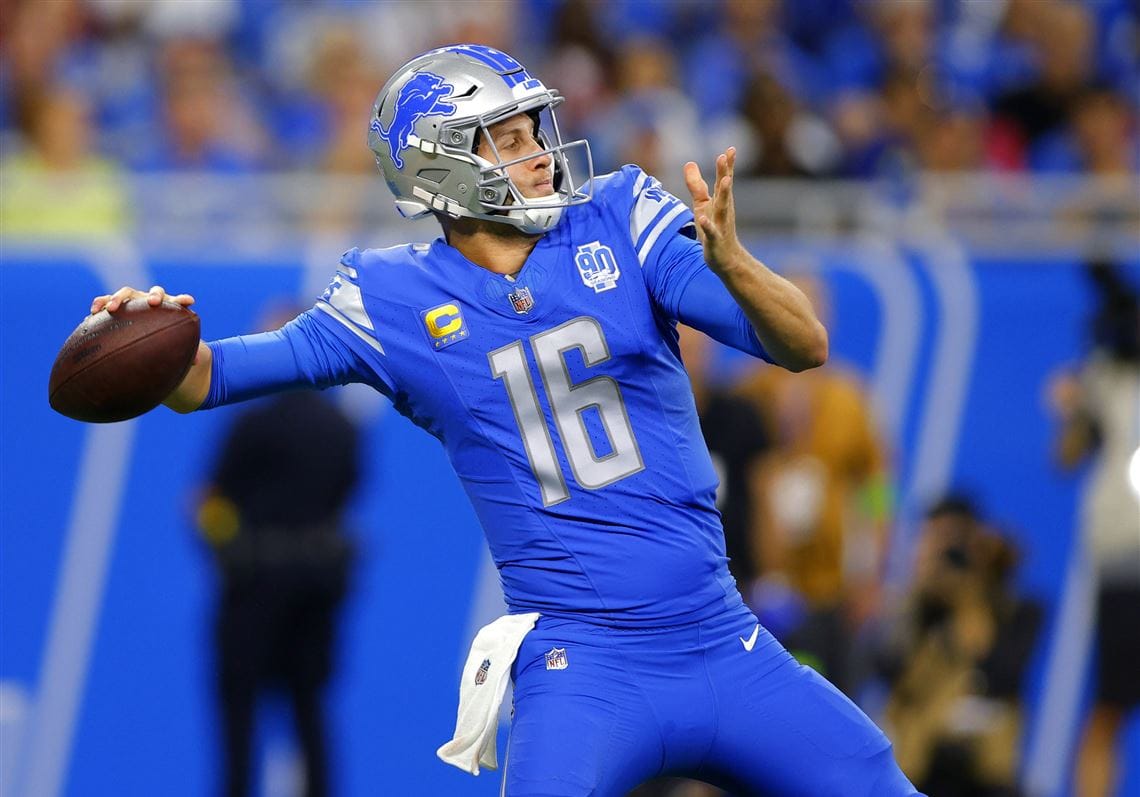
The autumn air in Motown always smells a little bit like burnt coffee and unyielding hope, but underneath the fresh coats of paint at Allen Park, there is a lingering taste of gravel. You don't just sleep off a 9-8 campaign that left the Detroit Lions watching the playoffs from the couch after a few years of riding high. This is a franchise built on kneecap-biting bluster, yet 2025 felt less like a predatory descent and more like a car stuck in a Michigan snowbank, spinning its wheels and smelling of hot rubber.
To understand where the Lions are heading in 2026, you have to look back at the wreckage of last fall. The offense still moved when Jared Goff was slinging it to Amon-Ra St. Brown, and Jahmyr Gibbs could still outrun a shadow on a Tuesday. But the machine sputtered. The defense leaked yardage like an old sieve, and suddenly a team that was supposed to rule the NFC North found itself staring up at everyone else, scratching its head and wondering how the swagger got misplaced.
Enter the front office, armed with clipboards and a mandate to fix the plumbing. They didn't sit on their hands. In March, they pulled off a classic Brad Holmes heist, shipping veteran running back David Montgomery off to Houston for draft picks and offensive lineman Juice Scruggs. It was ruthless, it cleared the ledger, and it opened the door to scoop up Isiah Pacheco on a bargain-bin free-agent deal. They patched the secondary by bringing back Rock Ya-Sin and welcomed back familiar face Teddy Bridgewater to hold a clipboard and whisper sweet nothingness into Goff’s ear.
Then came April and the draft, where the Lions had to confront the inevitable reality of time marching on. With longtime stalwart Taylor Decker moving on, the brass spent their first-round capital on Clemson tackle Blake Miller, sliding the indomitable Penei Sewell over to the left side to protect Goff's blind side like an angry bouncer at a Detroit club. They handed linebacker Jack Campbell a staggering four-year, $81 million extension—a massive financial gamble that turned heads across the league and signaled that the organization believes he is the heartbeat of the defensive front for years to come, even if the analytics nerds fretted over the price tag.
On the sidelines, Dan Campbell remains Dan Campbell. He is still the guy who looks like he wants to run through a drywall partition just to see if the studs are up to code. But the margin for error has shrunk. The coaching staff had to take a long, hard look in the mirror after last year's defensive regressions, tweaking schemes and leaning heavily on internal continuity and veteran reclamation projects to squeeze every ounce of grit out of the roster.
So, where does that leave us as the calendar flips to September? The North is a buzzsaw, and nobody is handing out silver platters in this division anymore. But pride is a powerful motivator in Michigan, and this team is too talented to stay down for long.
Prediction: 10-7. They bounce back, punch their ticket back to the postseason dance as a wild card, and prove that the 2025 stumble was just a temporary pit stop.
It is genuinely difficult to process how entirely we expect sports teams to reinvent themselves based on arbitrary calendar changes, as if a franchise that spent the entirety of last autumn performing like an abandoned water heater can simply pivot into a vibrant cultural artifact because they changed the lettering on their stationary.
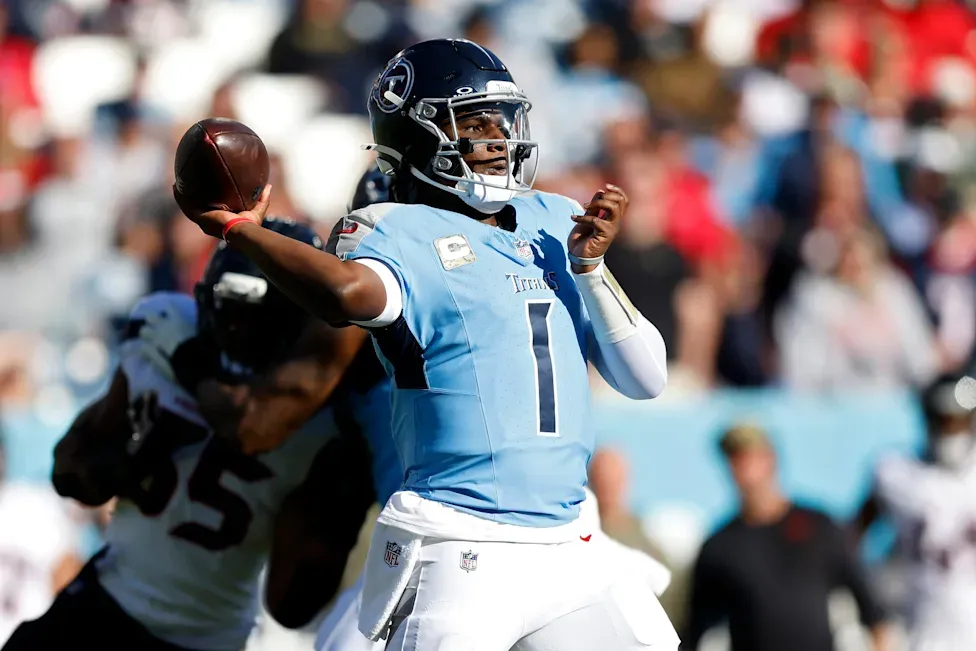
Yet here we are, looking at the Tennessee Titans heading into 2026, a franchise that essentially served as a living monument to organizational melancholy over the last few years. Last season was a 3-14 disaster—the kind of soul-crushing football where watching a Sunday afternoon broadcast felt less like entertainment and more like an endurance test assigned by a cynical college philosophy professor. Cam Ward spent his rookie year under center absorbing hits like a crash-test dummy, trapped in an offense that had all the creative propulsion of a wet cardboard box.
So what do you do when the ecosystem completely collapses? You don’t just tweak the furniture; you bring in Robert Saleh to yell with maximum intensity and hire Brian Daboll to construct an offense out of spare parts and aggressive optimism. It is a very modern brand of football triage. They went out in the spring and overhauled the roster with the frantic energy of someone trying to assemble an IKEA bookshelf five minutes before guests arrive, bringing in Wan’Dale Robinson and a defensive infrastructure designed to stop people from feeling sad on Sundays.
Then came the draft, where holding high picks forces a fanbase into that familiar, hollow ritual of convincing themselves that a twenty-one-year-old kid from Ohio State—in this case, Carnell Tate—is going to single-handedly alter the geopolitical landscape of the AFC South. We do this every year. We pretend that college metrics translate seamlessly to the professional level, ignoring the statistical reality that most draft picks are basically expensive lottery tickets bought by people who wear quarter-zips indoors.
And yet, there is something weirdly compelling about the sheer desperation of it all. Saleh is pacing the sidelines now, looking like a man who takes his coffee black and regards personal joy as a weakness in the secondary.
Prediction: 7-10. They won't be good enough to matter in January, but they'll be just competent enough to make you watch three quarters of a November game against the Jaguars before questioning every life choice that led you to that couch.
Tomorrow, the Denver Broncos & the Green Bay Packers.