
No Prophets

Down in the dirt country where I come from, religion was never something you had to look for; it was just there, like the humidity or the smell of pine resin cooking in the afternoon sun. It lived in the white clapboard churches that sat back in the pines, where the floorboards groaned under the weight of people who spent their weeks pulling cotton or fixing radiators, and their Sundays looking for a little bit of grace. Those old folks understood something about God that was quiet and heavy. They knew about mercy, and they knew about a humility that kept a man from standing on a high place and pointing fingers at his neighbors. They carried their Bibles like a shield against their own shortcomings, not as a club to beat the rest of the world into submission.
But there is another kind of religion that doesn't smell like old hymnals or pine smoke. It smells like television studios, high-dollar fundraising dinners, and the cold, marbled halls of Washington, D.C. It is a religion that has traded the cross of suffering for the gavel of power, and it is this dangerous, shape-shifting creature that Congressman Jared Huffman writes about in his powerful new book, No Prophets.
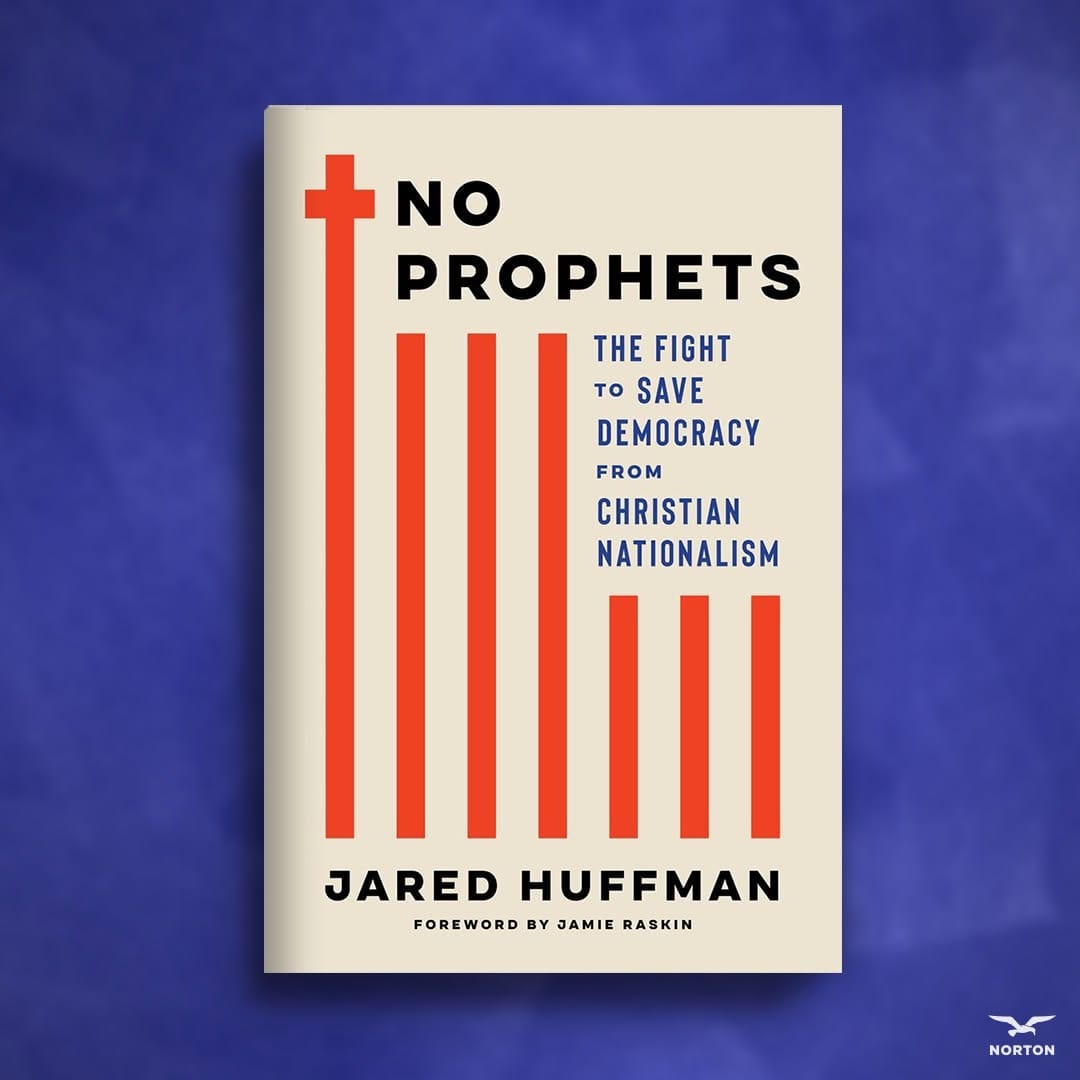
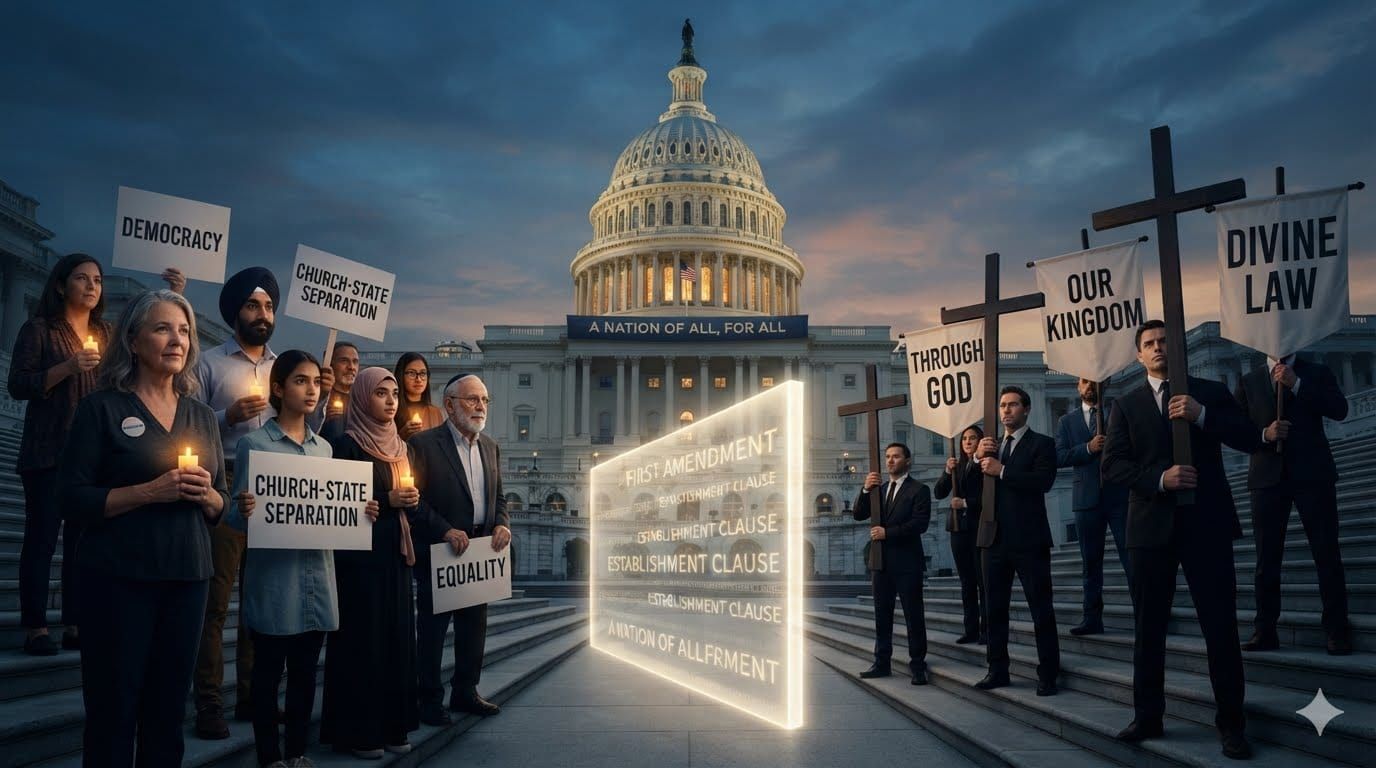
Huffman, who knows the inside of a church as well as he knows the backrooms of the United States Capitol, has written a book that reads less like a political tract and more like a long, urgent letter from a watchman on the wall. He starts where the illusions of our modern democracy shattered: on January 6, 2021. On that cold winter day, Huffman looked out and saw a sight that would have made the old preachers of my youth weep into their handkerchiefs. He saw thousands of people, whipped into a frenzy by self-proclaimed prophets and political hucksters, storming the cradle of American democracy. They weren't just carrying anger; they were carrying giant wooden crosses. They were waving flags that mixed the stars and stripes with symbols of holy war.
It was exactly what Sinclair Lewis was talking about all those years ago when he warned that if fascism ever came to America, it would arrive wrapped in the flag and carrying the cross. For a long time, polite society treated that quote like a ghost story—something to scare people in history books but not something that could happen in the bright light of the twenty-first century. But as Huffman shows us with a terrifying, clear-eyed precision, the ghost has taken flesh. It is walking the halls of Congress, and it is driving the policy of the nation.
What makes Huffman’s voice so necessary in this conversation is that he isn't some secular sniper firing shots from the safety of an academic tower. He was once a devout Christian himself. He remembers what it feels like to believe with a whole heart. But today, as the only openly Humanist member of Congress, he occupies a unique and lonely vantage point. He sees the machinery of Christian nationalism from the inside out, and in No Prophets, he pulls back the heavy velvet curtains to show us just how deep the rot has gone.
The most frightening thing Huffman reveals isn't the mob that broke the windows of the Capitol; it is the quiet, organized movement that came after them. While the rest of America tried to look away, hoping it was just a bad dream or a one-off explosion of madness, the architects of this movement went to work inside the highest levels of government. Huffman maps out a hidden landscape where religious extremists, emboldened by political shifts, are working to systematically dismantle the wall between church and state—a wall that men like Thomas Jefferson knew was the only thing keeping us from tearing each other to pieces over text and dogma.
They aren't hiding anymore. They are openly vowing to reshape federal agencies, tilt elections, undermine the hard science that keeps our children healthy, and drive domestic and foreign policy based on a hardline, apocalyptic theology. Huffman shows us that their ultimate endgame isn't just to win an election; it is to build an authoritarian theocracy where one specific, narrow brand of religious belief is imposed on every man, woman, and child by the absolute force of law.
In my life, I’ve seen what happens when people think they have a monopoly on God's will. It doesn't lead to more love; it leads to locked doors, burned books, and broken people. It turns religion into a weapon of exclusion. Huffman argues, with a passion that jumps off the page, that our reluctance to confront this threat—simply because it clothes itself in the language of Christianity—is the greatest peril our country faces today. We have been too polite for too long, afraid to call out fanaticism when it wears a suit and quotes scripture.
Yet, for all the darkness he uncovers, Huffman doesn't leave the reader in the ditch. No Prophets is, at its heart, a book about rescue. He argues that it is not too late to turn the car around before it goes over the bluff. The answer, he writes, isn't to banish religion from the world, but to build a broad, fierce, interfaith coalition. It is a call for people of all faiths—the Methodists, the Baptists, the Catholics, the Muslims, the Jews—alongside secular Americans, atheists, and humanists, to stand shoulder to shoulder. It is an appeal to reclaim the public square as a place where everyone has a seat at the table on equal terms, and where no one has to bow their head to another man's altar just to be treated like a citizen.
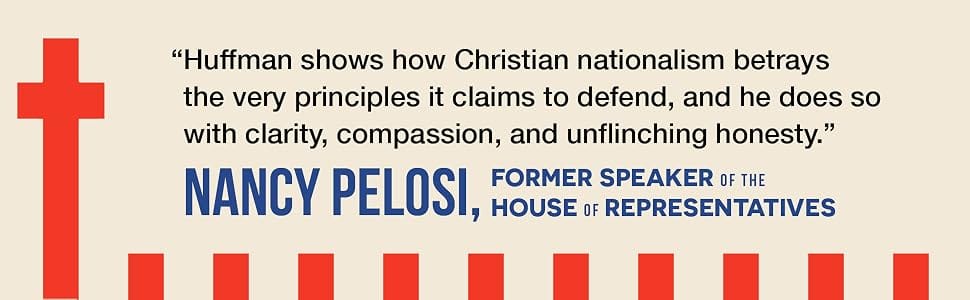
No Prophets is a book that needed to be written, and it needs to be read. It is a blunt, honest, and necessary book for anyone who still believes that America ought to be a place of freedom, not a kingdom of fear. It reminds us that the separation of church and state wasn't designed to hurt religion; it was designed to protect it—and to protect the rest of us from the people who want to use God to rule the world.
Representative Jared Huffman website
Tim
Tim Lowe is a writer, book expert, retired sailor, retail worker, and renaissance man.
He is currently traveling the country and working on his forthcoming book.