
Peter Sellers


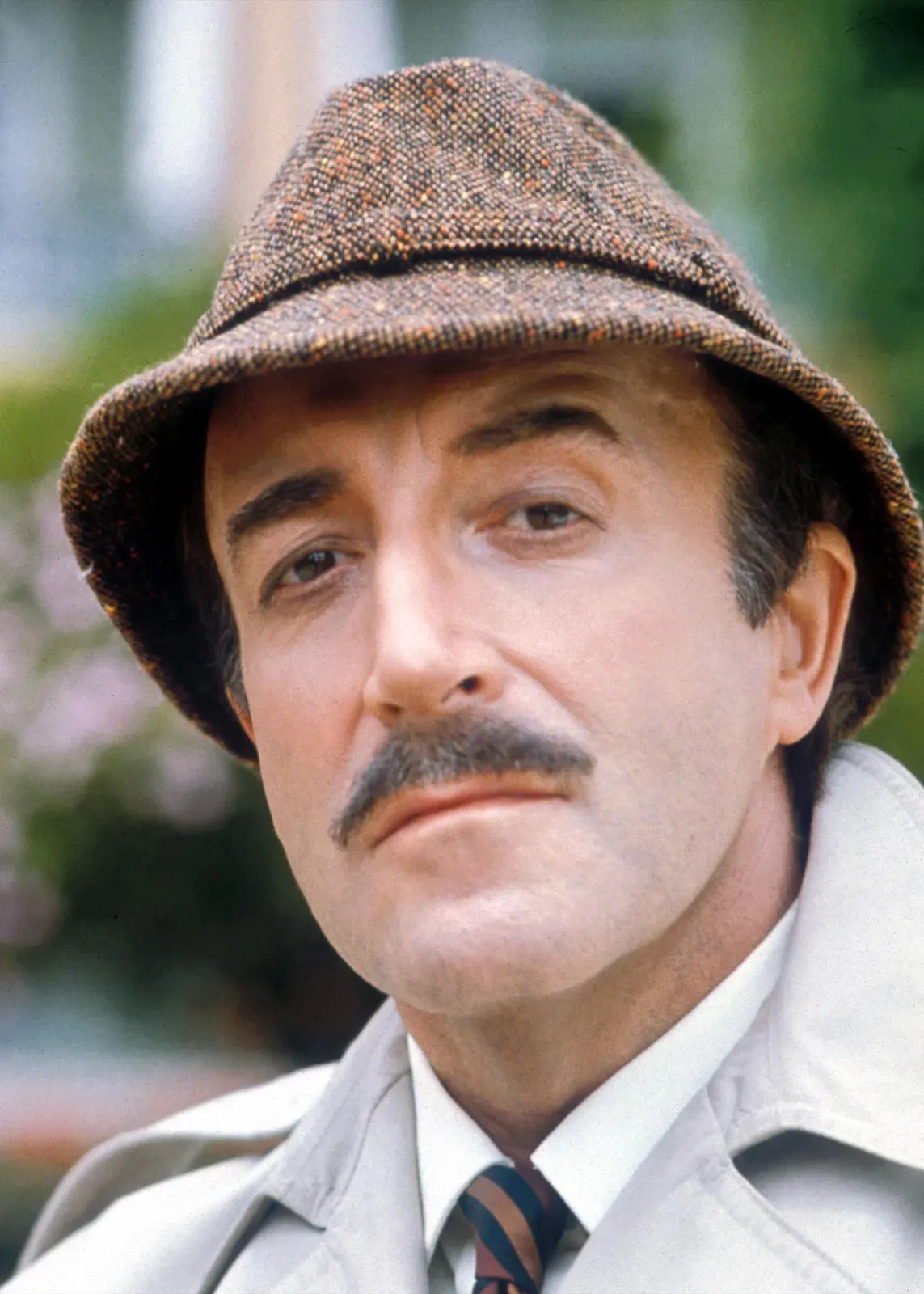
Peter Sellers didn't really have a personality, which is a weird thing to say about a movie star. When he died on July 24, 1980, at fifty-four, the obits treated him like a brilliant comic actor who was just difficult to work with. But that misses the point. The people who actually knew him—like Spike Milligan—always said the same terrifying thing: when the cameras and the tape recorders were off, nobody was home.
That wasn't a metaphor. It was a working method. Back in the 1950s on the BBC radio show The Goon Show, Sellers figured out how to disappear into sound. With no costumes, no makeup, and no cameras to hide behind, characterization had to happen entirely through the throat. He learned he could manufacture an entire social class, a distinct generation, or a clinical neurosis using just pitch, cadence, and timing. He could sound like an elderly British colonel or a bumbling shopkeeper simply by shifting his weight and narrowing his eyes into a microphone.
The problem was what happened when he walked out of the studio. If you spend every day proving you can turn into anyone, you eventually have to deal with the silence when you stop talking. For Sellers, the silence was empty. There was no core identity waiting underneath the accents.
When he moved into film, that hollow center made him an incredible weapon for directors who wanted to dismantle narrative conventions. Look at Dr. Strangelove in 1964. An ordinary actor would treat playing three separate roles—a stiff British officer, an ineffectual American president, and a wheelchair-bound Nazi scientist—as a vanity project, a chance to show off range. For Sellers, it was diagnostic. He wasn't just doing impressions; he was exposing the actual machinery of the Cold War. By having the same actor play all three pillars of that geopolitical catastrophe, he made a blunt, devastating point: the entire nuclear power structure was just different versions of the same flawed, terrified ego.
Off-screen, that lack of a stable identity made his personal life a disaster. He was volatile, deeply insecure, obsessive, and exhausting to be around. Friends would get calls from him late at night where he was still talking in character, completely unable to turn the projector off. He chased answers through spiritualism, fast cars, and bad marriages, trying to fill a void he had carved out himself through decades of professional shape-shifting.
By the time he made Being There in 1979, playing Chance the gardener—a simple-minded man who knows the world only through television and becomes a political sensation because powerful men project their own ideas onto him—he wasn't even acting anymore. He was documenting his own life. He was a man constructed entirely out of media artifacts, borrowed scripts, and other people's expectations.
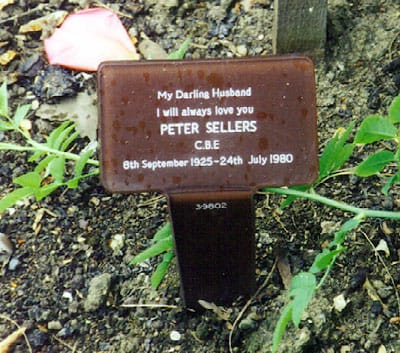
When his heart finally gave out in London on a July morning in 1980, it felt like the inevitable end for a guy who had spent forty years running out of places to hide. He left behind a stack of unforgettable performances, remaining a complete stranger to himself until the very end.