
The Cruelest Game

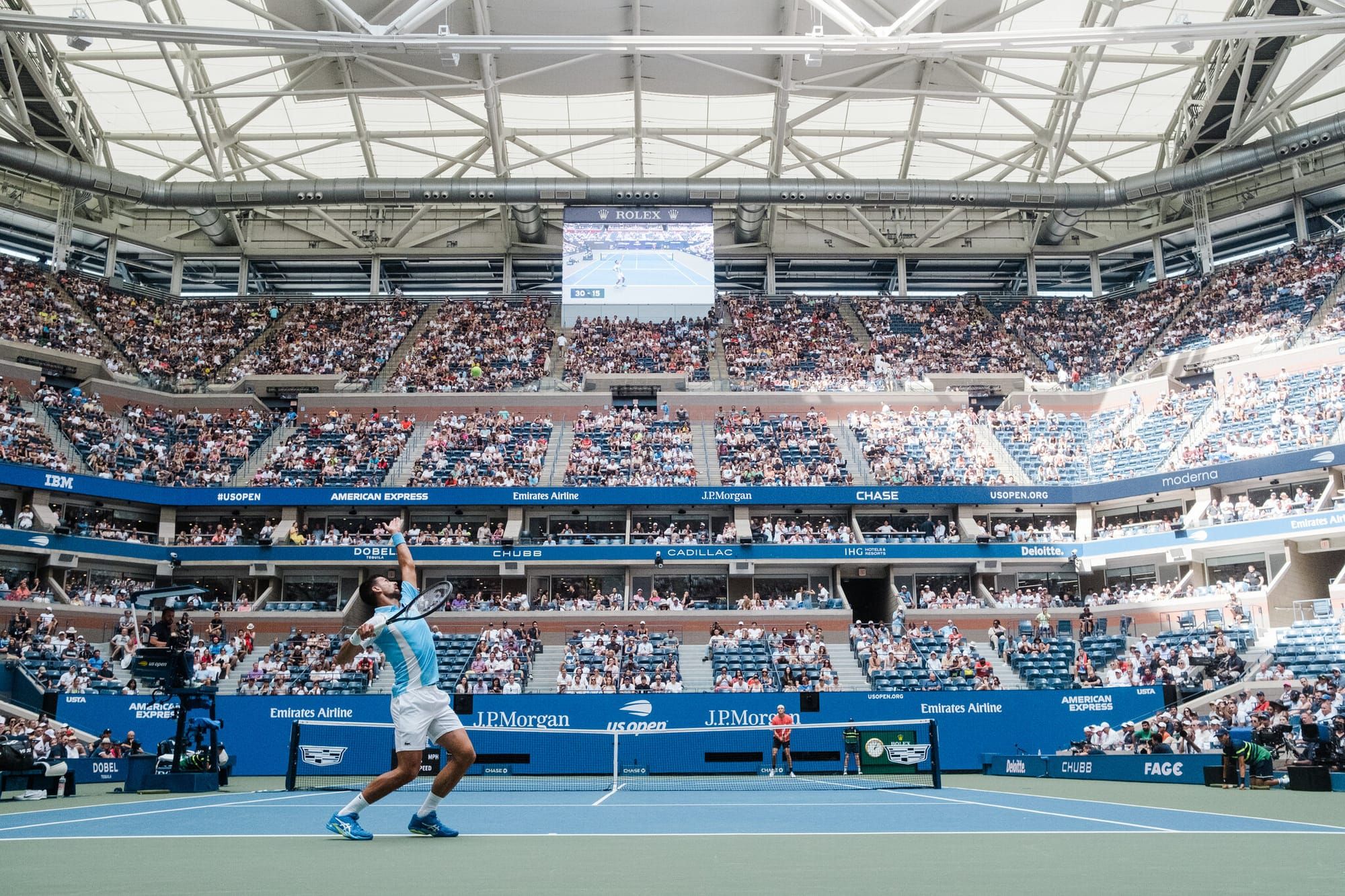
That neon yellow ball doesn’t care about your feelings.
It doesn't care that you flew fourteen hours to get here, or that your lower back feels like it’s being gnawed on by a feral badger, or that the ghost of your demanding father is sitting in row four, sweating through a custom linen shirt. When that ball comes screaming across the net at 134 miles per hour, flat and heavy and laced with bad intentions, you are entirely on your own. There are no teammates to bail you out. No offensive coordinator whispering comfort into a headset. Just you, a rectangle of white lines, and a psychological abyss yawning wide at your feet.
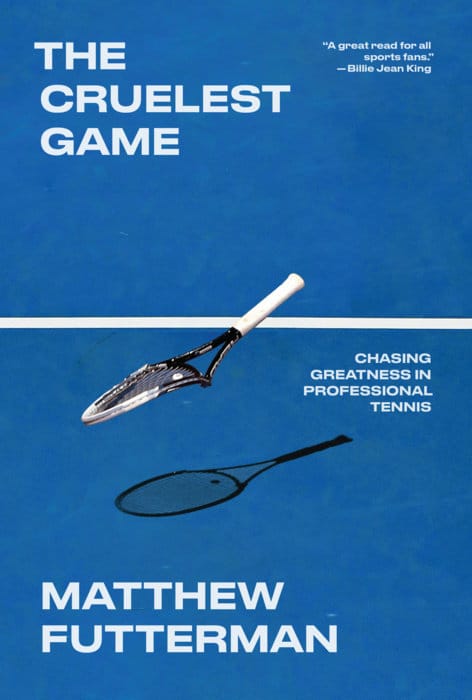
This is the central, pulsating nerve of modern tennis, a sport currently trapped in a fascinating, beautiful, and utterly ruthless identity crisis.
For two decades, we were spoiled. We watched Roger Federer glide across grass like a Swiss corporate executive who discovered a loophole in gravity. We watched Rafael Nadal turn clay courts into a personal colosseum, ripping forehands with enough top-spin to alter the Earth's rotation. We watched Serena Williams simply overpower human will. They weren't just athletes; they were monuments. But monuments eventually crumble, or at least they get retired and start appearing in luxury watch commercials. Roger is gone. Rafa has finally hung up the bandanas. Serena is dominating motherhood and venture capital. Even Novak Djokovic, the rubber-limbed machine who turned survival into an art form, is staring down the clock, trying to figure out how to exit the stage gracefully without losing his edge.
So, what happens now? Who inherits the kingdom?
Enter the new breed. Carlos Alcaraz, Aryna Sabalenka, Jannik Sinner, Coco Gauff, Ben Shelton, and Iga Świątek. They are young, they are fiercely wealthy, and they possess the kind of kinetic, jaw-dropping athleticism that makes old-school tennis purists weep into their strawberries and cream. They can slide on hard courts, hit winners from their knees, and pump their fists with enough electricity to power a small Midwestern town.
But behind the fortune and the flashy Nike kits lies a darker, more exhausting truth. Tennis remains, at its core, a cruel, lonely business.
In his spectacular, deeply reported new book The Cruelest Game, Matthew Futterman pulls back the velvet curtain of the tour to show us the heavy toll of that cruelty. Futterman doesn't just hang out in the press mixed zones waiting for canned quotes about "taking it one match at a time." He embeds. He wanders into the sweaty, claustrophobic tunnels beneath Arthur Ashe Stadium. He sits on the cracked benches of remote training academies. He travels to the far-flung, war-torn hometowns that molded these athletes before they ever saw a luxury hotel room.
What Futterman understands—and what shines through his narrative—is that tennis is a game of millimeters decided by monstrous psyches.
Take a guy like Ben Shelton. He’s got the booming serve, the unbridled American swagger, and a smile that can light up a stadium. But what happens when the serve vanishes in the third set of a sweltering afternoon match in Melbourne? Or look at Świątek, a generational genius who dominates with the precision of a master chess player, yet openly wrestles with the crushing internal demand for perfection. Futterman gets inside these unique, fragile, and hyper-focused minds. He shows us the off-court tensions, the coaching friction, the family expectations, and the relentless social media noise that can lift a player to a Grand Slam title on Saturday and cause a total psychological implosion by Tuesday morning.
The book excels because it treats these demi-gods like human beings. We see the insatiable competitive spirit, yes, but we also see the price tag attached to it. We see the loneliness of a hotel room in a foreign city where the only companion is a room-service club sandwich and the replay of a blown break point.
As a former tennis coach who has spent decades observing the egos, triumphs, and tragedies of tennis players, I find myself deeply captivated by this particular transition. We are witnessing the construction of a new mythology in real-time. Alcaraz isn’t just trying to win trophies; he’s trying to figure out the secret codes to surviving the expectations of being "The Next Nadal". Sabalenka isn't just hitting the cover off the ball; she’s battling the heavy emotional baggage of her homeland while trying to maintain her spot at the summit of a brutal sport.
Futterman's book is a breathtaking, essential roadmap for this new era. It reminds us that no matter how much glamour, money, and neon smoke you pump into an arena, the game itself never changes. It will always be an unforgiving crucible. And the young stars who survive it aren't just great athletes. They are the rarest breed of human beings—the ones who can look into that lonely abyss, smile, and hit a baseline winner right on the line.