
The Everest Mystery

The Mount Everest Mystery We Are Condemned to Argue About Forever
There is an obsession that only makes sense if you accept that human beings are essentially broken machines who prefer unsolvable loops to actual closure.
We love a disappearing act. But we don't just love when someone vanishes; we love when they vanish into a context so grand, so completely indifferent to human vanity, that the disappearance becomes a permanent Rorschach test for whatever philosophical baggage we happen to be carrying around that decade.
Think about DB Cooper. Think about Amelia Earhart. Think about the Princes in the Tower. These are historical voids designed exclusively to give middle-aged men something to aggressively argue about in the comment sections of message boards at two in the morning.
And then, towering over all of them—literally and metaphorically—is June 8, 1924.
At some point that afternoon, high on the limestone and shale steps of the Northeast Ridge of Mount Everest, two Englishmen named George Mallory and Sandy Irvine were spotted through a telescope by Noel Odell. They were, in Odell’s famous and endlessly parsed phrasing, "going strong for the top." Then the clouds rolled in. The mountain swallowed them. And they became ghosts.
For an entire century, this has been the ultimate mountaineering parlor game. Did they make it? Did two guys in tweed jackets, hobnail boots, and gabardine windproofs—wearing fabrics that modern REI shoppers wouldn't wear to walk a Golden Retriever—conquer the highest point on the planet twenty-nine years before Edmund Hillary and Tenzing Norgay?
If you ask the romantic, they reached the summit and died on the way down, victims of gravity and bad luck, their triumph stolen by history. If you ask the pragmatist, the idea that they navigated the Second Step—a sheer vertical cliff of rock that turns elite modern climbers into crying toddlers—in 1924 footwear is mathematically absurd.
For decades, the story was frozen in amber. George Mallory’s frozen, perfectly preserved body was found by an expedition in 1999, lying face down on the scree slopes below the base of the yellow band, his skin the color of a parchment document, bearing the scars of a fatal fall. It felt like a climax, but it was really just an expensive tease. Mallory had no camera. He had no definitive proof of the summit. And Sandy Irvine—the 22-year-old Oxford kid hauling the vest-pocket Kodak camera that might have held the exposed film proving they were standing on top of the world—remained missing. He was the invisible variable. The ghost in the machine.
Until September 2024.
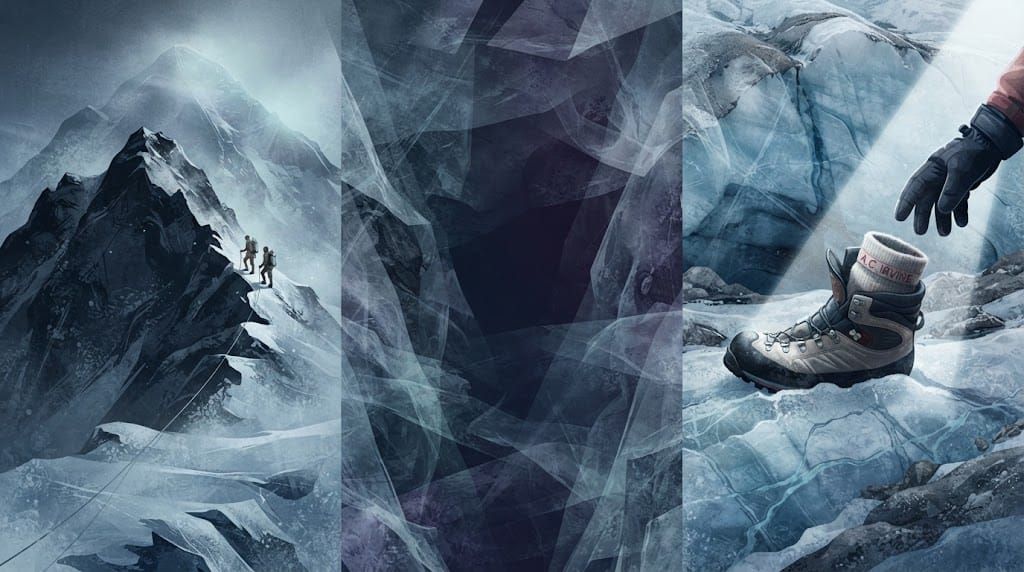
That was when a documentary film crew stumbled across an old boot melting out of the Central Rongbuk Glacier, miles away from Mallory. Inside the boot was a foot. And on the sock was a red nametape: A.C. IRVINE.
Just like that, the 100-year-old corpse mystery was violently dragged back into the present tense.
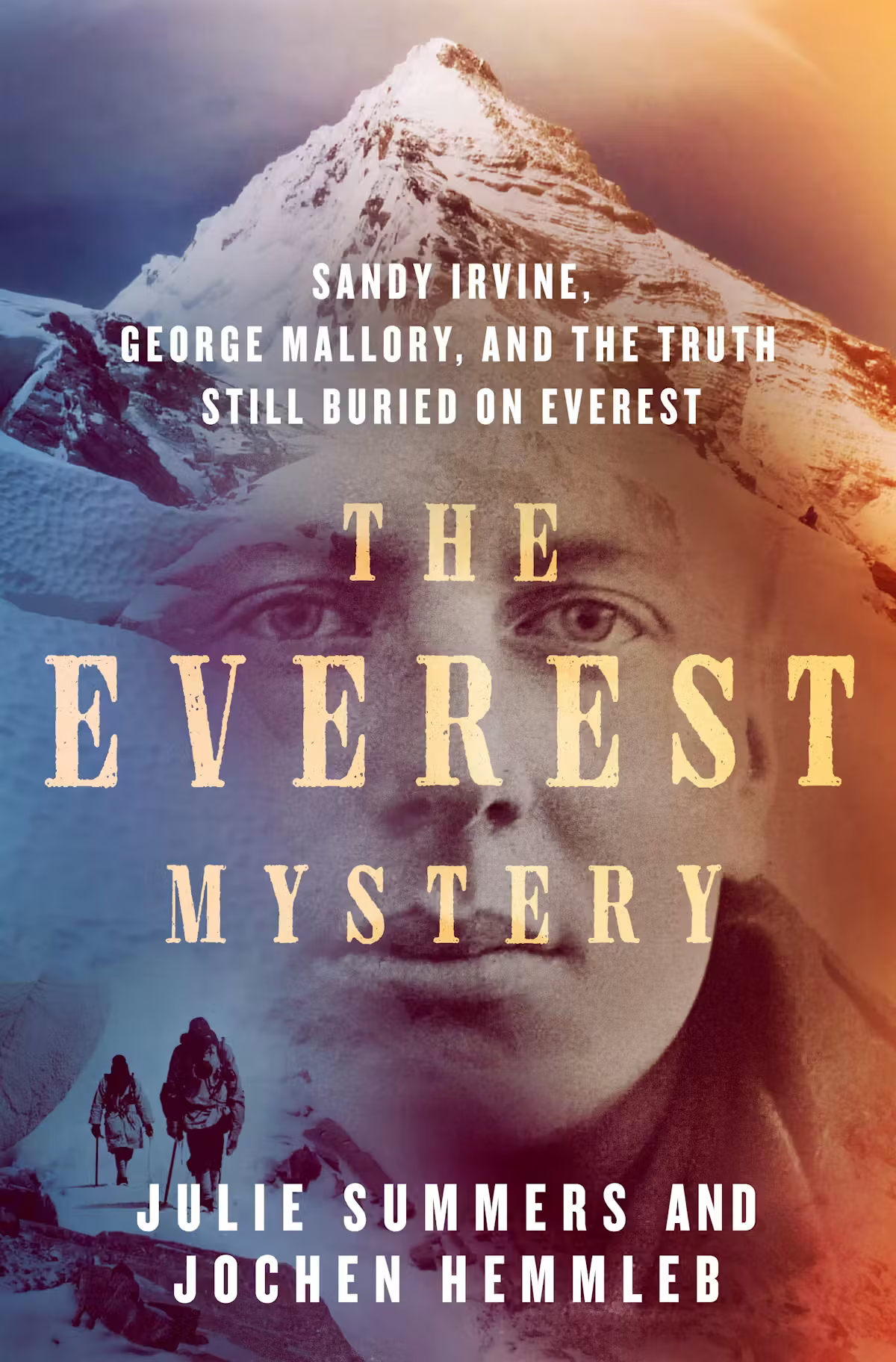
Which brings us to The Everest Mystery, a new book by Julie Summers—who happens to be Sandy Irvine’s great-niece—and Jochen Hemmleb, a man who has spent more time thinking about dead Edwardians on glaciers than is probably healthy for any single human brain.
What makes this book interesting isn't just that it processes the shock of that 2024 discovery. It’s that it tries to solve the right problem.
For a hundred years, popular culture has treated Sandy Irvine as a prop. He was the sidekick. The heavy-lifting undergraduate towing the cumbersome oxygen apparatus. The guy Mallory brought along because someone needed to manage the tanks and because Irvine was handy with a wrench and a primus stove. He was the Watson to Mallory’s Holmes, except Watson also vanished into thin air and left behind zero blog posts.
Summers and Hemmleb refuse to let Irvine remain a cardboard cutout. By approaching the narrative through the lens of family history combined with obsessive, forensic mountaineering scholarship, they rescue Irvine from being a mere footnote in a boy's-adventure tragedy. They look at who he actually was—a kinetic, mechanically gifted kid from Cheshire who happened to find himself at the dead center of the twentieth century’s most romantic death cult.
And that is what early Everest expeditions really were: a cult. They were an extension of a British Empire that had just survived the industrialized meat-grinder of the First World War and desperately needed a new, cleaner arena to prove that young Englishmen still possessed iron in their blood. If you couldn't conquer the Somme, by God, you could go freeze your toes off on a Himalayan monolith for King and Country.
Did they reach the top? The Everest Mystery doesn't hand you a cheap, Hallmark-card answer on the final page, because reality doesn't work that way. The camera—if it was ever carried by Irvine—remains elusive, its film likely degraded into useless chemical soup by decades of sub-zero freeze-thaw cycles anyway.
But what the book does—brilliantly—is contextualize why we care so much. We care because Mallory and Irvine represent the last era where exploration felt genuinely unknowable. Today, you can track a billionaire climbing Everest on a Garmin in real-time while he orders oat milk lattes from base camp. Every square inch of the planet has been photographed by a satellite.
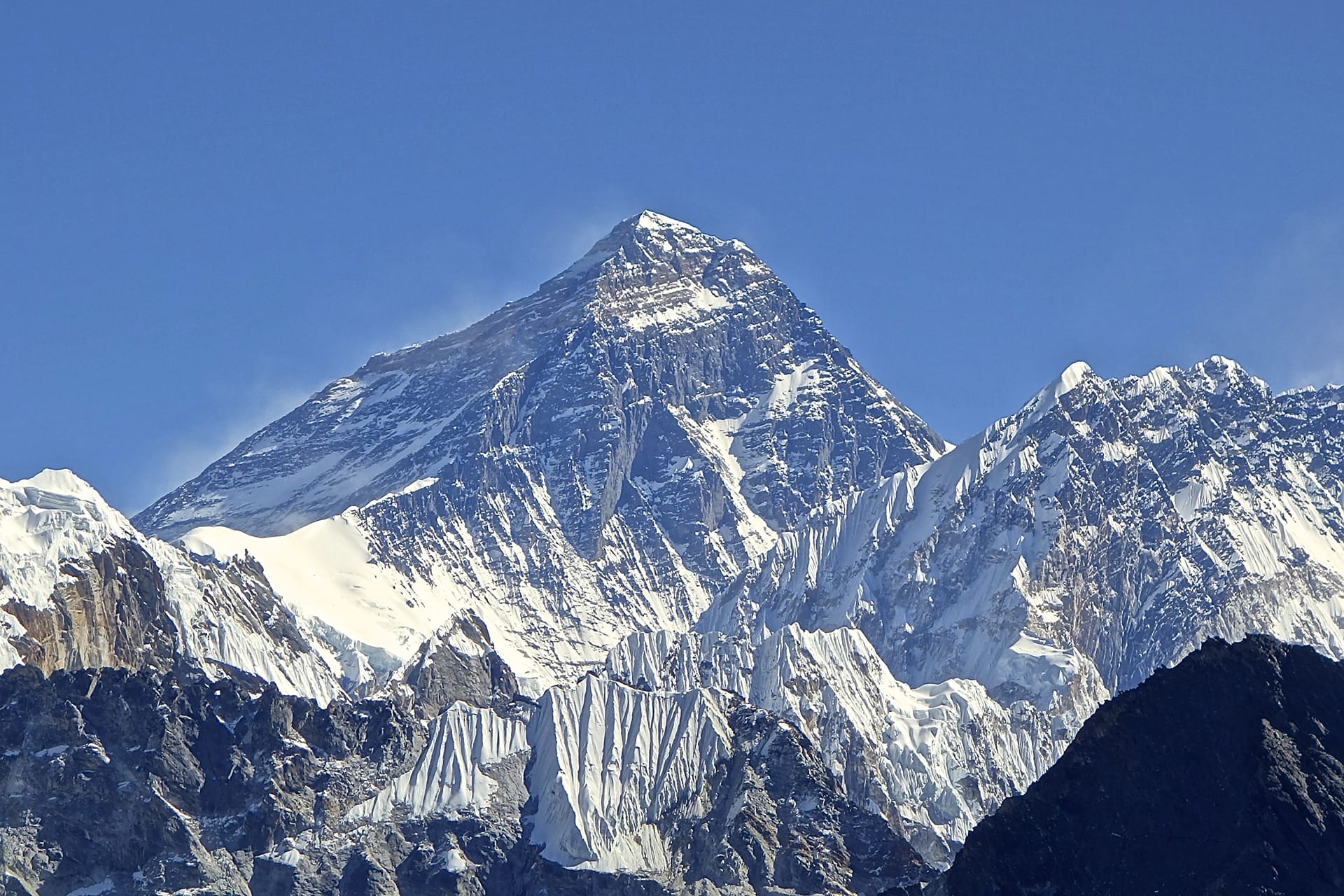
In 1924, Everest was an absolute blank space on the map. It was a monster that didn't care about your public school education or your literary prose.
The Everest Mystery isn't just a book about a boot on a glacier or a debate over climbing technique. It’s a melancholy, deeply reported examination of what happens when human ambition collides with an environment that regards our existence as a mild, temporary inconvenience. It’s about two guys who went up a mountain and walked straight into myth, leaving the rest of us down here to argue about the wreckage for the next century.