
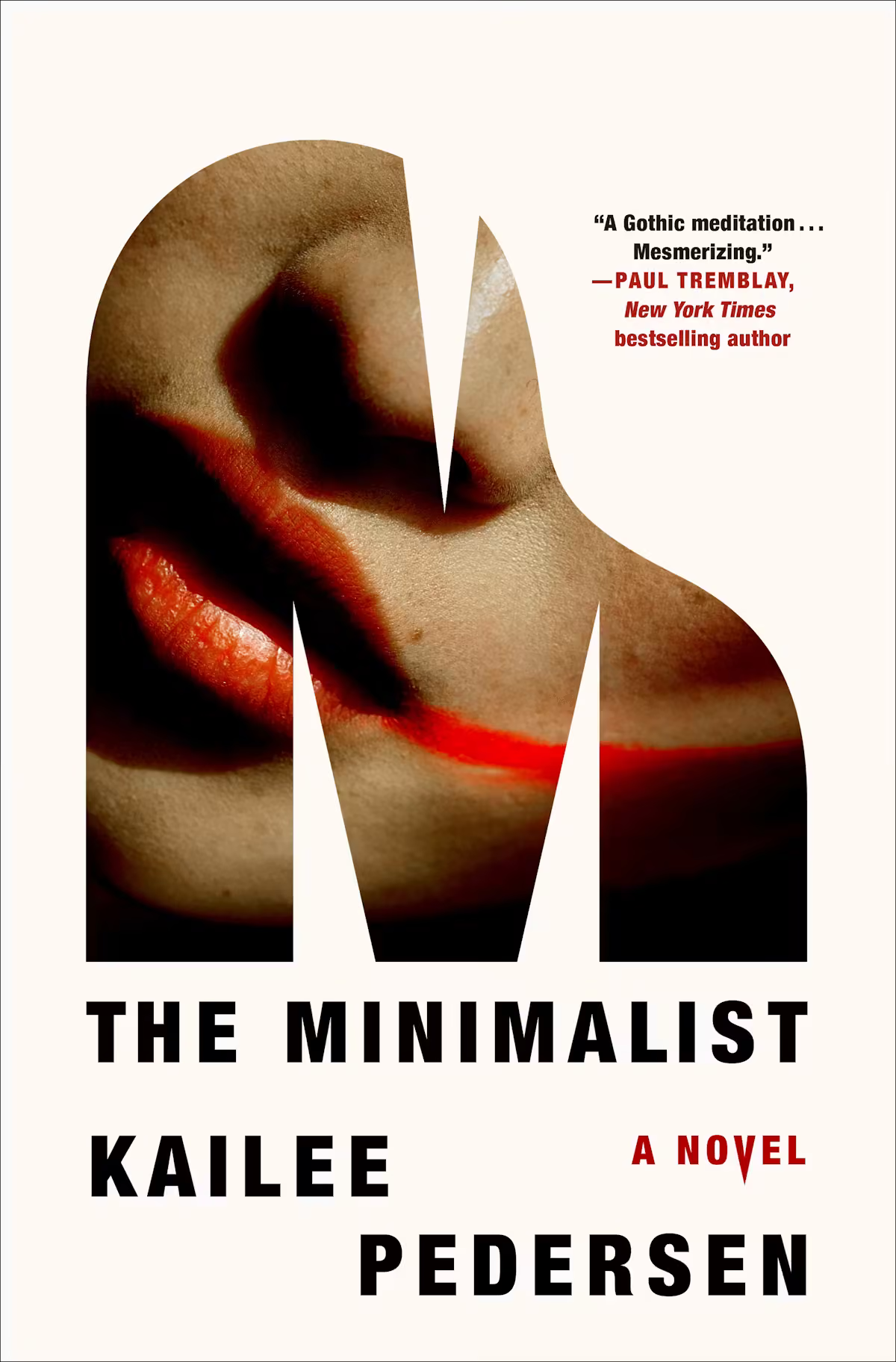
The Minimalist

Let’s cut through the noise for a second. Look around the bookstore shelves. What do you see? The same tired formulas. The same sanitized thrillers that promise psychological depth but deliver nothing more than a predictable twist you saw coming fifty pages ago.
Every once in a while, a book arrives that doesn’t just ask for your attention—it violently demands it. It grabs you by the throat, pulls you into a room filled with shadows, and forces you to look at the terrifying underbelly of human obsession.
That book is The Minimalist. And if you have the stomach for it, it will change the way you look at art, ambition, and the true cost of genius forever.
Let me introduce you to Mia Voss.
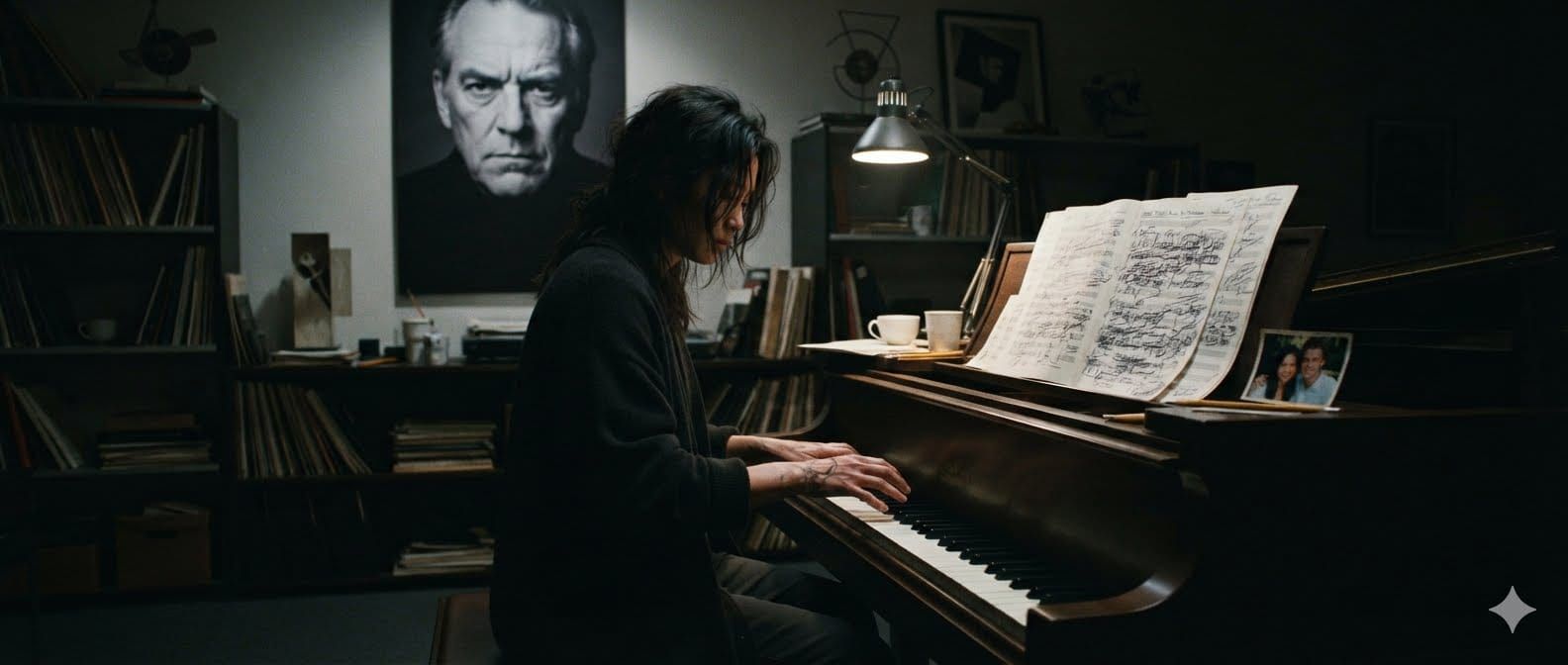
Mia is someone you think you know, but you don't. She is the last and undisputed greatest student of Ryder Wakefield. If you know anything about the insular, cutthroat, hyper-elite world of twentieth-century classical music, you know Wakefield is a god. He is the towering titan of minimalist composition. To be his chosen protégé isn't just an honor; it is an absolute guarantee of a rise to prominence. Mia’s path to the top has been meticulously laid out. Her future is bright, clean, and assured.
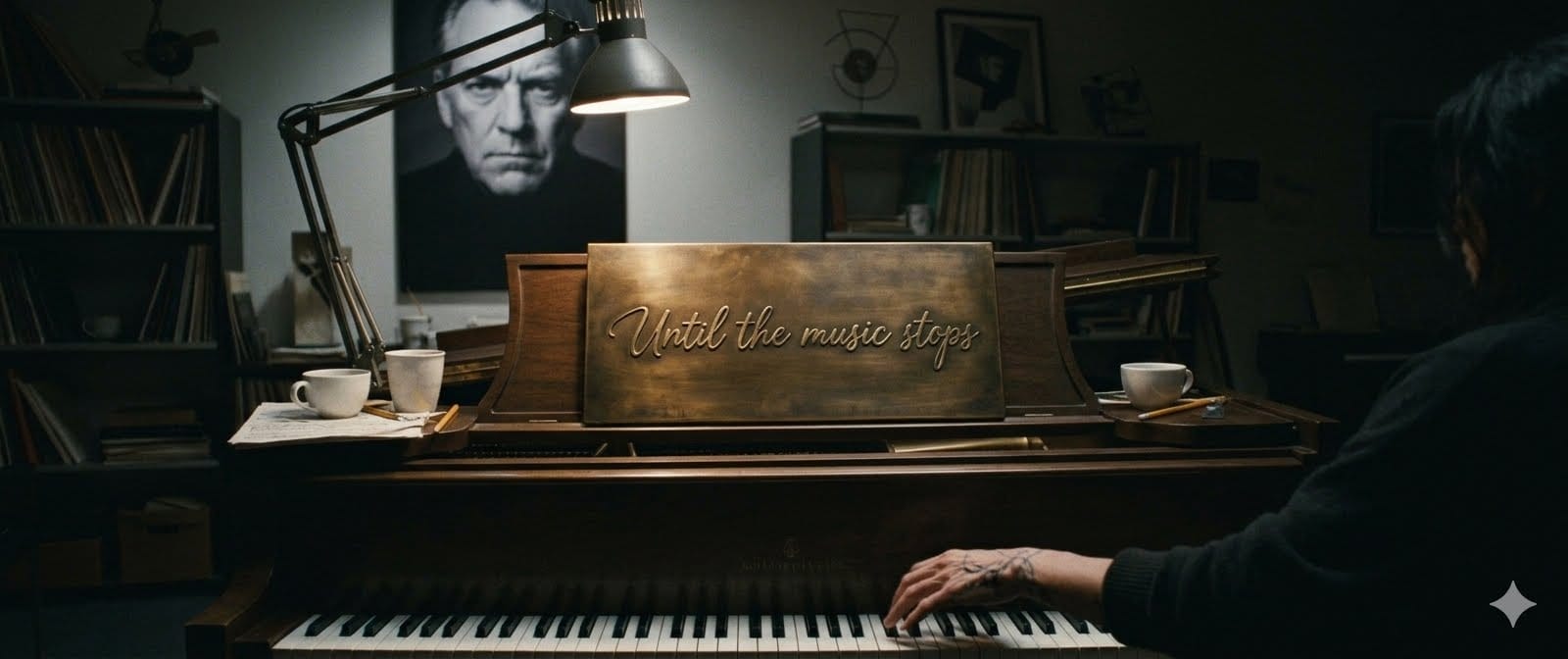
Until the music stops.
When Ryder dies unexpectedly, the music world is shattered. But for Mia, the shockwave is intensely personal. She doesn't just inherit his legacy; she inherits everything. His estate. His secrets. And, most terrifyingly of all, the unfinished manuscript of his final composition.
It bears a chilling title: Death Fugue: Music for Orchestra.
Now, ask yourself a question. What would you do if you were handed the final, unplayed masterpiece of history's greatest composer? You’d want to finish it, right? You’d see it as your golden ticket, your duty, your crowning achievement.
But inheritance is never just about material wealth. It is about debt. It is about ghosts.
To untangle the knot of Death Fugue, Mia has to step directly back into a past she has spent years trying to outrun. She leaves her girlfriend behind, packing up her life to return to Ryder’s isolated, echoing home. This isn’t a peaceful retreat to compose a beautiful tribute. It is a descent into a psychological slaughterhouse.
Because Ryder’s house is crowded with ghosts. Chief among them is Oliver—Ryder’s late son.
Oliver was Mia’s great, tragic romance. Like Mia, he was an Asian American adoptee navigating a white-dominated, high-society classical music world that viewed them as anomalies to be sculpted. Oliver’s life ended in the most devastating way possible: suicide. Mia has carried the crushing, suffocating weight of lingering guilt over his death for years. Returning to the house means walking through the rooms where they loved, where they suffered, and where Oliver broke.
And then there is Ryder himself.
As Mia digs into the composition, she begins to unearth the profound structural lies that built the man everyone worshiped. Ryder Wakefield wasn't just a musical genius; he was a master of disguise. To become one of the most celebrated American composers of the twentieth century, he completely hid his true self. He buried his Jewish heritage. He closeted his gay identity. He fractured his soul into neat, sterile, minimalist notes so the world would accept him.
Think about the psychological toll of that kind of erasure. Think about the rage and sorrow vibrating beneath the surface of his pristine compositions.
That is what is waiting inside Death Fugue. It isn’t just music. It’s a confession. It's a curse.
As Mia attempts to reconstruct the missing movements, the manuscript begins to shift. It ceases to be passive ink on paper. It begins to exert an incredibly disturbing, mesmerizing hold over her mind. The boundaries between her own ambition and Ryder’s haunting memory begin to dissolve. The music creeps into her head, rewriting her reality, demanding total submission.
This is where The Minimalist transitions from a prestige drama into a raw, harrowing psychological horror. It tackles things that most mainstream fiction is too polite to touch. We are talking about deep-seated torment. Mental illness. Self-harm. The literal, agonizing disintegration of an artist's mind.
The author doesn’t pull these details out of thin air to shock you. This isn’t cheap sensationalism. The narrative is drawn entirely from the author's own lived experiences as both an adoptee and a classical musician. That raw authenticity is what makes the prose bleed. You can feel the real-world weight behind every panic attack, every moment of self-loathing, and every obsessive, finger-bleeding hour Mia spends at the piano.
Most books are written to comfort you. They want to reassure you that the world makes sense. The Minimalist does the exact opposite. It tears off the polite mask of high art to reveal the madness underneath. It forces you to look at the terrifying connection between creation and self-destruction. How far would you go to achieve greatness? Would you sacrifice your relationships? Your sanity? Your life?
This book is a masterclass in tension. It builds slowly, note by agonizing note, looping and repeating its themes like a true minimalist symphony, until the cumulative pressure becomes almost unbearable. You will find yourself reading faster and faster, your chest tightening, desperate to know if Mia will finish the masterpiece—or if the masterpiece will finish her.
If you are looking for a light, cozy beach read, put this down immediately. Move along. This is not for you.
But if you are a reader who craves stories with real teeth—stories that challenge your intellect while simultaneously shattering your emotions—then you need to open this book. You need to experience the haunting, discordant beauty of The Minimalist.
Turn the page. Listen to the music. Just don't say I didn't warn you.